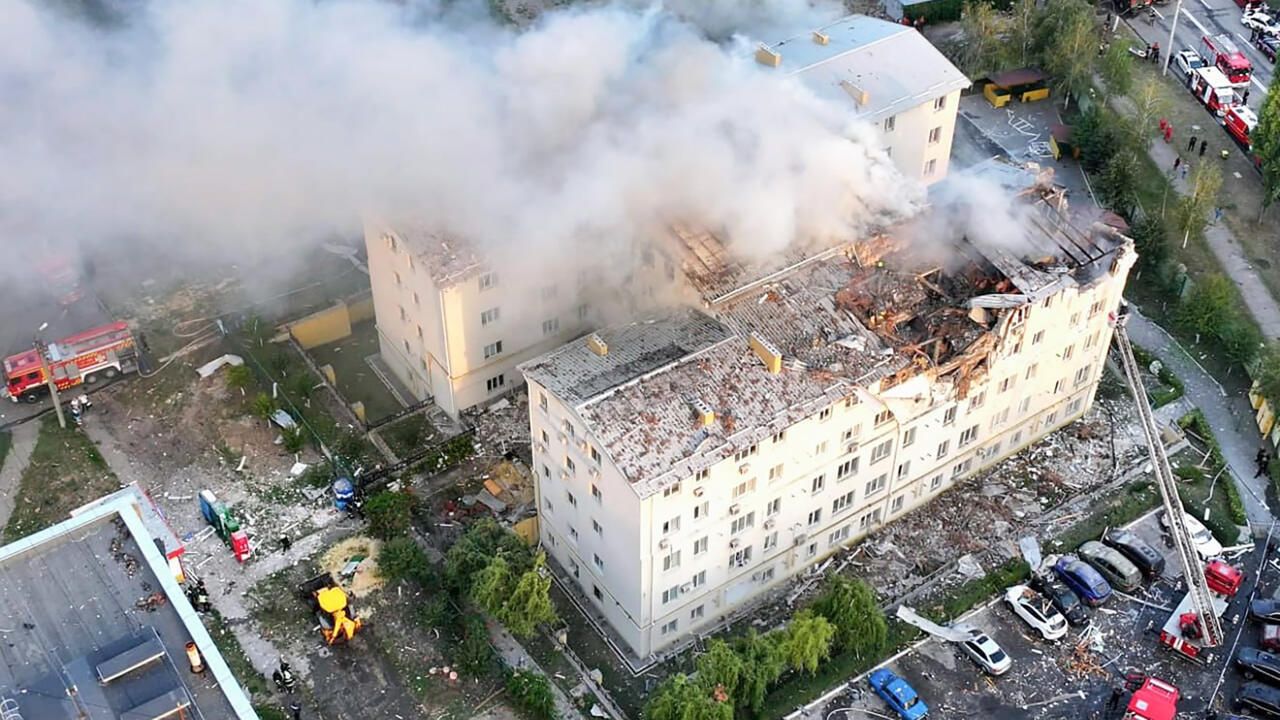
Russia has reported one of the largest Ukrainian drone attacks in recent months, claiming its air-defence systems intercepted and destroyed 502 drones overnight across several regions.
At the same time, Russian forces launched a strike on a fuel depot at the port of Odesa in southern Ukraine, with Moscow alleging that the facility was being used to supply fuel to Ukrainian military units. The claim has not been independently verified.
Russia’s Defence Ministry said the drones were intercepted over multiple areas, but did not immediately provide a complete breakdown of where all the aircraft were brought down or give details of the overall damage resulting from the reported attack.
The ministry also did not provide details on the extent of damage at the Odesa fuel facility or report casualties from the strike.
Major Escalation in Drone Warfare
The reported barrage highlights the growing scale of long-range drone warfare between Russia and Ukraine, with both sides increasingly targeting infrastructure far from the front lines.
Ukrainian forces have stepped up attacks against Russian energy and military-related facilities, while Russia continues to launch regular drone and missile strikes against targets across Ukraine.
The latest exchange comes amid a particularly intense period of attacks on energy and logistical infrastructure. Recent strikes have affected facilities linked to fuel production, storage and transportation in both countries. Reuters also reported that a Russian oil refinery in the Orenburg region halted processing after a drone attack on August 11.
Odesa Port Comes Under Pressure
The reported strike on the Odesa fuel depot adds to continuing Russian attacks on infrastructure around the strategically important Black Sea port.
Russia has repeatedly targeted Odesa and surrounding infrastructure during the war, while Ukraine has sought to disrupt Russian military logistics and energy networks through long-range drone operations.
The strategic importance of such facilities extends beyond their immediate military use, as fuel depots, ports, refineries and transportation networks form a critical part of the logistical infrastructure sustaining wartime operations.
Claims Yet to Be Independently Verified
The latest figures and details released by Moscow remain claims from a party to the conflict and could not immediately be independently verified.
Ukrainian authorities had not, at the time of reporting, publicly confirmed Russia’s account of the 502-drone attack or provided a detailed response to the reported strike on the Odesa fuel depot.
The competing claims underscore the difficulty of independently establishing the full scale and impact of battlefield strikes during the ongoing war.
With both sides continuing to deploy increasingly sophisticated long-range drones, the latest attacks demonstrate how the conflict is extending well beyond the immediate battlefront, with military, energy and logistical infrastructure remaining key targets in the continuing war.