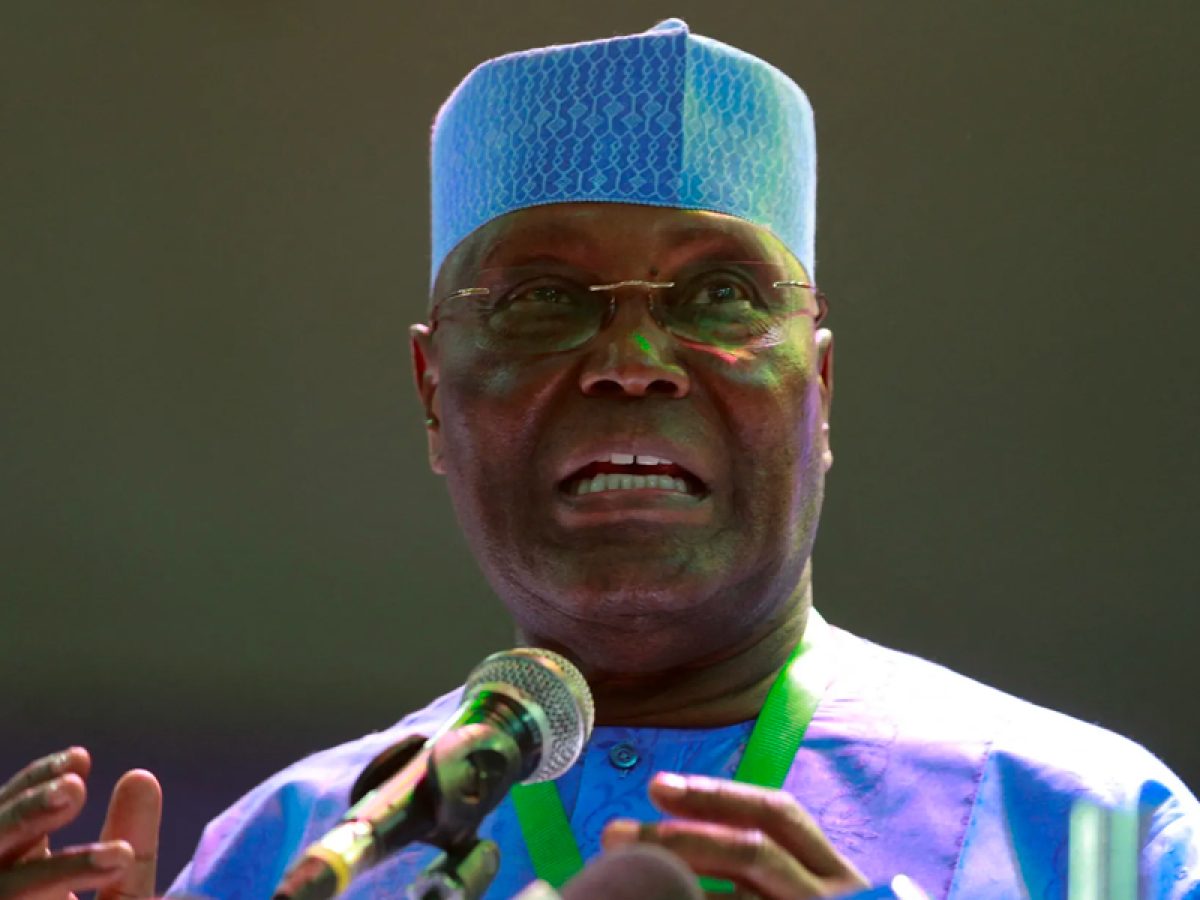
Former Vice-President and African Democratic Congress (ADC) presidential candidate, Atiku Abubakar, has raised concerns over the reported use of an outdated operating system on the Bimodal Voter Accreditation System (BVAS) ahead of Saturday’s Osun State governorship election.
Atiku’s concerns come amid renewed scrutiny of the reliability of the electoral technology following reported challenges during INEC’s mock accreditation exercise in the state on August 1.
The Independent National Electoral Commission (INEC) had organised the exercise across selected polling units in Osun’s three senatorial districts to assess its preparedness and test the functionality of BVAS ahead of the August 15 election.
The issue gained further attention after INEC’s Director of Information and Communication Technology, Lawrence Bayode, disclosed that BVAS devices have been operating on Android 10 since the technology was introduced.
Atiku, in a statement issued by his media office, argued that Android 10 had reached the end of its standard support lifecycle and questioned the continued use of the operating system for critical electoral infrastructure.
Atiku Warns of Cybersecurity Risks
The former vice-president said running election technology on an outdated operating system could expose the system to cybersecurity and operational vulnerabilities.
He questioned why INEC had not undertaken a comprehensive upgrade of the BVAS software ahead of the 2027 general election, arguing that the forthcoming off-cycle elections could have provided an opportunity to test an updated system under real electoral conditions.
Atiku also expressed concern over the possibility of vulnerabilities within the devices being exploited to interfere with electoral data, particularly if adequate security safeguards, software updates and independent testing are not in place.
He pointed to potential risks involving the storage and transmission of voter accreditation and polling-unit data, as well as possible weaknesses associated with the biometric components of the system.
However, the specific cyberattack scenarios cited by Atiku remain allegations and potential risks rather than evidence that BVAS devices have actually been compromised in Osun or elsewhere.
Calls for Independent BVAS Audit
Atiku has called for an independent and comprehensive audit of the BVAS hardware and software to establish the security and reliability of the system before it is deployed on a larger scale.
He argued that an election management system handling voter accreditation and election-related data should be subjected to rigorous security testing, code review and hardware assessment.
The ADC presidential candidate also questioned INEC’s preparedness to address the concerns before the 2027 general election, warning that unresolved technological weaknesses could undermine public confidence in the electoral process.
INEC’s Readiness Under Scrutiny
The controversy comes at a critical stage of preparations for the Osun governorship election, with political parties and election observers closely monitoring INEC’s readiness.
The commission had earlier said its August 1 mock accreditation exercise was designed to test BVAS under conditions similar to Election Day and assess its operational efficiency.
Reports of challenges during the exercise have since added to concerns about whether the technology will perform reliably when deployed across polling units on election day.
Atiku’s latest intervention therefore places renewed pressure on INEC to provide clarity on the operating system used by BVAS devices, the security measures protecting the technology and the steps being taken to address any technical shortcomings.
While the commission remains responsible for determining the technology and systems to be deployed for the election, the concerns raised by Atiku are likely to remain part of the wider debate over the credibility, security and transparency of Nigeria’s electronic election infrastructure.
With the Osun election only days away, stakeholders will be watching closely to see whether BVAS performs as expected and whether INEC can reassure voters, political parties and observers that the technology is secure, reliable and fit for purpose.