UN Condemns Nicaragua’s Move To End Elections, Restrict Opposition
Nicaragua’s political future has come under fresh scrutiny after the United Nations warned that the government’s decision to end elections could further weaken democratic freedoms and intensify a crackdown on opposition voices. UN High Commissioner for Human Rights, Volker Turk, condemned what he described as a continued decline in civil and political rights in the …
Nicaragua’s political future has come under fresh scrutiny after the United Nations warned that the government’s decision to end elections could further weaken democratic freedoms and intensify a crackdown on opposition voices.
UN High Commissioner for Human Rights, Volker Turk, condemned what he described as a continued decline in civil and political rights in the Central American nation.
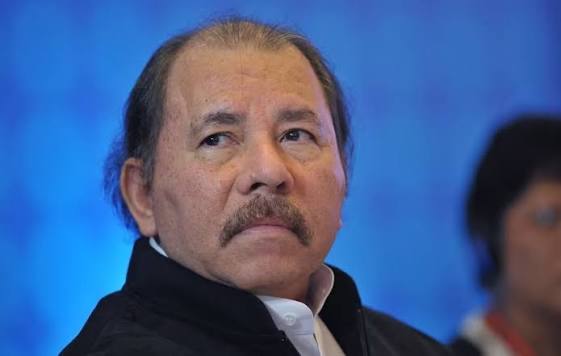
The warning followed President Daniel Ortega’s announcement that Nicaragua would no longer hold elections, effectively removing the possibility of an electoral challenge when his term expires next year and further strengthening the power structure he shares with his wife, Rosario Murillo.
Turk said citizens of all political backgrounds must be allowed to vote and contest for office, stressing that Nicaragua must meet its international human rights obligations.
He also criticised the recent withdrawal of credentials from several lawyers, saying the move lacked legal justification or official explanation.
According to the UN rights chief, civic space in Nicaragua is now “nearly closed”, with independent opinions and expressions facing systematic suppression.
He called for the release of at least 46 people he said remain arbitrarily detained for political reasons.