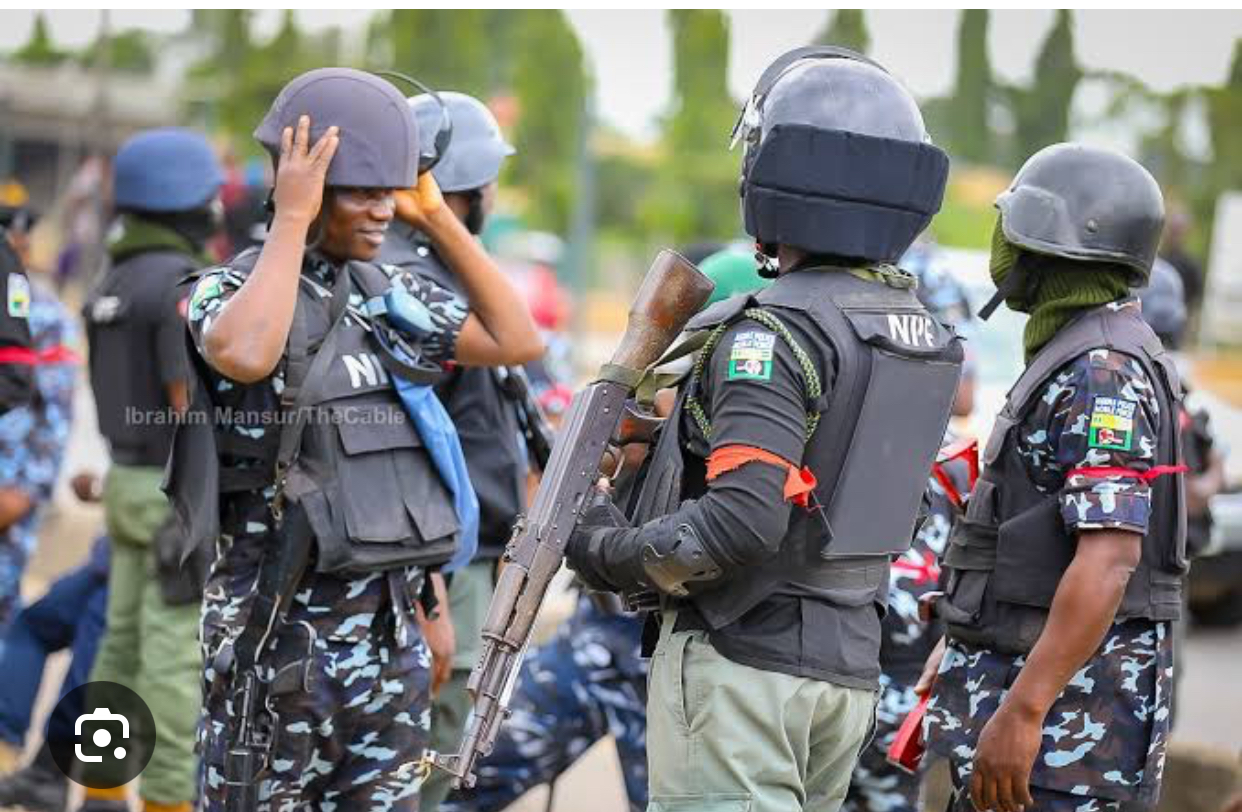
A new plan to modernise policing in Nigeria has been unveiled by the Federal Government, focusing on artificial intelligence and nationwide fibre connectivity for police stations.
The initiative followed the signing of a Memorandum of Understanding between the Ministry of Communications, Innovation and Digital Economy and the Nigeria Police Trust Fund in Abuja.
Minister of Communications, Innovation and Digital Economy, Bosun Tijani, said the project will integrate police stations into the national fibre backbone while deploying digital tools to improve efficiency and security operations.
He explained that the first phase involves mapping all police stations to assess their proximity to existing fibre infrastructure and identify connectivity gaps.
According to him, the exercise will help optimise existing investments and guide future expansion of the national broadband network, which spans about 90,000 kilometres and targets coverage across over 7,000 wards.
Tijani also disclosed that, with support from the European Commission, a national data exchange platform is being developed to enable secure information sharing among government agencies, with the police as a key beneficiary.
He added that artificial intelligence will be deployed in areas such as incident reporting, data analysis, and digital evidence management, including real-time transcription of statements to improve accuracy and transparency.
According to him, “The bad actors are already using technology, including AI. Our security agencies must also be equipped to use these tools effectively”.
Also speaking, Executive Secretary of the Nigeria Police Trust Fund, Mohammed Sheidu, described the partnership as a major step toward building a digitally enabled and modern police force.
He said the initiative will support the rollout of smart police stations and improve operational efficiency across the country.
The project is anchored on the National Anchor Institutions Connectivity Programme and aligns with ongoing digital infrastructure efforts under Project BRIDGE.
It will also include the development of a geospatial database of police stations, last-mile connectivity solutions, and integration with a national data exchange system for inter-agency collaboration.
Authorities further plan to deploy AI-powered policing tools, train personnel on digital skills, and implement a phased rollout strategy.