Fresh disclosures from FAAC documents reveal sharp rise in oil revenue remittances as the Federal Government moves to tighten transparency and block leakages in the petroleum sector…..
The Nigerian National Petroleum Company Limited and the Nigerian Upstream Petroleum Regulatory Commission jointly remitted more than N322bn and $116.9m into the Federation Account within two months following the implementation of Executive Order 9 signed by President Bola Tinubu earlier this year.
Details contained in documents presented at recent Federation Account Allocation Committee meetings showed that the inflows were triggered by the Federal Government’s directive compelling oil and gas agencies to fully remit revenues directly into the Federation Account.
The order, introduced in February 2026, is part of broader efforts by the Tinubu administration to strengthen transparency, eliminate revenue leakages and improve government earnings amid growing fiscal pressures and rising expenditure demands.
According to findings from the FAAC presentations, the NNPC remitted a total of $29.28m and N42.64bn from March 2026 crude oil and gas receipts shared in April.
The national oil company stated that the transfer represented “100 per cent of total crude oil and gas receipts” in compliance with Executive Order 9.
The remittances were generated from multiple revenue streams, including crude oil exports, Production Sharing Contract profits, domestic crude sales to the Dangote Petroleum Refinery, gas earnings and other miscellaneous oil receipts.
A breakdown of the figures showed that crude oil export earnings accounted for $25.7m, while PSC profits contributed $3.52m. On the naira side, crude oil export proceeds stood at N37.67bn, while miscellaneous crude revenue contributed N42.64bn. Gas earnings added another N34.47m.
The documents further indicated that PSC profit inflows were distributed between the Federation Sub-Account and the Federation Account according to the statutory sharing formula.
Under the arrangement, 60 per cent of PSC profits amounting to $11.71m and N826.74m was allocated to the Federation Sub-Account, while the remaining 40 per cent valued at $17.57m and N1.24bn was paid into the Federation Account.
In a separate disclosure, the NNPC revealed that for February 2026 receipts shared in March, it remitted a significantly higher sum of $87.63m and N121.34bn into the Federation Account.
The company attributed the stronger figures to improved crude oil and gas revenue performance during the period.
Combined, the February and March remittances pushed total inflows from the NNPC alone to over $116.9m and N163.98bn within two months.
The FAAC documents also showed that the Nigerian Upstream Petroleum Regulatory Commission separately remitted N34.2bn in March 2026 from royalties, gas flare penalties, concession rentals and miscellaneous oil revenue collections.
According to the commission, the remittances were made in line with its statutory responsibility to transfer all collectable upstream petroleum revenues into the Federation Account.
A detailed breakdown showed that oil and gas royalties generated N18.69bn, while gas flare penalties contributed N10.2bn. Miscellaneous oil revenue, including licences and permits, accounted for N4.95bn, while concession rentals added N364.06m.
However, the March collections reflected a steep decline compared to the N124.4bn generated in February 2026.
The sharp drop was largely linked to lower royalty collections, which fell from N104.31bn in February to N18.69bn in March, a decline of more than N85bn within one month.
Gas flare penalties also dropped by nearly N4bn during the same period.
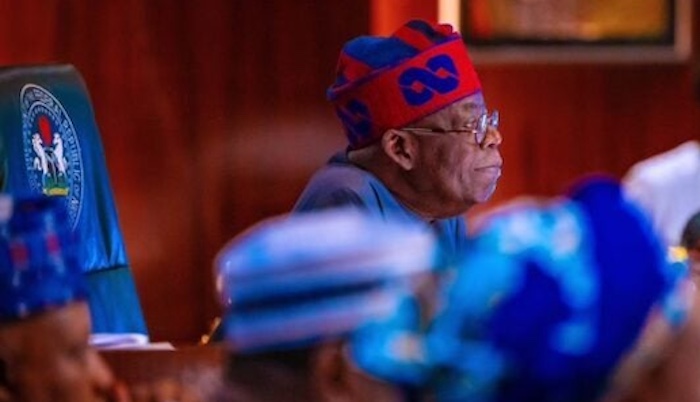
President Tinubu had defended Executive Order 9 as a necessary intervention to protect national revenue and improve accountability within Nigeria’s oil and gas sector.
Announcing the directive earlier this year, the President said excessive deductions, overlapping charges and multiple retention mechanisms had weakened remittances meant for federal, state and local governments.
“For too long, excessive deductions, overlapping funds and structural distortions in the oil and gas sector have weakened remittances to the Federation Account,” Tinubu said in a statement posted on his verified X account.
The implementation of the order is expected to increase monthly FAAC allocations to the three tiers of government at a time many states are battling rising debt burdens, wage pressures and widening infrastructure funding gaps.
The World Bank has also backed the policy, calling for stricter enforcement of Executive Order 9 and urging the Federal Government to eliminate deductions at source while transitioning Ministries, Departments and Agencies to transparent budgetary funding.
In its latest Nigeria Development Update report, the global lender noted that the order had already improved revenue transparency but warned that sustained gains would depend on consistent enforcement across government institutions.
Analysts say the latest remittance figures could signal a major shift in how Nigeria manages petroleum revenue if the government maintains tighter oversight and closes long-standing loopholes in the sector.