French president calls for stronger Africa-Europe partnerships in technology, energy and infrastructure as leaders seek greater economic independence from global powers.
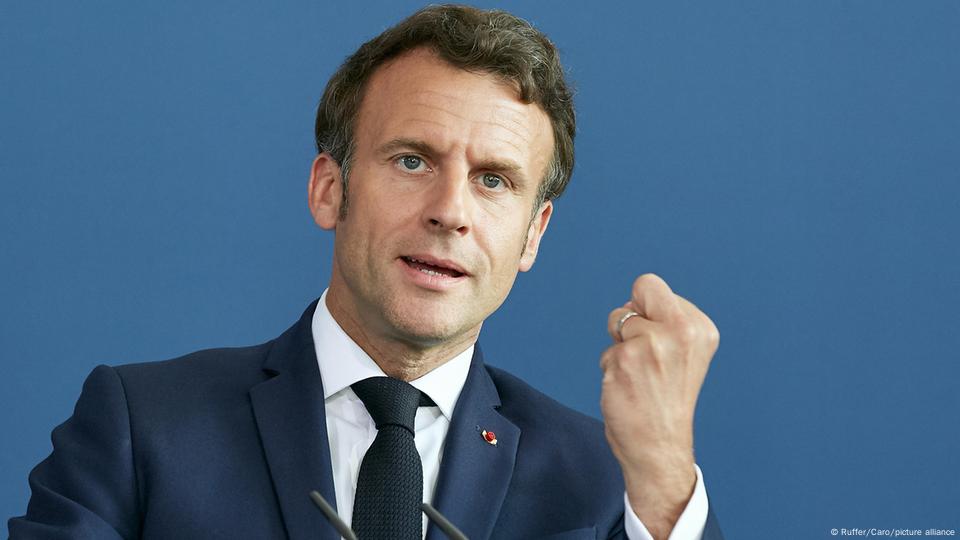
French President Emmanuel Macron has described Africa as the world’s youngest and fastest-growing continent, calling for increased investments to unlock its economic potential and strengthen its global influence.
Speaking at the Africa Forward Summit in Nairobi, Kenya, Macron said Africa’s future would play a defining role in shaping global growth, innovation and economic transformation in the coming decades.
The summit, jointly organised by France and Kenya, brought together more than 2,000 African and European business leaders, policymakers and investors to explore new opportunities for economic cooperation and private sector partnerships.
Addressing participants at the event, Macron said the discussions began with conversations involving young Africans who shared their ambitions, innovations and expectations for the future.
According to him, Africa’s youthful population represents one of the continent’s greatest strengths, and France is prepared to support investments that create opportunities for the next generation while deepening ties between both regions.
Macron stressed that Africa and Europe face many of the same global challenges, particularly in areas such as technology, artificial intelligence, digital payments, creative industries and economic competitiveness.
He warned that both continents remain heavily dependent on larger global powers like the United States and China for technological solutions and innovation.
“There is a divide between entrepreneurs and consumers, and most solutions today are designed in America or China,” Macron said.
“When we speak about artificial intelligence, many of us are simply consumers. Africa and Europe must work together to build stronger strategic autonomy.”
The French leader argued that closer collaboration between Africa and Europe would help both regions reduce dependence on foreign technologies while creating stronger local innovation ecosystems.
He also highlighted infrastructure and energy investment as critical pillars for Africa’s long-term development.
According to Macron, sustainable growth across the continent will require major investments in transportation networks, electricity generation and industrial infrastructure.
“If we want to build infrastructure, we must invest together,” he said.
“No infrastructure can function without energy. We need renewable and nuclear energy projects to expand electrification for homes, businesses and industries across Africa.”
Macron added that strengthening infrastructure is directly linked to economic sovereignty, arguing that countries with stronger domestic systems are less vulnerable to external economic pressures.
The French president also raised concerns over talent migration, saying Africa and Europe must create better opportunities to retain highly skilled young professionals.
Drawing comparisons with Europe’s growing artificial intelligence industry, Macron noted that many French tech professionals who previously relocated to Silicon Valley are now returning as Europe expands its AI capabilities.
“The challenge is the same in Africa,” he said.
“We must train more people, strengthen education systems and create opportunities that encourage young talents to stay and contribute to their own economies.”
As part of France’s growing digital investment strategy in Africa, Macron announced that Orange, the French telecommunications giant, plans to establish 50 digital centres aimed at training one million young Africans by 2030.
He also referenced the Digital Africa initiative, which seeks to connect technology ecosystems across the continent and support youth-led innovation and entrepreneurship.
The summit featured extensive discussions around youth empowerment, employment creation and investment opportunities across sectors including technology, sports, culture and the creative economy.
Meanwhile, Proparco the private sector financing arm of the French Development Agency reaffirmed its commitment to supporting sustainable economic development across Africa.
The agency disclosed that it had committed more than €4.6bn to African projects between 2022 and 2025, averaging over €1.1bn annually.
More than €500m worth of agreements were reportedly signed during the summit, including financing arrangements for sustainable infrastructure projects and agricultural development initiatives.
Among the deals announced was a partnership involving Ecobank Group aimed at strengthening agricultural value chains and expanding support for women entrepreneurs across the continent.
Analysts say the summit reflects growing competition among global powers seeking stronger economic influence in Africa, a region increasingly viewed as one of the world’s most important future markets due to its rising population, expanding urbanisation and untapped economic potential.