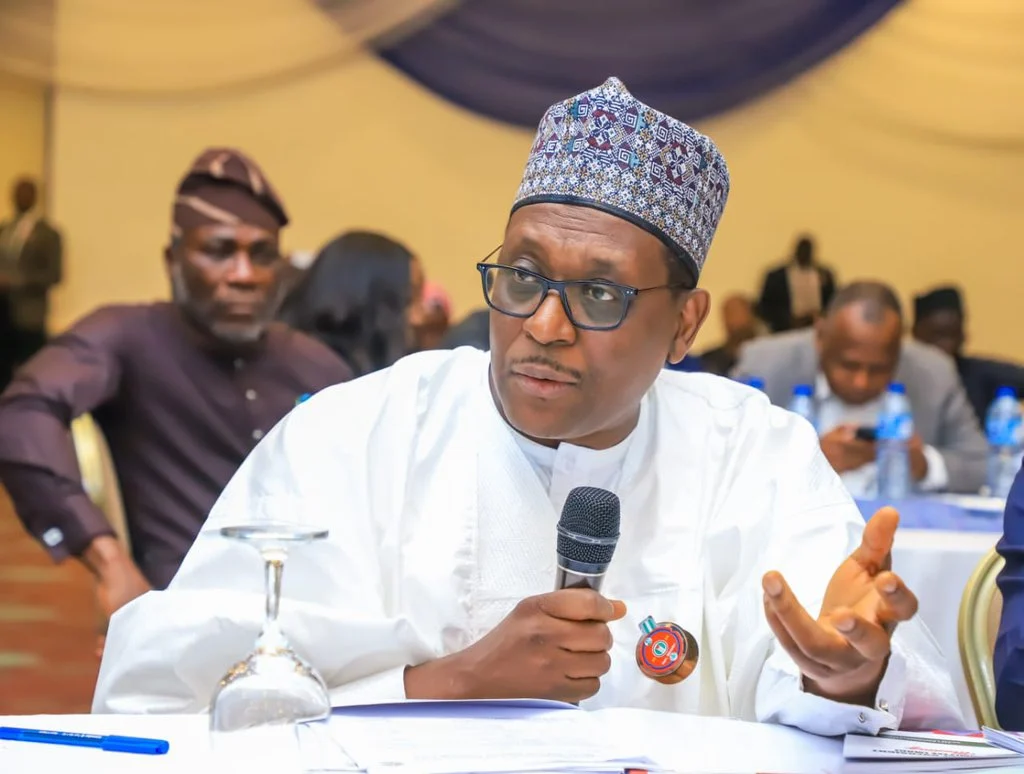
Nigeria’s health sector requires greater funding to improve service delivery, according to the Coordinating Minister of Health and Social Welfare, Ali Pate.
Pate made the call on Friday in Abuja at the 25th West African Health Sector Unions Network (WAHSUN) Plenary Session organised by the Medical and Health Workers Union of Nigeria (MHWUN), with the theme focused on strengthening healthcare delivery systems in West Africa.
He stressed that improved funding was essential to strengthening health systems and achieving better health outcomes across the sub-region, noting that West African countries remain closely linked in public health challenges.
“Health is one thing that affects everyone. We are all interconnected. What happens in Ghana can affect Nigeria, and what happens in Nigeria can also affect other countries”, he said.
The minister also emphasised the need for regional cooperation in health planning and financing, adding that Africa must take ownership of its health agenda through initiatives such as the Accra Reset, which aims to align health priorities with local realities.
According to him, Nigeria has recorded renewed commitment to health financing under the current administration, with budgetary allocation to the sector rising to six per cent this year.
“This year it’s six per cent. That is the highest it has been in more than 15 to 20 years”, he said.
Pate said increased allocation must be matched with effective implementation, timely release of funds and improved service delivery across all levels of government.
He explained that health financing in Nigeria involves federal, state and local governments, noting that several states have also increased their budgetary commitments to the sector.
The minister said ongoing reforms have expanded access to healthcare services, with the number of facilities growing from about 8,000 to 13,000 nationwide.
He added that thousands of frontline health workers are also being trained to strengthen primary healthcare delivery.
On workforce issues, Pate described health workers as central to the system, assuring that government remains committed to addressing their concerns through sustained engagement with unions.
He said efforts are ongoing under the collective bargaining framework to achieve fair and lasting resolutions to longstanding issues.