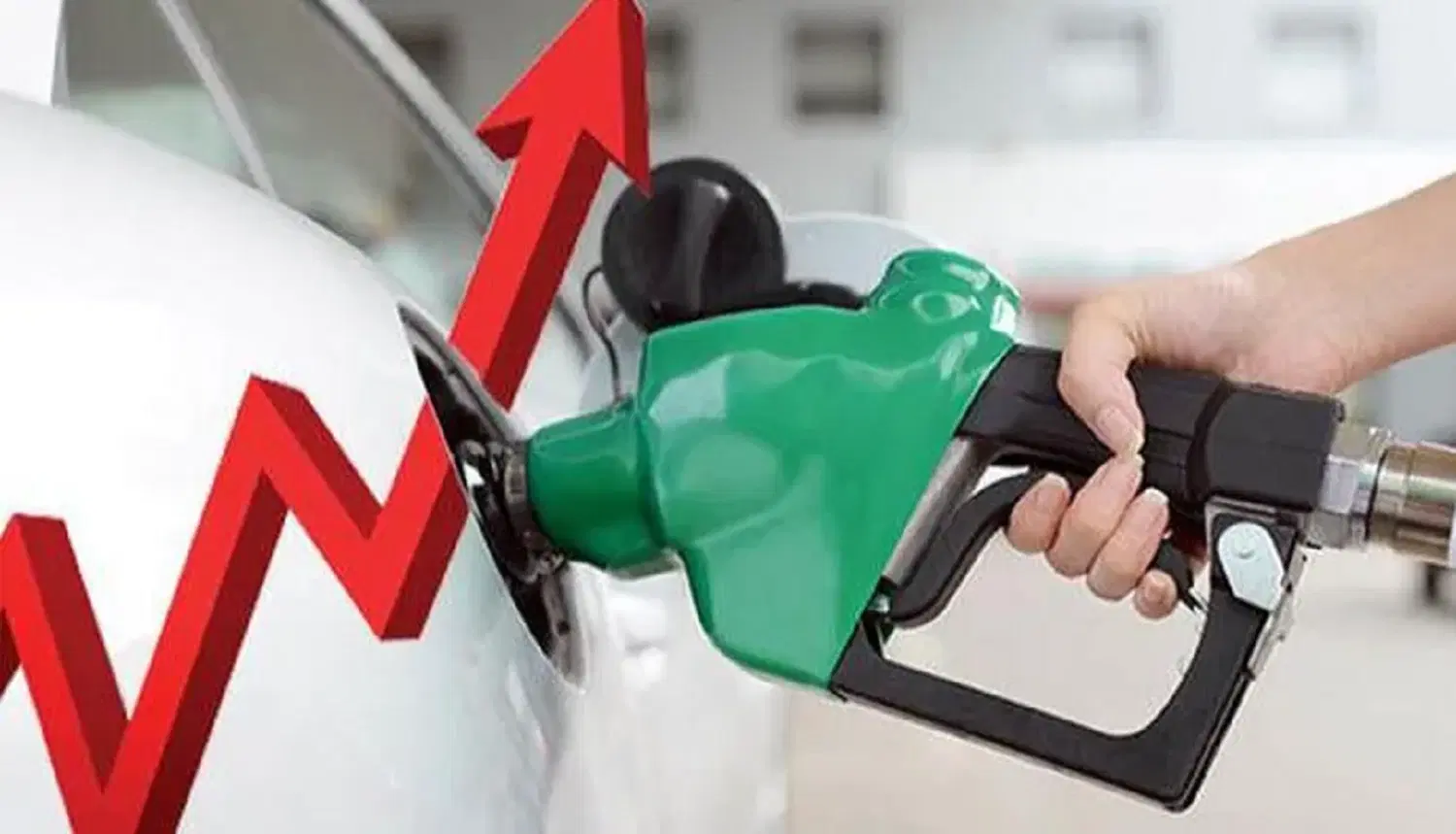
Middle East supply disruptions and rising landing costs push petrol, diesel higher despite tax relief measures……
Kenya has increased fuel prices by about 16% following a sharp rise in global crude oil costs and ongoing supply disruptions linked to tensions in the Middle East, putting fresh pressure on households and businesses in the import-dependent economy.
The adjustment was announced by the Energy and Petroleum Regulatory Authority (EPRA), which confirmed new maximum retail prices effective from April 15, 2026, to May 14, 2026.
The country, which relies almost entirely on imported refined petroleum products through government-to-government supply arrangements with Gulf-based suppliers such as Saudi Aramco Trading and the Emirates National Oil Company, has been significantly affected by disruptions in global crude production and shipping routes.
These disruptions have driven up the landed cost of fuel, forcing a steep upward adjustment in pump prices across the country.
Under the new pricing structure, petrol and diesel recorded significant increases, while kerosene remained unchanged. EPRA said petrol rose by KSh 28.69 per litre and diesel by KSh 40.30 per litre during the review period.
Despite the surge in global prices, the regulator noted that the government had partially cushioned consumers by adjusting tax policy. The Value Added Tax on petrol, diesel, and kerosene was reduced from 16% to 13% in an effort to soften the impact of rising import costs.
According to EPRA, the spike in local prices reflects a sharp increase in global landed costs between February and March 2026. Petrol import costs rose by more than 41%, diesel by nearly 69%, while kerosene recorded an increase of over 105%, highlighting the intensity of the global supply shock.
The regulator also linked the price movement to broader macroeconomic conditions, including a slight rise in inflation. Data from the Kenya National Bureau of Statistics showed inflation edging up to 4.4% in March 2026 from 4.3% in February, although still within the country’s target range.
Kenya’s heavy reliance on imported fuel leaves it highly exposed to fluctuations in global oil markets, particularly during periods of geopolitical tension affecting key supply routes.
Similar pressures are being felt across other import-dependent economies, including Nigeria, where fuel prices have also climbed sharply following global energy disruptions. In Nigeria, petrol prices have risen from about N799 per litre before the current crisis to around N1,200, with analysts warning that further increases could follow if global conditions worsen.
However, Nigerian authorities have ruled out a return to fuel subsidies, arguing that the fiscal cost would be unsustainable. Officials estimate that maintaining the subsidy regime could have cost the country up to N52 trillion, representing a significant share of the 2026 budget.
The latest developments in Kenya underscore a broader global trend: as geopolitical tensions continue to disrupt energy supply chains, oil-importing economies are increasingly being forced to pass rising costs directly to consumers.