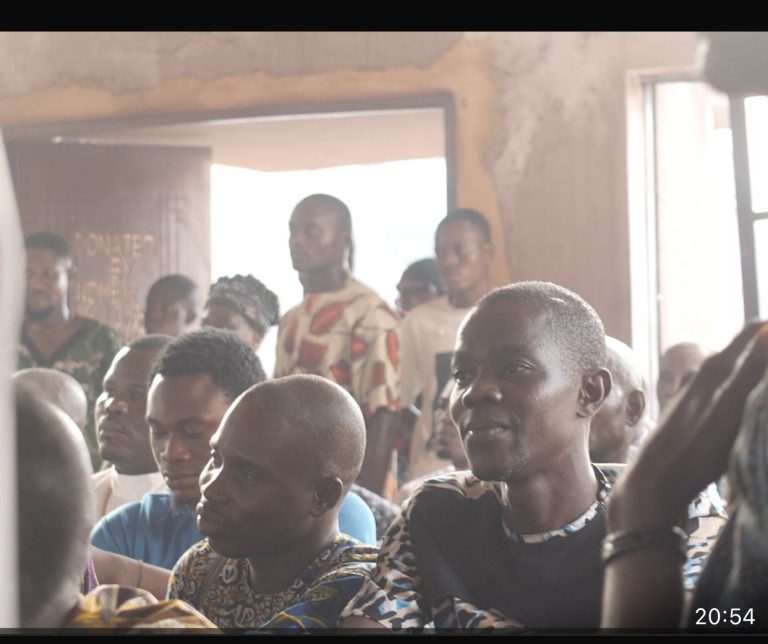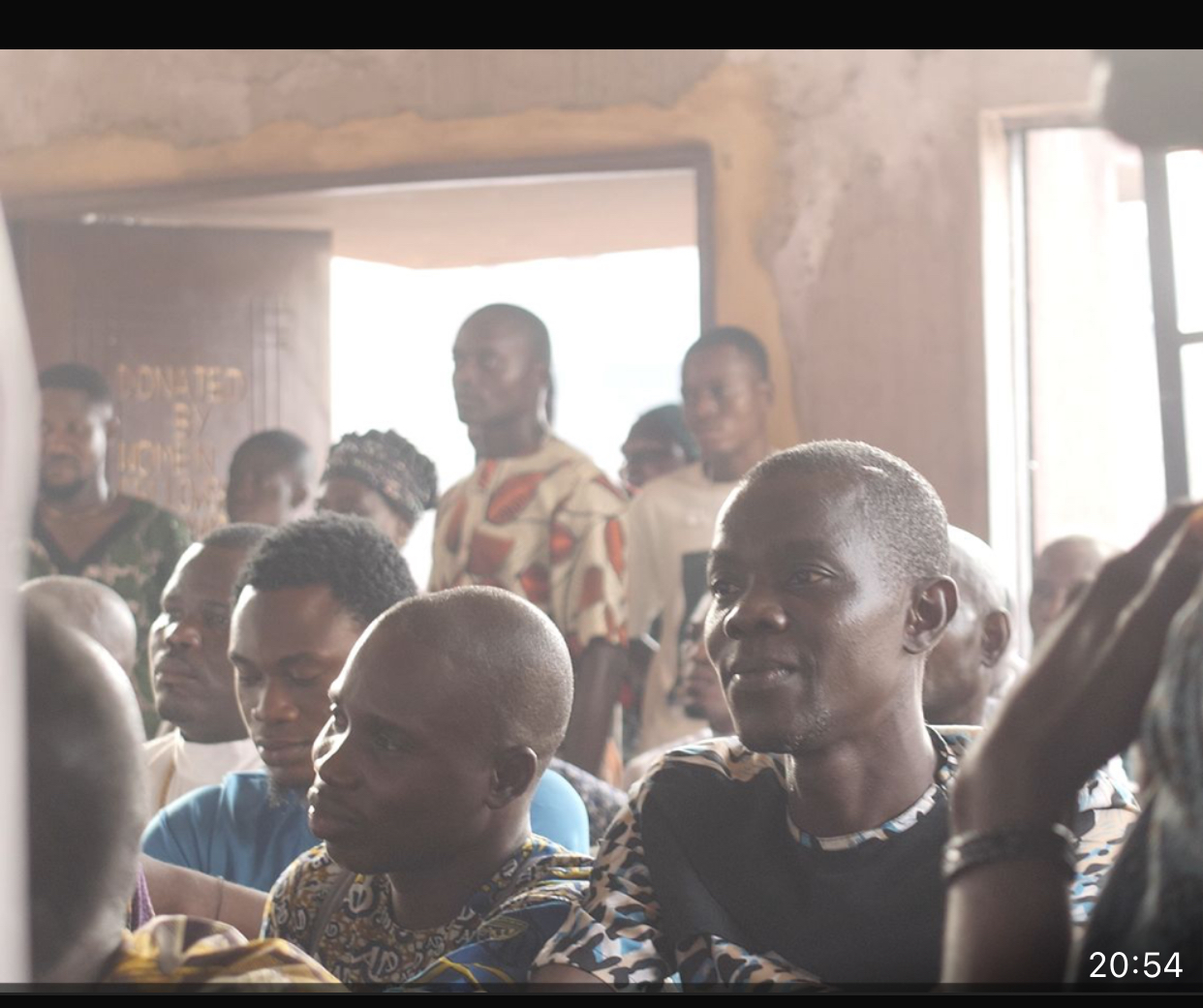
Lagos’ Makoko waterfront community is once again at the centre of a heated debate over land, livelihoods, and survival, following a fresh press statement rejecting proposed relocation plans linked to the ongoing United Nations-supported Water Cities project.
Nearly three months after the controversial demolition of an estimated 30,000 homes and businesses between December 2025 and January 2026, residents say their lives remain in limbo. While the mass eviction was halted following public outcry, protests, and formal petitions to the Lagos State Government and House of Assembly, the community insists that nothing meaningful has been done to support those displaced.
According to community leaders, there has been no emergency shelter, no humanitarian assistance, and no reconstruction of demolished homes, despite earlier engagements with government officials and clear demands presented by residents.

The latest tension stems from a recommendation reportedly made by the Lagos State House of Assembly suggesting that displaced residents be relocated to Agbowa, a distant part of the state. That proposal has been firmly rejected by the Makoko community.
Residents insist that Makoko is their ancestral home, where generations have lived and built their livelihoods for over a century. They argue that relocation would not only disrupt their identity and heritage but also disconnect them from their economic base on the waterfront.

At the heart of the dispute is the Water Cities project, a development initiative that, according to the community, was originally proposed with their involvement as an alternative to demolition. Residents say they initiated engagement that helped attract support from the United Nations for a more sustainable, people-centered redevelopment of the area.
However, they now express concern that the same project could be implemented in a way that excludes them, the very people it was meant to benefit.
The community also raised concerns over individuals claiming to represent Makoko leadership, stating that while some may be linked to traditional structures, they do not speak for the wider population of residents who firmly oppose relocation.
Community leaders are now appealing directly to the President, the Lagos State Governor, elected officials, and the United Nations, calling for urgent intervention. Their demands remain consistent: in-situ relief for displaced persons, rebuilding of homes and schools within Makoko, and full inclusion of residents in any future Water Cities development.
As the debate continues, Makoko once again highlights a broader question facing rapidly urbanizing cities, how to balance development with the rights of long-established communities who fear being erased in the name of progress.
For now, the people of Makoko say they are not resisting development itself, but rather any future that does not include them in their own story.