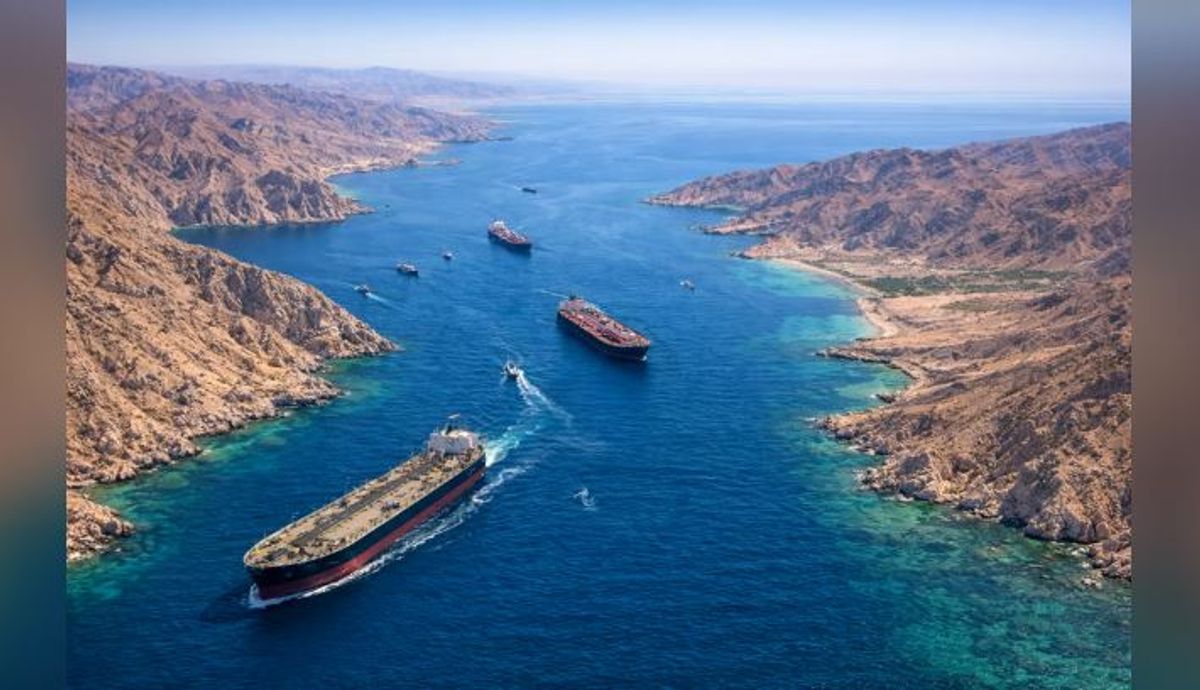
A new disagreement has emerged over the future management of the Strait of Hormuz after Iran rejected a proposal from Oman for joint oversight of the strategic waterway.
Iran’s Deputy Foreign Minister, Kazem Gharibabadi, said Tehran turned down the proposal because it did not give the country sufficient control over the vital shipping route.
Under Oman’s proposal, Iran and Oman would each oversee half of the strait, with vessels entering through Iranian waters and exiting through Omani territory. The plan also included voluntary payments from commercial ships to support the management of the waterway.
The proposal is said to mirror the arrangement used in the Strait of Malacca and has reportedly received support from Gulf Cooperation Council member states, which also discussed regional security at a meeting on Tuesday.
However, Iran has presented its own alternative, seeking greater authority over maritime traffic.
Gharibabadi said Tehran wants one shipping lane to remain entirely within Iranian territorial waters, while part of the second lane would also pass through Iranian territory, allowing Iran to oversee both inbound and outbound vessel movements.
He warned that the Strait of Hormuz would remain closed if Oman rejected Iran’s proposal, adding that the waterway could no longer operate under previous arrangements that allowed ships to pass without paying any form of fee.
The Strait of Hormuz is one of the world’s most important maritime chokepoints, handling a significant share of global oil and gas shipments, making any dispute over its control a matter of international concern.