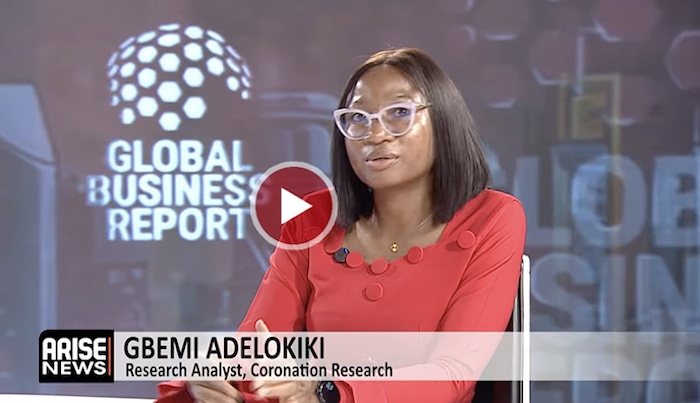

Nigeria’s telecommunications sector remains central to the country’s economic growth and digital development despite mounting operational pressures facing network operators, according to research analyst Gbemi Adelokiki.
Speaking during an interview on ARISE News, Adelokiki described the telecom industry as the foundation upon which several other sectors of the economy depend, stressing that sustained investment in infrastructure is critical for national growth.
“Telecoms is the backbone of every other sector in Nigeria,” she said.
Adelokiki explained that the recent revenue growth recorded by telecom operators such as Airtel Africa was largely expected following the implementation of the 50% tariff adjustment approved in Nigeria.
“We expected that there will be a significant rise in revenue,” she stated.
According to her, growth in customer base, smartphone penetration, and mobile money adoption also contributed significantly to the sector’s improved financial performance.
“There was a significant increase with smartphone penetration,” she said.
She noted that increased data usage among consumers continues to drive telecom earnings despite persistent complaints about service quality.
“Data is a lot more affordable when compared to voice,” he explained.
Adelokiki added that Nigerians increasingly rely on data services not only for communication but also for social interaction, learning, business, and financial transactions.
“You can access social media, you can learn, you can do many other things while using data,” she stated.
Despite the positive revenue outlook, Adelokiki acknowledged that telecom operators continue to face major operational challenges, particularly rising energy costs, vandalism, and infrastructure maintenance expenses.
“The cost pressures have always been around vandalism, energy prices situation,” she said.
She explained that the high cost of diesel and infrastructure leasing continues to place pressure on telecom companies’ profitability and operational efficiency.
“EBITDA is expected to be pressured… because of what is still going on with energy prices,” she stated.
According to Adelokiki, years of stagnant tariffs before the recent adjustment limited the ability of telecom companies to adequately reinvest in infrastructure.
“For about 11 to 12 years, there was no shift with what they could earn,” she noted.
She argued that the recent tariff adjustment has now created room for operators to invest more aggressively in network expansion and infrastructure upgrades.
“They now have more funds that they can spread into CapEx,” she said.
Adelokiki also pointed to planned increases in capital expenditure as evidence that operators are attempting to improve service quality and expand coverage.
“We expect that this will help with the network that people are complaining about,” she said.
She further stressed that protecting telecom infrastructure should not be left to operators alone because disruptions affect the wider economy.
“If they are not growing, it’s going to be a struggle for every other sector to bloom,” she warned.
Adelokiki urged Nigerians to help reduce vandalism and infrastructure damage by reporting suspicious activities around telecom installations.
“If you see any form of vandalism around you, perhaps you should report it,” she said.
According to her, stronger investment and improved protection of telecom infrastructure will ultimately benefit consumers, businesses, and investors alike.
“If more investment goes into that sector, we will definitely enjoy the benefits as a country,” she added.
Adelokiki concluded that while Nigeria’s telecom operators continue to battle rising costs and infrastructure challenges, sustained investment and stronger protection of telecom assets remain essential for improving service delivery and supporting broader economic growth across the country.
By Ojo Triumph