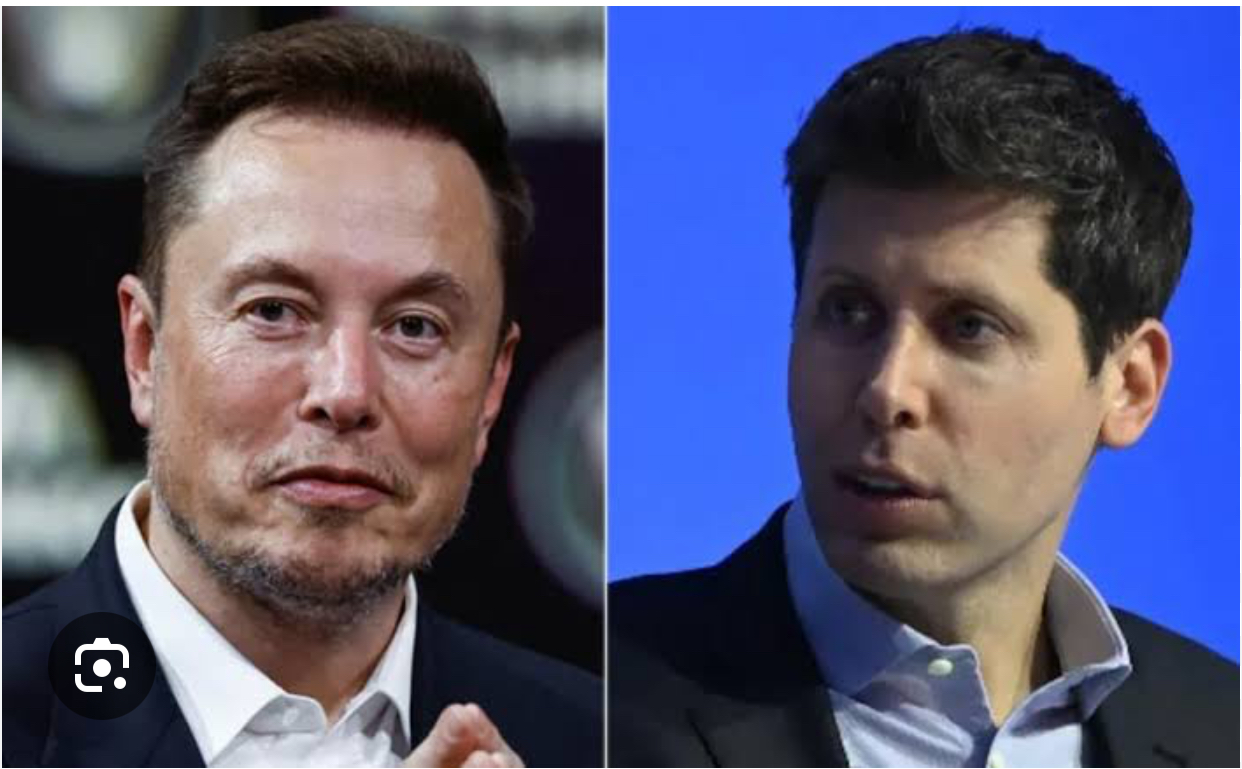
The legal feud between Elon Musk and OpenAI CEO, Sam Altman, has officially gone to trial as jury selection begins in a closely watched Silicon Valley case.
The proceedings, taking place in a courtroom near San Francisco, centre on Musk’s claim that OpenAI abandoned its original non-profit mission to develop artificial intelligence for the benefit of humanity rather than for profit.
The case pits Musk against the company he once helped fund and now competes with in the fast-growing AI sector, where OpenAI’s ChatGPT rivals his own chatbot, Grok, developed by xAI.
Court filings show that Musk was among the early backers of OpenAI when it was founded in 2015 as a non-profit research lab, with promises that its technology would remain open and serve the public good. He later invested millions before leaving the organisation.
However, OpenAI later created a for-profit arm, arguing that massive funding was needed to develop advanced AI systems. Microsoft has since invested billions, and its CEO Satya Nadella is expected to testify.
Musk alleges he was misled about the company’s intentions, while OpenAI argues the split stemmed from Musk’s demand for control rather than any deviation from its mission.
In a post on X, OpenAI described the lawsuit as “a harassment campaign” driven by “ego, jealousy and a desire to slow down a competitor”.
The company also pointed to Musk’s 2023 call for a pause in advanced AI development shortly after launching his own AI venture.
The judge is expected to weigh the arguments alongside an advisory jury, with a decision anticipated by mid-May on whether OpenAI violated its founding commitments.
Musk is also seeking structural changes, including a push to restore OpenAI’s full non-profit status and the removal of key executives, including Altman and president Greg Brockman.
Although he previously sought as much as $134 billion in damages, Musk has said any award would be directed to OpenAI’s non-profit arm.
OpenAI currently operates under a hybrid structure, with a non-profit overseeing its commercial operations.