Fresh funding is expected to unlock long-term financing for Nigerian businesses, support industrial growth, empower women and youth entrepreneurs, and accelerate the country’s transition to a more sustainable economy……
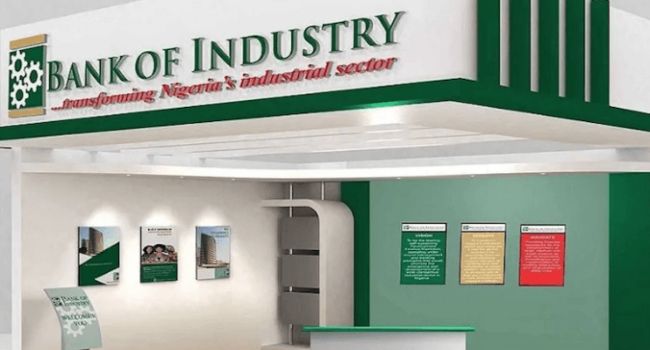
The Bank of Industry has secured a $200 million sovereign-guaranteed financing facility from the African Development Bank Group to expand long-term funding access for businesses operating in key sectors of Nigeria’s economy.
The facility, approved by the Board of Directors of the AfDB Group, is aimed at supporting Nigeria’s industrial transformation by providing medium- to long-term financing for enterprises in strategic sectors including infrastructure, transportation, agro-processing, healthcare, pharmaceuticals, and green industrialisation.
According to the AfDB, the intervention is designed to address one of the biggest challenges facing Nigerian businesses limited access to affordable long-term capital needed for expansion and industrial growth.
The funding will place significant focus on small and medium-sized enterprises, especially women-owned and youth-led businesses, with at least 30 per cent of the proceeds expected to support SMEs across the country.
The initiative is also expected to help bridge financing gaps in underserved sectors while creating new opportunities for entrepreneurship, innovation, and local production.
Part of the facility will specifically support climate-resilient and environmentally sustainable investments, including renewable energy projects, energy-efficient manufacturing systems, climate-smart agriculture, and sustainable infrastructure development.
Officials say the intervention could strengthen local manufacturing capacity, improve industrial productivity, deepen healthcare and pharmaceutical value chains, and reduce Nigeria’s dependence on imported products.
In addition to the main financing package, the AfDB approved a $650,000 technical assistance grant through the Fund for African Private Sector Assistance to strengthen SME capabilities and improve environmental, social, and governance standards.
The grant will also support climate-focused business initiatives and help enhance BOI’s impact measurement and development monitoring systems.
Another component of the intervention under the Affirmative Finance Action for Women in Africa initiative is expected to improve access to funding, markets, and supply chains for women-owned and women-led enterprises.
Over time, the facility is projected to support job creation, stimulate export growth, increase tax revenues, reduce pressure on foreign exchange through import substitution, and strengthen the contribution of critical sectors to Nigeria’s Gross Domestic Product.
Speaking on the approval, Director-General of the AfDB Nigeria Country Department, Abdul Kamara, said development finance institutions have a critical role to play in providing the kind of long-term capital commercial banks often struggle to offer.
“Nigeria’s industrial transformation requires more patient, long-term capital than the market is structured to provide,” he said.
He added that the financing would help channel investment into areas capable of driving industrial expansion, economic diversification, and inclusive growth.
Also commenting, Director of the AfDB Financial Sector Development Department, Ahmed Rashad Attout, said the facility would significantly strengthen BOI’s ability to support SMEs and high-impact sectors of the economy.
Managing Director and Chief Executive Officer of BOI, Olasupo Olusi, described the agreement as a major milestone in the institution’s long-standing partnership with the African Development Bank.
According to him, the facility builds on the success of a previous $100 million AfDB credit line to BOI that was fully repaid in 2025.
Olusi said the new financing would expand the bank’s capacity to support businesses operating in sectors critical to Nigeria’s economic transformation.
“Beyond financing, this intervention is about enabling industrial growth, expanding opportunities for SMEs, empowering women and youth-led businesses, strengthening local manufacturing capacity, and accelerating Nigeria’s transition towards a more resilient and sustainable economy,” he said.
BOI noted that the latest intervention aligns with the AfDB’s long-term strategy focused on inclusive growth, green industrialisation, resilient infrastructure, financial sovereignty, and value-added production across Africa.