Why Abuja Will Not Have State Police — Senate Explains
The Senate has clarified that the Federal Capital Territory (FCT) will not be included in the proposed state police system, citing its distinct constitutional structure. Chairman of the Senate Committee on Media and Publicity, Yemi Adaramodu, explained that the FCT does not have the institutions required to operate a police force under the proposed state-level …
The Senate has clarified that the Federal Capital Territory (FCT) will not be included in the proposed state police system, citing its distinct constitutional structure.
Chairman of the Senate Committee on Media and Publicity, Yemi Adaramodu, explained that the FCT does not have the institutions required to operate a police force under the proposed state-level arrangement.
According to him, Abuja has neither a governor nor a State House of Assembly. Instead, the territory is administered by a minister appointed by the Federal Government, while legislative responsibilities for the FCT rest with the National Assembly.
Addressing concerns over the exclusion of Abuja from the state police plan, Adaramodu said the FCT’s policing structure must reflect its status as a federal territory.”The FCT issue is different. It is under the Federal Government,” he said.
He explained that the absence of a state legislature means Abuja cannot operate under the same framework being considered for Nigeria’s 36 states.”The federal capital does not have an assembly. The National Assembly is the body that makes laws for the Federal Capital Territory.”
Adaramodu added that policing in the nation’s capital would therefore remain under the federal system.”That’s why it has to be the same as what the Federal Government does. So, the federal police are responsible,” he said.
The clarification comes amid ongoing efforts by the Federal Government and lawmakers to establish state police as part of broader reforms to Nigeria’s security architecture.
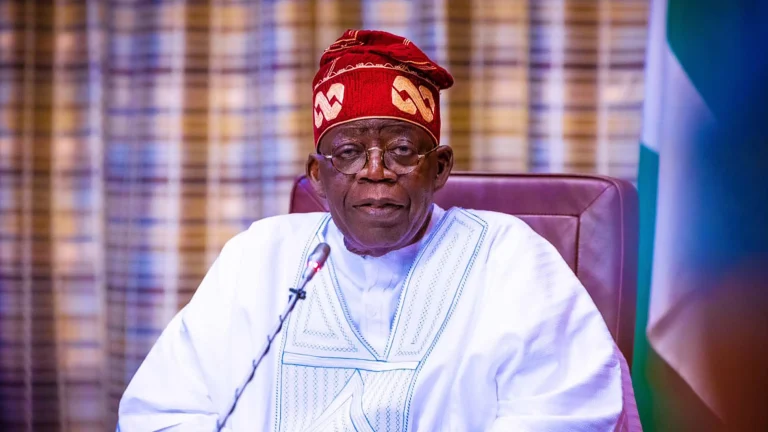
President Bola Tinubu is expected to receive the draft Executive National Policing Bill on September 3 as discussions on the proposed policing framework continue.