The gym has not disappeared; for some of us, it’s just never existed.
It is also not the only place people look when they want to move their bodies, because there is another way.
Dance is making a comeback, but not in the performance sense of the verb, rather as a way to give bodies the shake, rattle and roll it needs.
Research has shown that people are increasingly drawn to movement that does not feel like punishment, choosing something that feels energising rather than repetitive and rigid.
The appeal lies in the experience becoming something to enjoy rather than something to endure and sweat out.
It’s the long hours spent sitting, whether at desks, in cars or in front of screens. It seems to have created a physical need for movement that feels like a reset, something that breaks the monotony of stillness and reintroduces rhythm into daily life.
Mzansi Ballet director Dirk Badenhorst has watched this change unfold firsthand.
“Dance has indeed become a very important fitness regime, but with emotion and memories attached to it,” he said, adding that more people are moving away from traditional gym environments and into dance studios.
What they are finding, he suggested, is not just exercise, but something layered with meaning.
Dance is layered with meaning
There is also a strong element of familiarity drawing people back, said Badenhorst.
“So many people used to do ballet and dance as young people and moved away from it
“Now that they are older and more settled, they would like to relive a happy childhood.”
That return is less about reclaiming skill and more about reconnecting with something that once felt natural, he said.
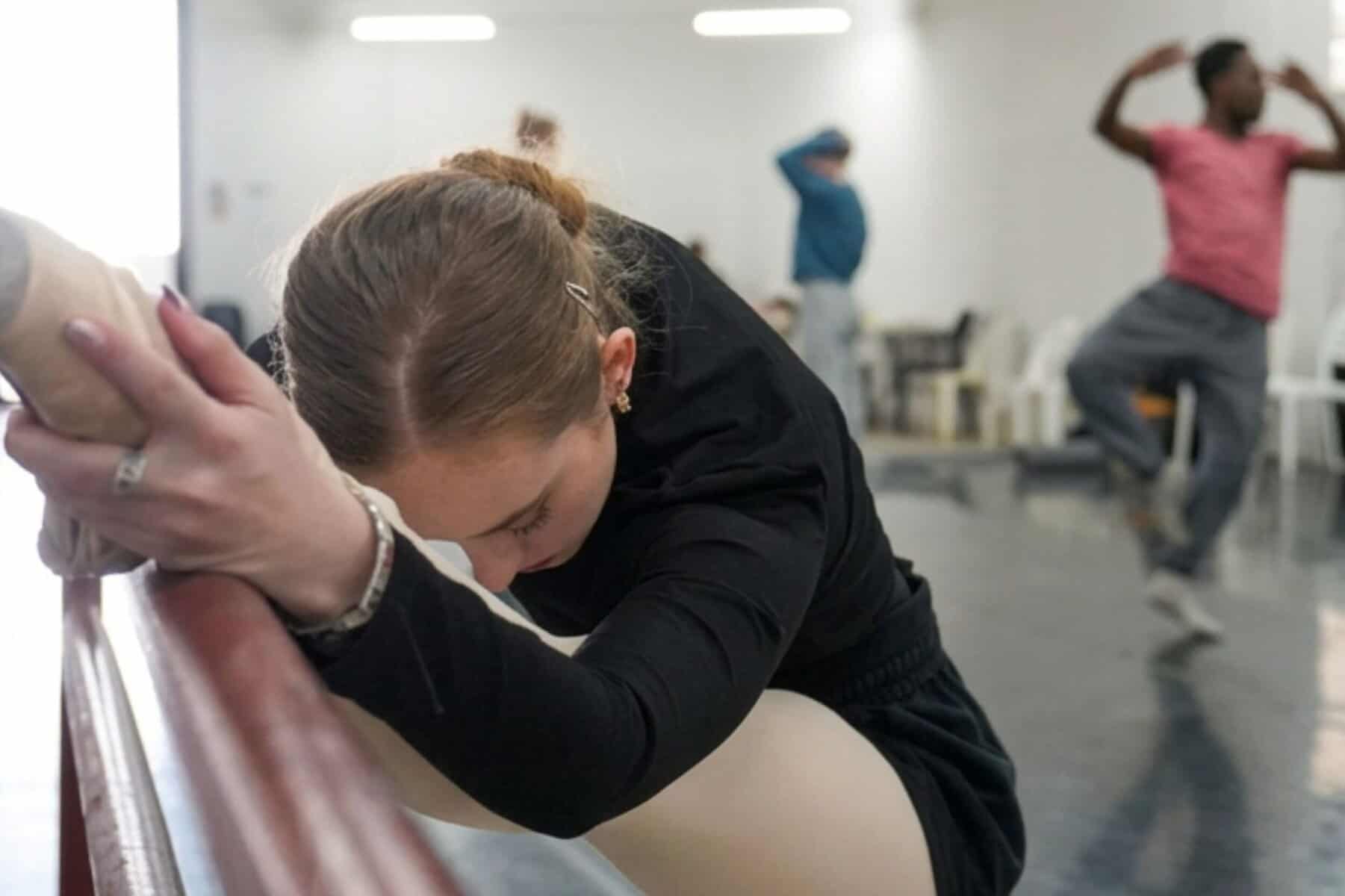
At the WGRUV Dance Company, Holly Gruver is seeing a similar pattern, although she approaches it from a different perspective.
“At JAC (Johannesburg Arts Collective) we have always believed that the body is not merely a machine to be optimised,” she said.
“It is an instrument of expression, of story, of worship.”
She said that when students arrive motivated by enjoyment rather than numbers, the atmosphere in class changes.
“They’re present. They’re willing to be formed, not just trained,” she said, and added that classes are approached with a broader intention.
“We don’t just warm up muscles, we orient the whole person.”
That experience extends beyond physical movement. Research has shown that dance offers something many people feel they are missing, a sense of play and freedom that is often absent in adult life.
In a culture that places constant emphasis on productivity, dance creates space for expression without expectation.
Expression without expectation
Gruver believes the benefits go even further, especially in a world heavily influenced by distraction and disconnection.
“We were made to create, to move, to connect with other living, breathing human beings in real space,” she said.
She has seen students arrive anxious and distracted, only to settle through movement and shared experience. “Dance requires you to arrive fully. Your mind, your body, your breath – all of it.”
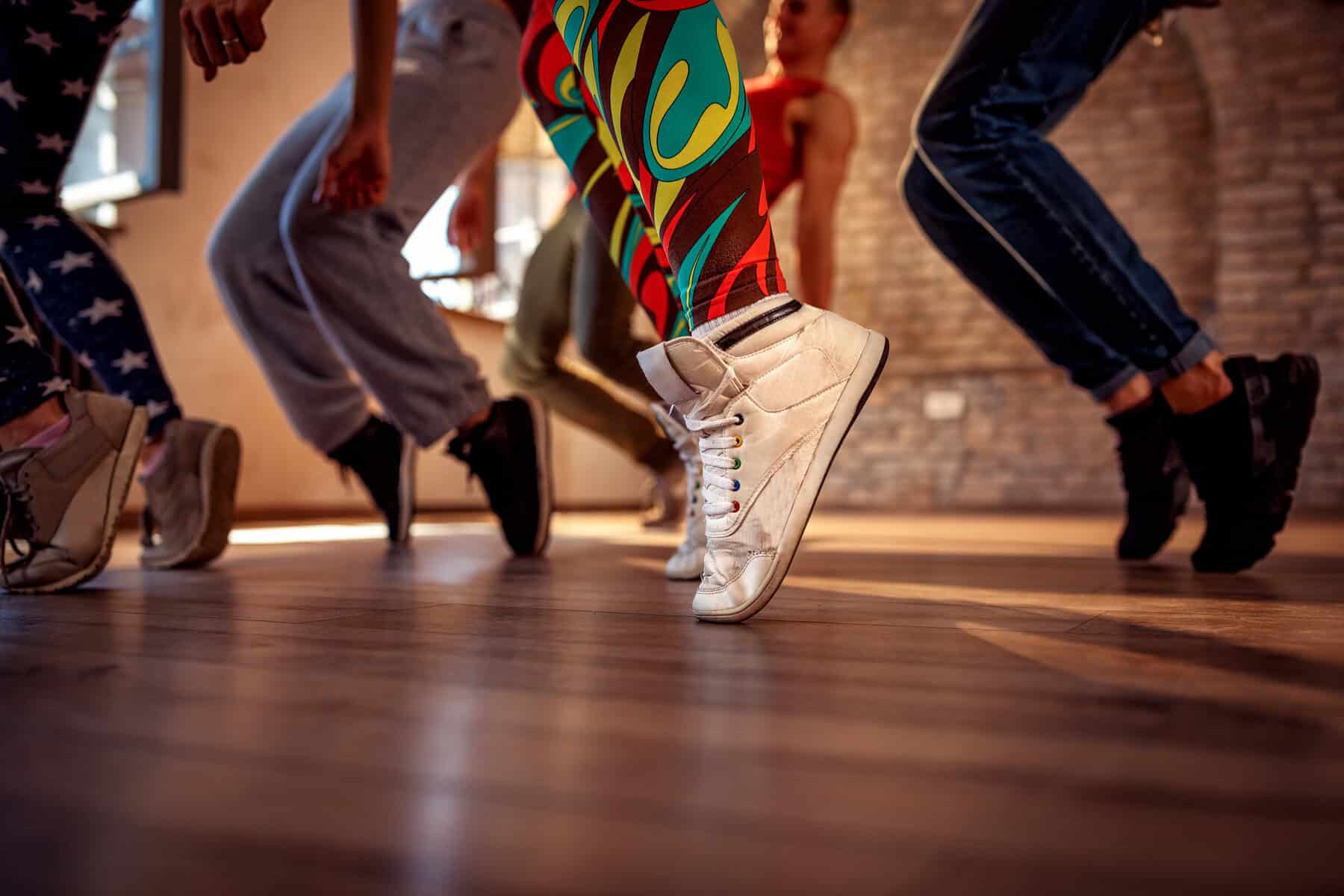
Social media has made it easier for people to engage with a movement in a casual way. Gruver has seen how that plays out in the studio.
“Students arrive having watched thousands of hours of content.
“They recognise styles, they have opinions.”
What they discover, however, is something that cannot be replicated on a screen.
“A thirty-second clip cannot teach you what it feels like to hold a balance until it finally holds you back,” she said. “Visibility is a doorway. Discipline is the house.”
Connection is another driving force behind the renewed interest.
Dance provides a form of real-world interaction with shared experiences without the pressure of formal socialising. Gruver said it’s a major influence.
“Technique without relationship produces technicians, not artists,” she said, describing the studio as a space where people are seen and supported.
“Being genuinely seen is a radical act.”
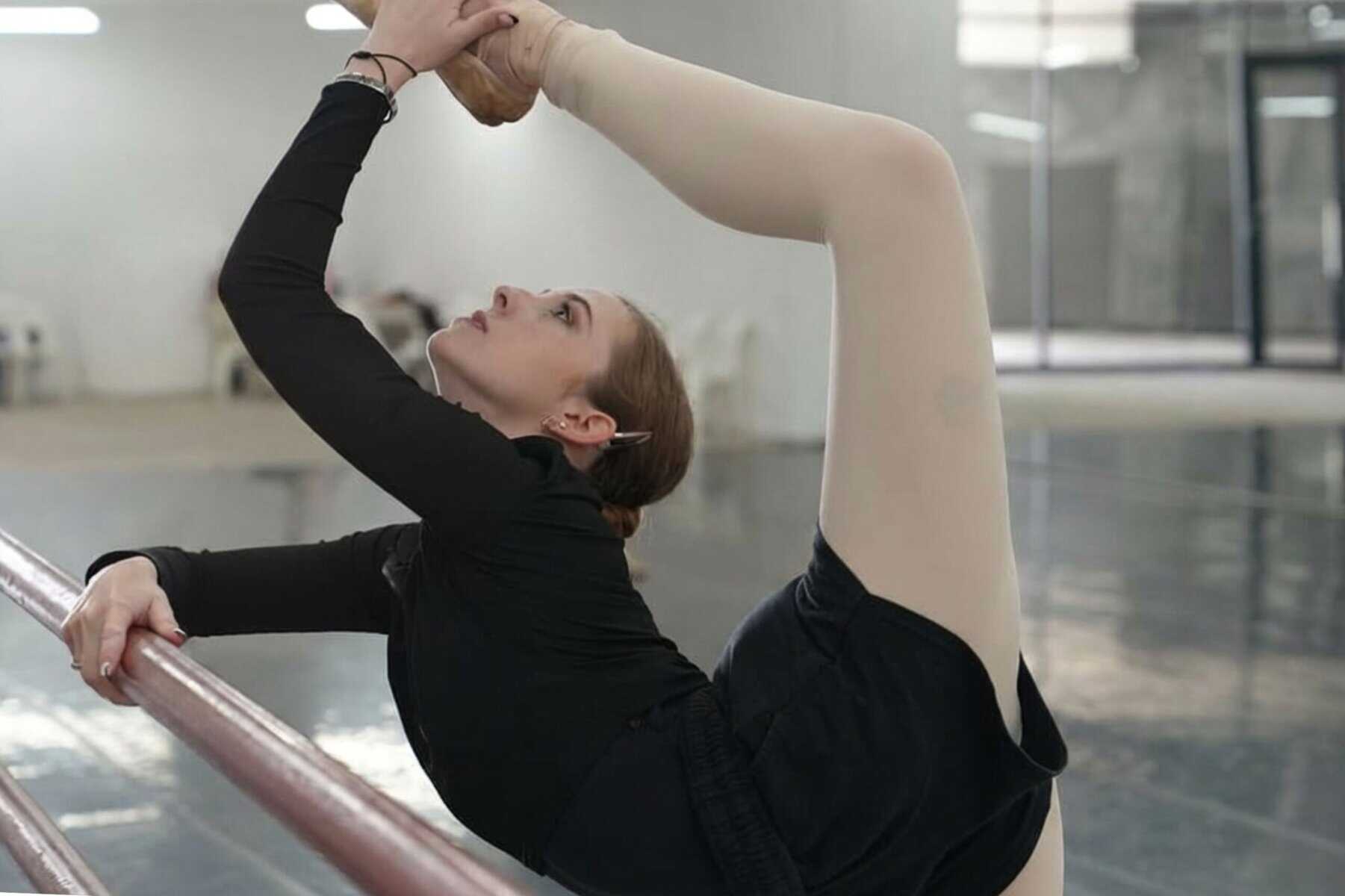
The physical benefits, said Badenhorst, are clear.
“It’s a full-body workout that engages everything from the feet and legs to the upper body, combining strength, balance and endurance in a continuous flow. It is exercise, but it does not feel confined to repetition.”