The government has allocated R12.3 billion in infrastructure grants to municipalities. This move is a renewed push to address South Africa’s water and sanitation challenges.
The Department of Water and Sanitation confirmed the allocation during the current financial year. It is part of broader efforts to improve service delivery.
These efforts also include rehabilitating ageing systems and expanding access to reliable water services across the country.
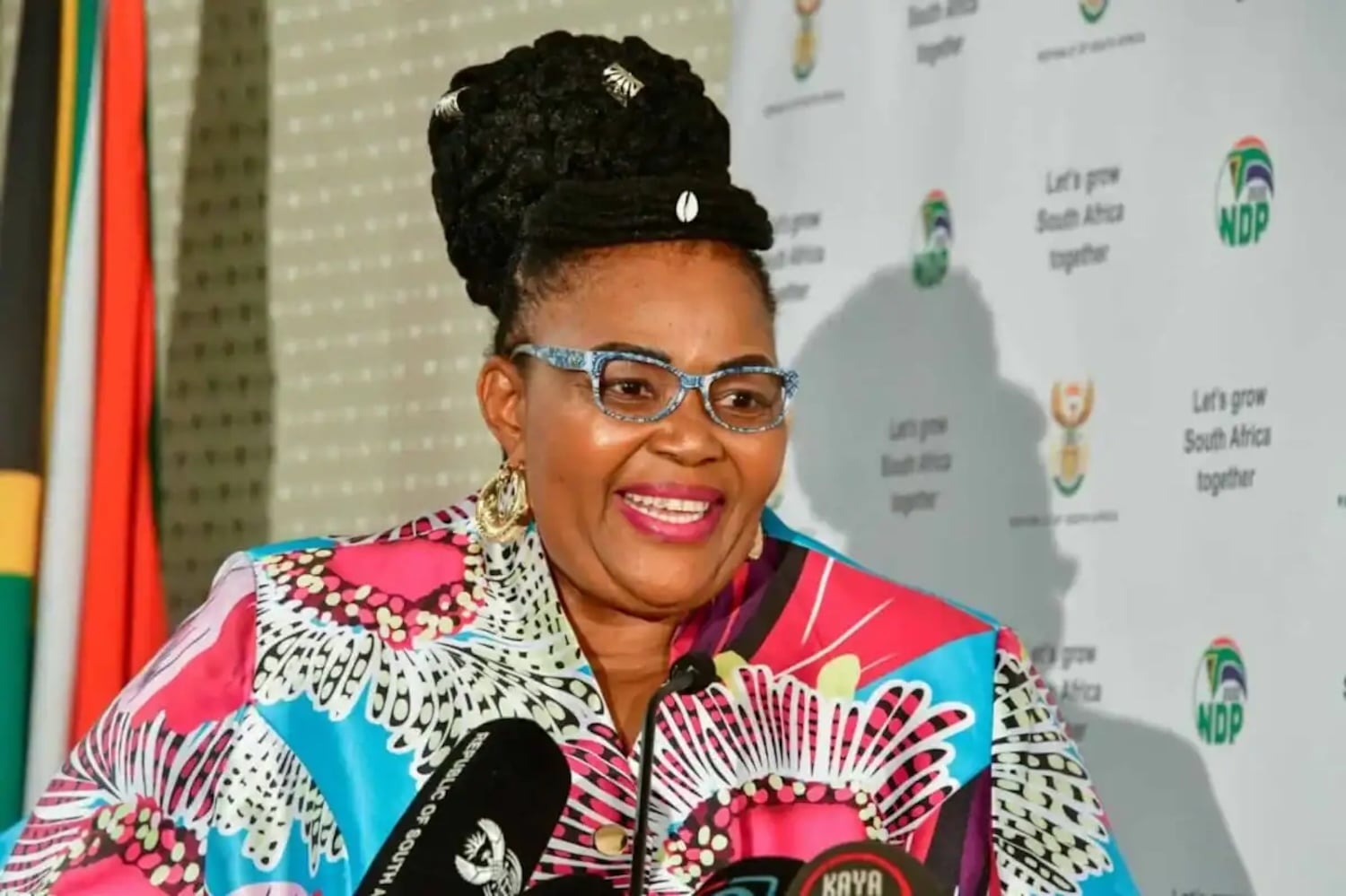
Delivering her budget vote speech in the National Council of Provinces on Wednesday, Water and Sanitation Minister Pemmy Majodina said the government was intensifying interventions. The aim is to stabilise the sector.
“The message we bring to this House is clear: Government is intervening decisively, projects are being accelerated, and partnerships are being strengthened to ensure that communities receive reliable water and sanitation services,” Majodina said.
She acknowledged ongoing challenges, including water interruptions, sewage spillages, deteriorating wastewater treatment plants and high levels of water loss across municipalities.
Major infrastructure projects underway
Majodina said the interventions form part of the National Water Action Plan.
This plan was initiated after President Cyril Ramaphosa established the National Water Crisis Committee. The committee was created to respond to worsening service delivery failures.
“The department’s priorities include completing delayed infrastructure projects, rehabilitating failing water treatment and wastewater works, expanding water supply to underserved communities, developing groundwater resources, and investing in water reuse and desalination initiatives,” she said.
Several large-scale projects were highlighted, including a R2.6 billion bulk water supply programme. This programme is serving Mthatha, Libode, Ngqeleni and Mqanduli in the Eastern Cape.
In the Free State, a R4 billion intervention is underway in Maluti-a-Phofung. Meanwhile, Limpopo’s R1.3 billion Giyani water project has already connected 24 villages.
KwaZulu-Natal is also receiving a R4.9 billion Mandlakazi Regional Bulk Water Supply Scheme, aimed at improving long-term water security.
In Gauteng, the Hammanskraal water intervention is nearing completion. A new 50 megalitre-per-day water package plant is expected to improve access to clean water for about 47 000 households.
Rural water access programme rolled out
The department also announced a nationwide Rural Water Access Programme aimed at improving access in unserved communities.
This will be done through boreholes, spring protection, rainwater harvesting and rehabilitation of non-functional systems.
More than 2 600 settlements have been identified, with over R200 million allocated for the first phase across KwaZulu-Natal, Gauteng and the Eastern Cape. Implementation is scheduled to begin in July. It will conclude in September.
Strengthening governance and accountability
The government is also shifting implementation support to water boards to assist struggling municipalities. At the same time, it is working with the Department of Cooperative Governance and Traditional Affairs.
It is also cooperating with the National Treasury to improve governance and financial sustainability.
Majodina said anti-corruption efforts are being strengthened through the Water Sector Anti-Corruption Forum, established with the Special Investigating Unit.
She urged cooperation across government, communities and the private sector, saying collective action was essential to secure South Africa’s water future.