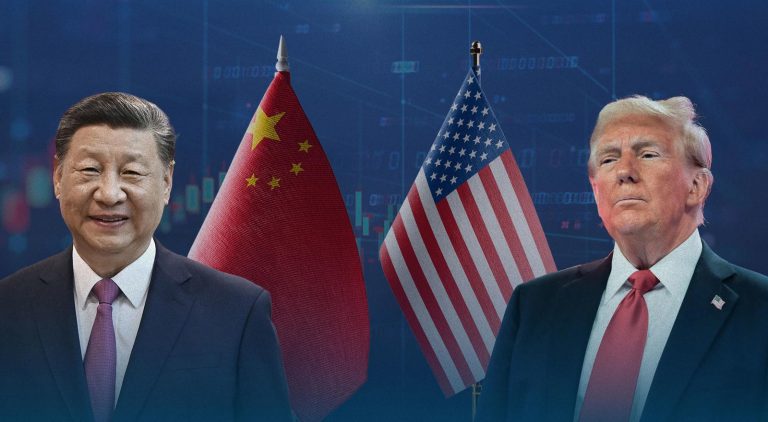
The United States has begun enforcing a military blockade on Iranian ports, escalating tensions in the Gulf even as signs of renewed diplomatic engagement helped ease global oil prices.
The move, ordered by President Donald Trump, follows the collapse of weekend talks between Washington and Tehran in Islamabad. Despite the breakdown, officials on both sides indicated that communication channels remain open, raising cautious optimism for a possible agreement.
A US official confirmed continued engagement aimed at resolving the crisis, while Pakistan’s Prime Minister Shehbaz Sharif said diplomatic efforts were still ongoing.
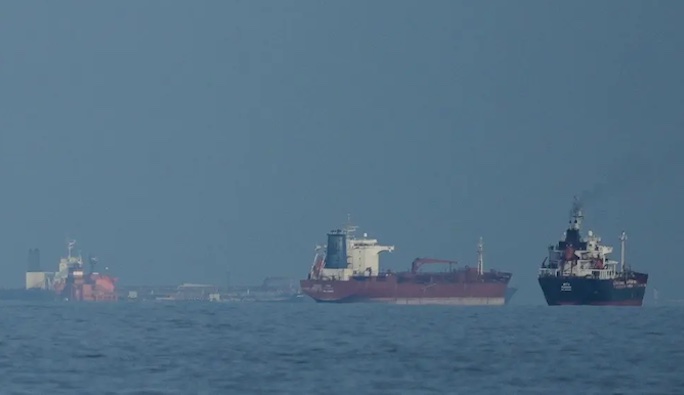
The blockade targets vessels linked to Iran, with US forces warning that any Iranian ships approaching the restricted zone could be intercepted or destroyed. Washington has also cautioned that ships paying tolls to Iran for passage could face similar action.
Since the outbreak of hostilities between the United States and Israel against Iran on February 28, Tehran has effectively restricted access to the Strait of Hormuz a critical global shipping route through which nearly a fifth of the world’s oil and gas supplies previously passed.
Iran has insisted that vessels can only transit under its control and subject to fees, a move that has disrupted global energy flows and heightened fears over supply security.
However, oil markets reacted with some relief on Tuesday, as benchmark prices fell below $100 per barrel on expectations that diplomatic efforts could still avert a prolonged disruption.
Shipping activity showed early signs of adjustment to the new reality. Data indicated that a Chinese-owned tanker successfully passed through the strait, marking the first such transit since the blockade began, after initially turning back during earlier uncertainty.
The US Central Command said the blockade would be enforced “impartially” on vessels entering or leaving Iranian ports but clarified that neutral ships travelling to non-Iranian destinations would not be impeded.
The escalation has drawn limited international support. Key allies, including members of NATO such as the UK and France, have distanced themselves from the operation, instead calling for efforts to reopen the waterway and de-escalate tensions.
US Vice President JD Vance said negotiations had yielded “some good signs,” noting that Iran had shown limited movement towards US demands, particularly on nuclear restrictions. Washington continues to insist that any deal must eliminate Iran’s capacity to develop nuclear weapons.
Iran, however, has condemned the blockade as “piracy,” warning that any attempt to restrict its ports would trigger retaliation across the Gulf. Its military also cautioned that foreign naval presence near the strait could violate the fragile ceasefire currently in place.
The situation remains volatile, with ongoing military activity extending beyond Iran. Israeli forces have continued operations in Lebanon, targeting positions linked to Hezbollah, further complicating the regional security landscape.
While the blockade has intensified geopolitical risks, the prospect of continued dialogue has offered a temporary reprieve to global markets.
Erizia Rubyjeana