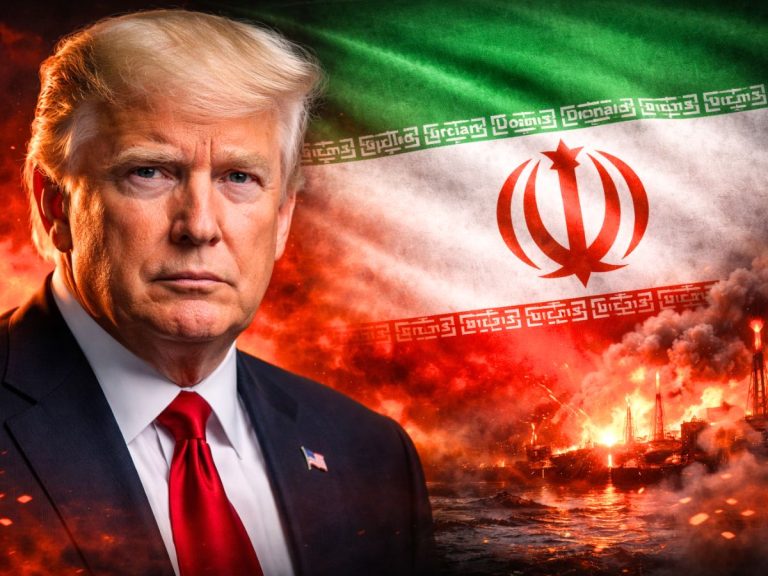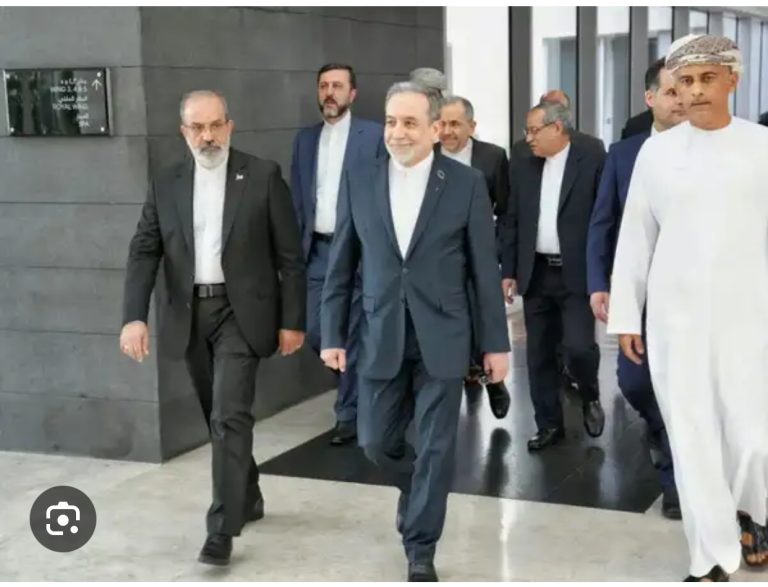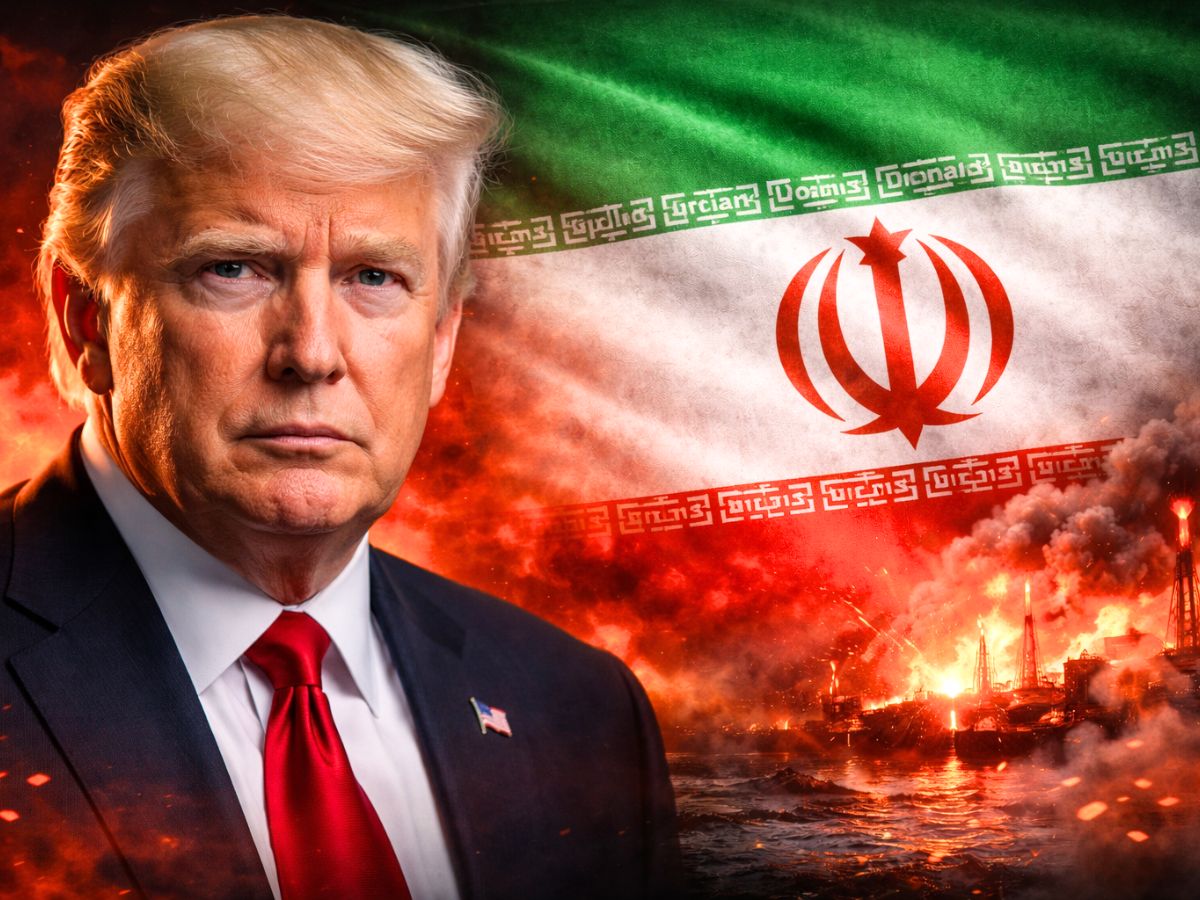
The Iran–United States crisis has taken a new turn, with Donald Trump announcing fresh negotiations while warning of severe consequences if no deal is reached.
Trump said U.S. negotiators will travel to Pakistan on Monday to resume talks aimed at ending the war with Iran, even as he issued fresh threats of military action if no agreement is reached.
In a post on his Truth Social platform on Sunday, Trump accused Iran of violating the two-week ceasefire agreement, alleging attacks in the Strait of Hormuz on Saturday.
He said Washington was presenting Tehran with what he described as a “reasonable deal”, warning that rejection would trigger a strong U.S. response.
“If they refuse, the United States is going to knock out every single power plant, and every single bridge in Iran. NO MORE MR. NICE GUY!, Trump wrote.
He added that Iran’s infrastructure would be “brought down fast and easy” if it fails to accept the proposal, insisting it would have been “done by other presidents over the last 47 years”.
The latest warning comes as tensions persist over the Strait of Hormuz, which remained effectively closed on Sunday after Iran briefly announced and then reversed its reopening of the strategic waterway.
The U.S.–Iran ceasefire is due to expire on Wednesday unless extended, with both sides still divided over key terms.
Iran has insisted it will not reopen the strait until U.S. restrictions on Iranian ports are lifted, following inconclusive mediation talks held in Pakistan earlier this month.
Responding to recent developments, Trump claimed Iran had violated the ceasefire through renewed activity in the Strait of Hormuz.
“Iran decided to fire bullets yesterday in the Strait of Hormuz, a total violation of our ceasefire agreement”. he said.
Maritime tensions escalated further after multiple incidents were reported on Saturday. A UK maritime security agency said Iran’s Revolutionary Guards fired at a tanker, while a private security firm reported threats against a vessel attempting to leave the Gulf.
Shipping through the strait remains heavily disrupted, with limited or no movement recorded as global concern grows over the safety of the key energy corridor.