Tensions over the Strait of Hormuz have intensified again as Iran and the United States remain deadlocked in negotiations, with the key shipping route still effectively shut.
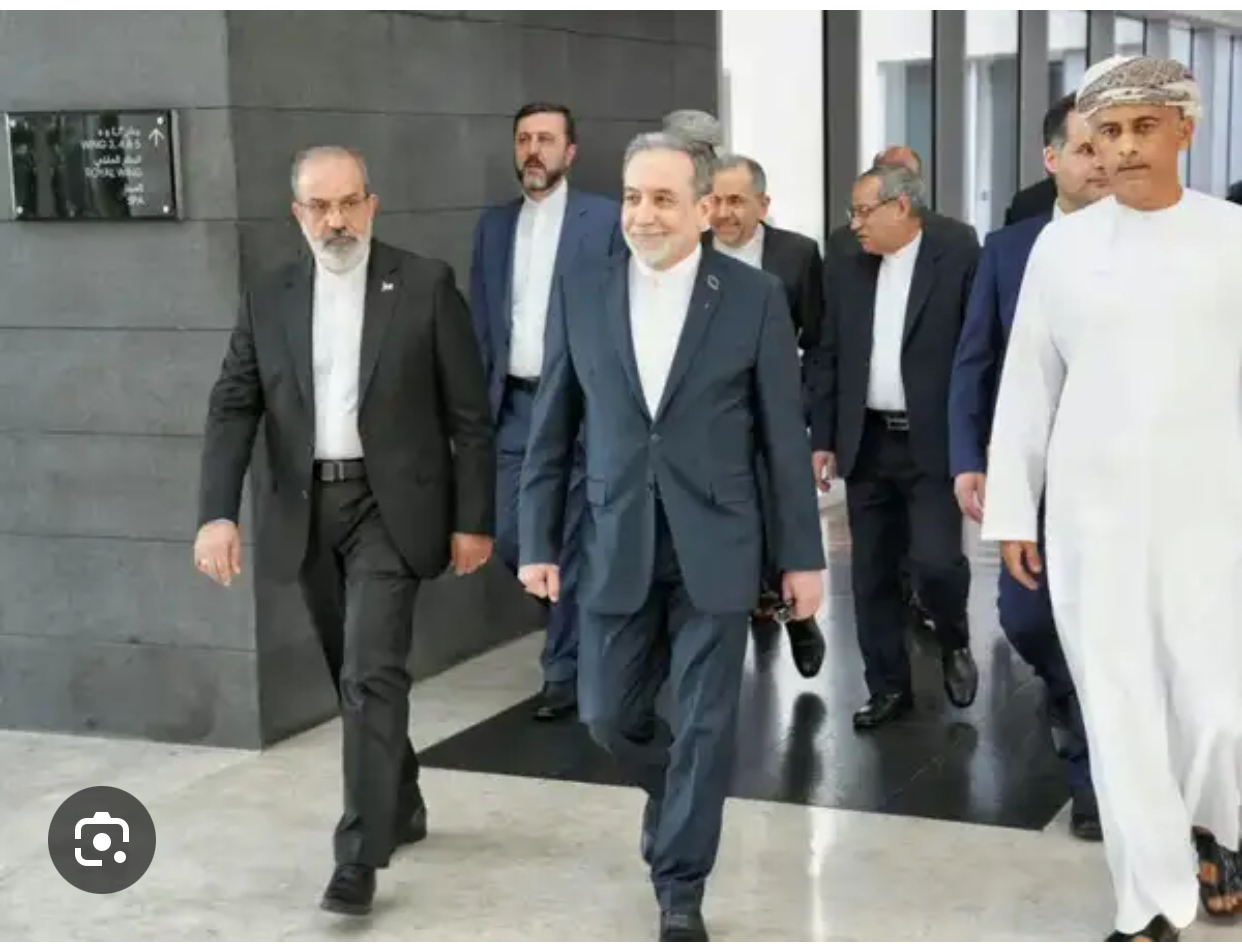
Iran indicated that progress had been made in talks but insisted that major disagreements still stood in the way of a final deal. Mediation efforts have continued following inconclusive discussions held in Pakistan.
Speaker of Iran’s parliament, Mohammad Bagher Ghalibaf, said in a televised address that while there had been some movement in negotiations with Washington, fundamental issues remained unresolved.
“There is progress, but there are still many gaps and fundamental issues that remain unresolved,” Ghalibaf said, adding that “we are still far from a final agreement”.
Ghalibaf, a senior member of Iran’s negotiating team, made the remarks as diplomatic efforts continue to end hostilities linked to the wider regional conflict involving Israel and its allies.
A temporary ceasefire currently in place is expected to expire on Wednesday unless extended.
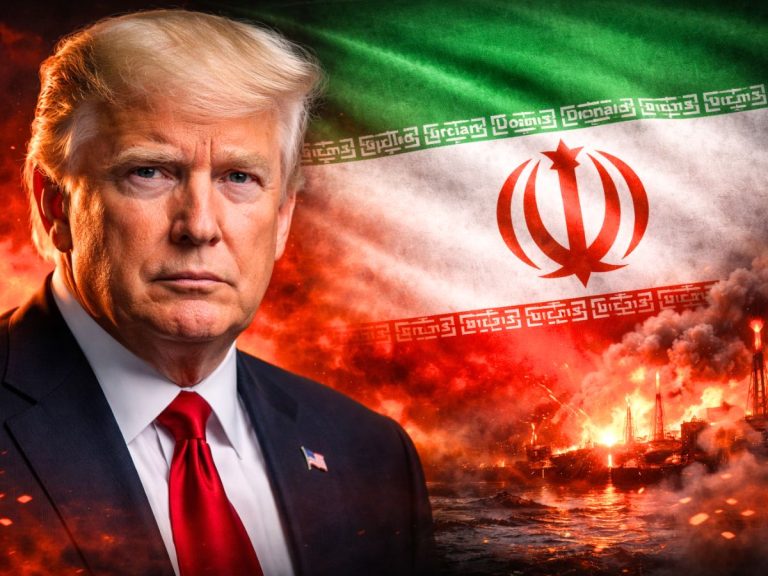
U.S. President, Donald Trump, said discussions with Iran were ongoing but accused Tehran of attempting to pressure Washington.
“We have very good conversations going on, but Iran should not try to blackmail the United States”, Trump told reporters at the White House, adding that Washington was maintaining a “tough position”.
Iran had earlier announced a brief reopening of the Strait of Hormuz following a temporary ceasefire arrangement, a move that initially eased global market concerns and pushed oil prices lower.
However, Tehran later reversed the decision, stating that the waterway would remain restricted until U.S. sanctions and blockades on Iranian ports were lifted.
“If America does not lift the blockade, traffic in the Strait of Hormuz will definitely be limited”, Ghalibaf warned.
Iran’s Revolutionary Guards also cautioned that any unauthorised movement through the strait would be treated as hostile, with vessels at risk of being targeted.
Maritime tracking data showed limited activity through the waterway on Saturday, with a few tankers briefly entering before turning back, while overall traffic declined sharply later in the day.
By Sunday morning, shipping through the strait had largely stalled, with monitoring systems indicating little to no movement.
The latest developments come after a series of maritime incidents that have heightened concerns over the safety of commercial shipping in one of the world’s most critical energy transit routes.