President says West Africa must prioritise manufacturing, innovation and intra-African trade as the bloc inaugurates its new headquarters in Abuja….
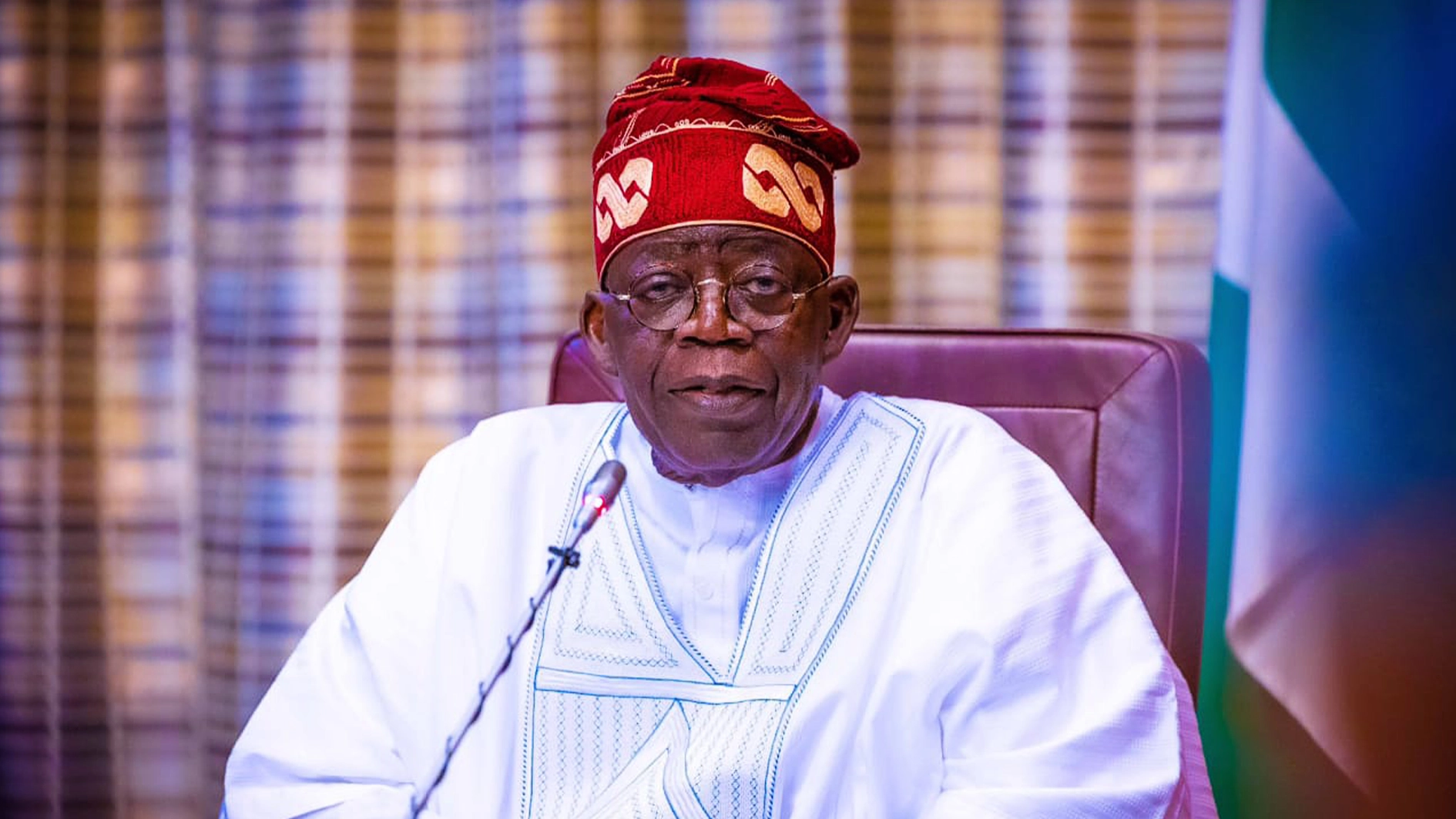
President Bola Ahmed Tinubu has urged member states of the Economic Community of West African States (ECOWAS) to reposition the region as a production-driven economy, stressing that sustainable growth will only come through industrialisation, manufacturing and stronger regional trade.
Speaking on Thursday at the inauguration of the new ECOWAS headquarters in Abuja, the President said the future of regional integration must be defined by economic productivity rather than dependence on imported goods.
Tinubu, who was represented by Vice President Kashim Shettima, described the newly commissioned headquarters as a symbol of resilience, unity and renewed commitment to the vision of a prosperous and integrated West Africa.
According to the President, the region must move beyond being a marketplace for foreign products and instead become a centre for production, innovation and value creation.
He warned that economies that rely heavily on imported goods remain vulnerable to external shocks and have limited control over their long-term development.
“The hour has come to transform our regional market into a regional production base. Our integration must increasingly be driven by what we produce rather than by what we consume, for a community that consumes what it does not make will forever live at the mercy of the goodwill of others,” he said.
Tinubu called for greater investment in manufacturing, stronger regional value chains, expanded intra-ECOWAS trade and increased support for innovation as part of efforts to build a more resilient regional economy.
He described the new headquarters as the “Eye of Africa,” saying it represents not only a physical structure but also a renewed commitment to the ideals of regional cooperation, solidarity and shared prosperity that inspired the creation of ECOWAS more than five decades ago.
While acknowledging the bloc’s achievements in promoting democracy, peace, economic cooperation and the free movement of people and goods, the President said West Africa still faces serious challenges that require collective action.
He identified terrorism, violent extremism, food insecurity, climate change, youth unemployment, economic vulnerability and public health emergencies as major threats that demand stronger regional collaboration.
Tinubu also addressed the recent withdrawal of Burkina Faso, Mali and Niger from ECOWAS, noting that the development underscores the need to view regional integration as more than an economic project.
According to him, the bloc now plays a critical role in promoting security, political stability, sustainable development and the welfare of citizens across West Africa.
Despite the departures, the President said ECOWAS should continue to pursue dialogue and cooperation, keeping its doors open for countries willing to re-engage with the regional body.
Also speaking at the event, Chairman of the ECOWAS Authority of Heads of State and Government and President of Sierra Leone, Julius Maada Bio, said the inauguration of the new headquarters offers member states an opportunity to renew their commitment to the more than 450 million people living across the region.
He praised Nigeria for its longstanding leadership within ECOWAS, describing the country as a key pillar of the regional organisation, while also commending the Government of China for donating the headquarters building.
President of the ECOWAS Commission, Omar Touray, also expressed appreciation to China for its continued support, noting that the partnership has contributed significantly to technology development, institutional strengthening and regional security initiatives.
The renewed push for economic integration comes as ECOWAS advances preparations for the launch of the long-awaited Eco single currency, which is currently targeted for rollout in 2027.
The first phase of the common currency project is expected to involve Nigeria, Ghana, Liberia, Sierra Leone, Guinea and The Gambia, subject to participating countries meeting agreed macroeconomic and governance benchmarks.