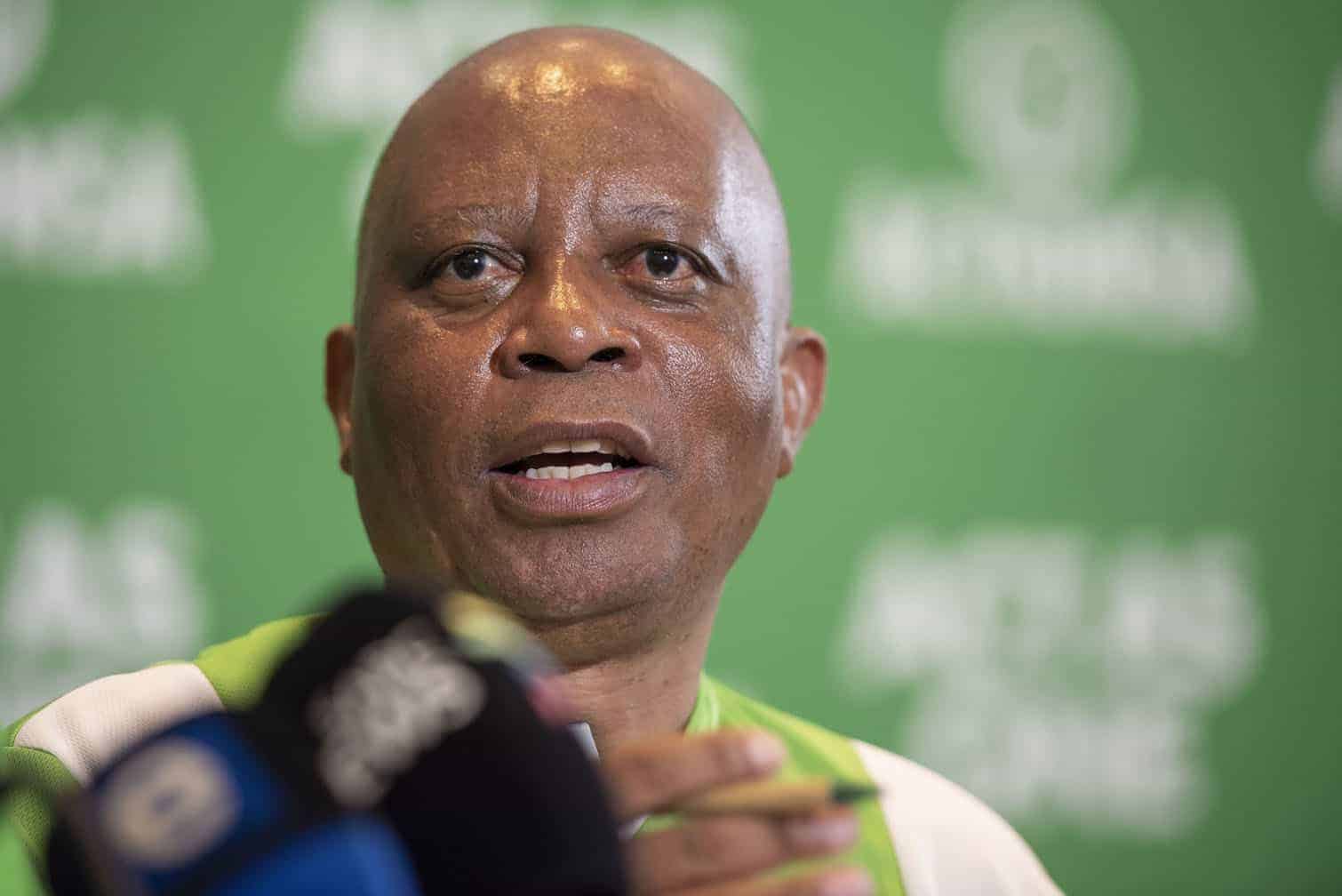
Herman Mashaba lives what some may call a paradoxical life as a self-declared capitalist who champions free market economics and individual accumulation, yet whose heart bleeds for the poor.
To him, there is no contradiction. Social justice, he insists, is the essence of humanity and his own life story – marked by hardship, resilience and ambition – has shaped this conviction.
Born on 26 August, 1959 in Ga-Ramotse village, Hammanskraal, Mashaba entered the world at a time he describes as “terrible”. Just a year earlier, Hendrik Verwoerd had become prime minister, ushering in an era of apartheid policies designed to deny black South Africans access to quality education and opportunity.
Mashaba’s father died when he was just two, leaving his mother to seek domestic work in Johannesburg. His elder sister stepped in as caregiver, instilling discipline and responsibility in the young boy.
Life in Ga-Ramotse, was harsh – the family and the community had no running water, forcing Mashaba and his siblings to steal water from a nearby Afrikaner farm at night.
At Lebelo Primary School, he endured punishment at school because his mother could not afford the 25 cents for school fees.
Many classmates dropped out, including his older brother, but Mashaba persevered, determined to break the cycle of poverty at home through education.
He later attended Tshepo High School in Temba township, completing matric before enrolling at the University of the North (Turfloop) in 1979.
Financial constraints cut short his first studies at university, but the setback only sharpened his entrepreneurial instincts. Mashaba’s grandfather, a World War II veteran and municipal security guard, played a pivotal role in shaping his independence. Though uneducated, the elderly man instilled wisdom and self belief, famously declaring that his grandson, whom he named initially Highman, would “change the course of history in this country”.
A dream come true
Mashaba embraced that prophecy. In his teens and early 20s, he was already experimenting with ways to earn money – playing dice in township streets to buy books and clothes. He confessed to being a gambling boss at a young age. At 24, Mashaba conceived the idea that would define his business career.
He launched the manufacturing of haircare products for black consumers, the famous Black Like Me products. In 1985, he partnered with two associates before eventually taking full control.
By 30, he had built his own factory in Mabopane, near Pretoria, employing dozens and proving a young black entrepreneur could succeed in apartheid South Africa. His brand became iconic, expanding to the UK, where he was hailed as the first black South African to establish such a business abroad.
Over time, he diversified into mining, construction, real estate, security, aviation and IT, cementing his reputation as a formidable businessman. Mashaba’s transition into politics surprised many. In 2016, he became mayor of Joburg under the DA.
The Joburg mayor
His tenure was marked by boldness and controversy. He prioritised service delivery, infrastructure and anticorruption measures, but his cooperation with the EFF in the council strained relations with the DA. Still, Mashaba prided himself on accountability, boasting that he was the only mayor to submit a comprehensive end of term service delivery report in 2020, which he then handed over to his successor.
His term as mayor reflected his dual identity as a capitalist entrepreneur and advocate for the poor. He railed against the neglect of black townships, accusing the DA of focusing on affluent suburbs while informal settlements languished without toilets or basic infrastructure. “They wanted me to cut the grass in Sandton while Alexandra residents nearby suffered,” he said.
For Mashaba, governing meant tackling inequality head on, even if it meant breaking ranks with his party. After leaving the DA, Mashaba founded ActionSA, positioning himself as a reformist leader committed to ethical governance, and deliberately chose not to join his fellow MPs in parliament.
His wife and daughter took over his businesses, allowing him to focus on politics and coordinate the party outside parliament. He is now preparing to run for Joburg mayor again in the upcoming local elections, promising to overhaul and prioritise all 10 municipal departments rather than focusing on a single area.
“All of my MMCs must hit the ground running, all at the same time,” he said, emphasising infrastructure, job creation and social cohesion. Mashaba, a former amateur soccer player nicknamed “Pele”, who relaxes at home by playing the piano and watching football, insists any coalition partners who want to join ActionSA must meet three conditions.
They must declare corruption the public enemy number one, commit to service delivery for all residents and support measures to curb undocumented migration. His stance on immigration has drawn criticism, but he is unapologetic, arguing that uncontrolled migration undermines municipal governance.
Mashaba’s philosophy blends capitalism with compassion and he rejects the notion that wealth accumulation and concern for the poor are incompatible. “There is no contradiction,” he said. “I grew up in abject poverty. I know how to go to school without shoes in winter, or to be punished by teachers because my mother could not afford school fees.
“After more than 32 years of democracy, do you expect me, now that I live in Sandton, to say life is normal? No, life is not normal for the poor. I believe strongly in social justice, and nobody will stop me.”