Confusion over the strait’s status rattles oil markets and undermines optimism from Donald Trump that a breakthrough deal with Tehran is within reach…..
Fresh uncertainty gripped global energy markets on Saturday after Iran’s military signaled it had once again tightened control over the Strait of Hormuz, just hours after indicating the vital shipping lane had reopened.
The abrupt shift has raised new questions about the stability of ongoing diplomatic efforts, particularly after Donald Trump suggested only a day earlier that a peace agreement to end hostilities involving Iran and Israel was “very close.”
Tehran had initially announced the reopening of the strait on Friday following a ceasefire arrangement in Lebanon aimed at halting clashes between Israel and Hezbollah. The move sparked immediate relief in global markets, with oil prices dropping sharply amid hopes of de-escalation.
However, that optimism proved short-lived.
By late Saturday morning, Iran’s central military command declared that the waterway had reverted to “strict management and control” by its armed forces, a move widely interpreted as a response to continued U.S. naval pressure in the region. Washington has maintained that its maritime restrictions on Iranian ports will remain in place until a broader agreement is reached.
The mixed signals created confusion at sea. Maritime tracking data showed a rush of tanker activity, with several vessels successfully navigating the narrow passage while others abruptly changed course, abandoning attempts to transit the Strait of Hormuz corridor altogether.
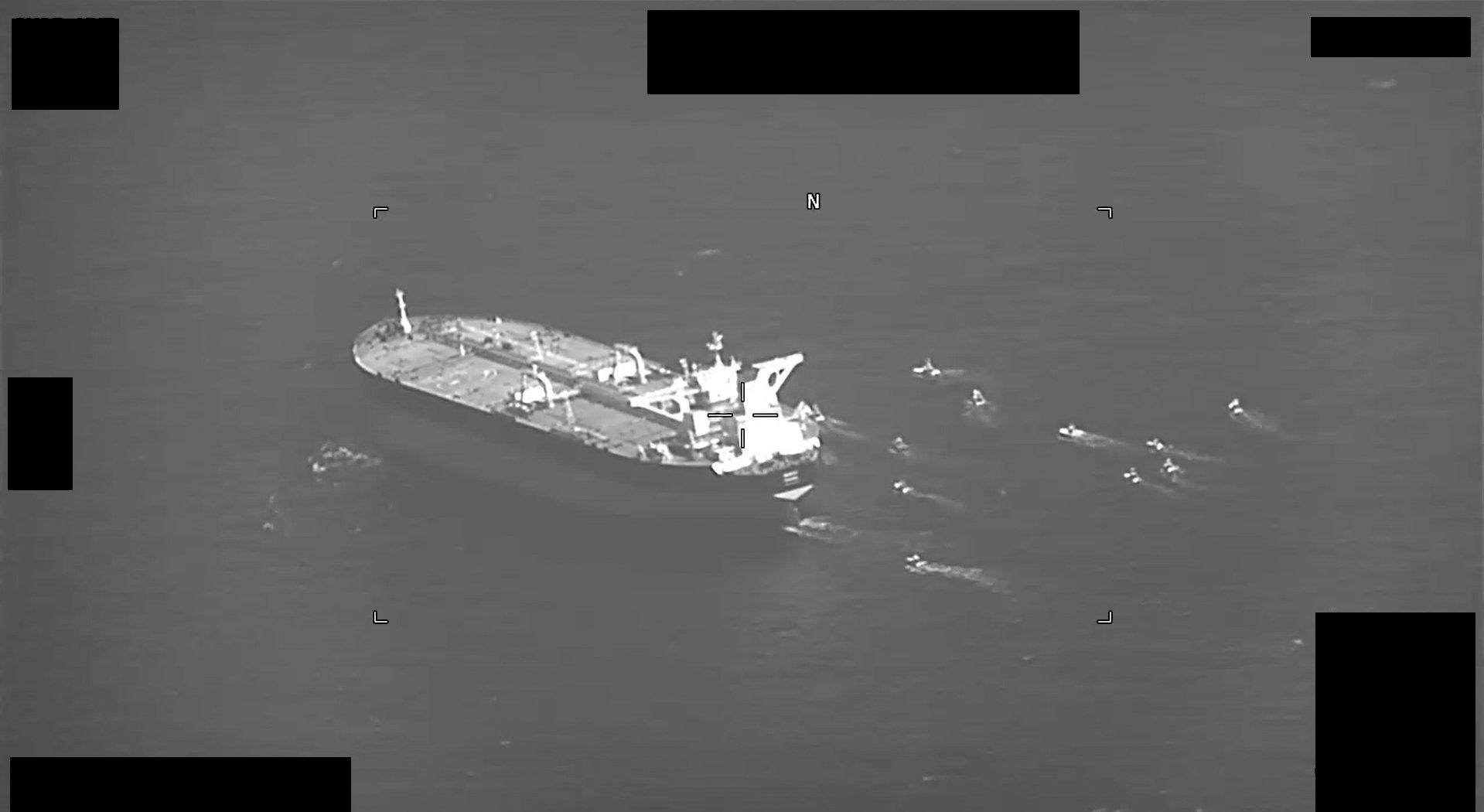
Adding to tensions, a security alert from the United Kingdom Maritime Trade Operations (UKMTO) detailed an encounter involving a commercial tanker northeast of Oman. The vessel reportedly came under warning fire from Iranian Revolutionary Guard boats without prior radio communication. No injuries were reported, but the incident is now under investigation.
Iranian officials have remained defiant. Speaking at a diplomatic forum in Turkey, Deputy Foreign Minister Saeed Khatibzadeh rejected U.S. pressure tactics, insisting that Iran would not yield to what he described as a “siege.”
Meanwhile, the country’s leadership struck a similarly firm tone. In a written statement, Supreme Leader Mojtaba Khamenei said Iran’s naval forces were fully prepared to counter any external threat.
Despite the escalating rhetoric, diplomatic channels remain active. Pakistan has taken a leading role in mediation efforts, with its army chief recently concluding high-level talks in Tehran. Egypt has also expressed cautious optimism, with officials suggesting a potential agreement could emerge within days.
Yet major sticking points remain unresolved. Chief among them are Iran’s stockpile of highly enriched uranium and the long-term status of the Strait of Hormuz itself, both issues central to any lasting deal.
While Donald Trump has publicly downplayed obstacles, claiming negotiations face “no sticking points,” Iranian officials have pushed back. Tehran insists its nuclear materials will not be transferred abroad, contradicting claims from Washington that such concessions are imminent.
As the clock ticks down on a fragile two-week ceasefire, the situation remains volatile. Even as Iran reopened parts of its airspace for international transit, uncertainty at sea and the risk of further confrontation continues to cast a long shadow over hopes for peace.