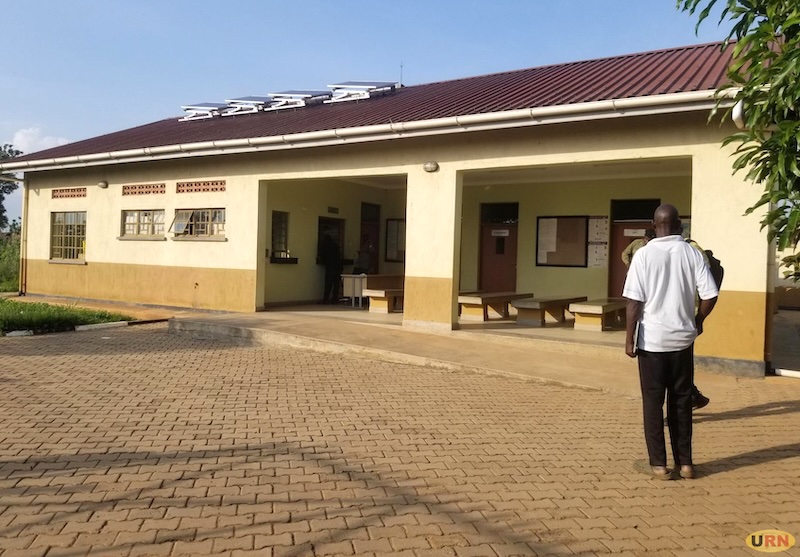
Members of Jinja city’s security committee were left shocked after discovering that health workers deployed to Kisima health centre III had signed the attendance register for the entire month of June despite being absent from duty.
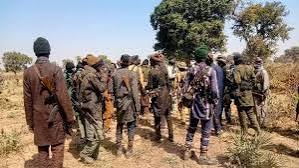
The committee, led by Jinja Resident City Commissioner (RCC) Salim Kumakech, was assessing service delivery on the islands of Rwabitooke, Kisima I and Kisima II when it made an impromptu visit to the facility at around 2:30 pm.
Upon arrival, the team found only a security guard at the health centre. The guard informed them that the health workers had gone for lunch and were expected back within an hour.
However, despite waiting until 6:30 pm, none of the health workers returned, raising questions about whether they had reported for duty at all. The committee was further alarmed to discover that attendance records had already been filled in for the entire month of June, yet attendance is supposed to be recorded on a daily basis.
One member of the health facility management committee said the facility had been allocated 12 staff members to support service delivery. However, only four had regularly been seen at the facility, raising concerns about the whereabouts of the rest.
“Much as we were promised 24-hour operations, the facility is always closed at night and emergency cases are privately evacuated to the mainland for urgent treatment or risk death,” the committee member said.
Kumakech said absenteeism among civil servants undermines government’s efforts to decentralise services and bring them closer to the people. He noted that all communities deserve dignified treatment, including timely access to quality healthcare services, but absenteeism among health workers continues to frustrate those efforts.
Kumakech said access to healthcare is a fundamental right that government seeks to guarantee through the construction of health facilities and deployment of personnel.
However, he noted that when health workers fail to report for duty, communities are left stranded despite the availability of infrastructure.
He pledged to engage the relevant city authorities to ensure the matter is addressed and that residents receive the healthcare services they are entitled to.
Residents say the islands are prone to water-borne and hygiene-related diseases such as bilharzia and diarrhoea because they are surrounded by Lake Victoria.
However, they complain that the health facility is often unattended, forcing patients to endure worsening conditions without medical attention.
Lilian Namuddu said her children are due for immunisation but have repeatedly missed the service because the facility is often closed.
She added that on the few occasions when a nurse reports for duty, they usually leave shortly after lunch, leaving patients unattended.
According to Namuddu, the health centre should be conducting regular clinic days for immunisation and treatment of common diseases affecting island communities.
“That would greatly reduce the disease burden in the area,” she said.
Betty Achom, an expectant mother, said she is five months pregnant but has been unable to access antenatal care because of the irregular attendance of health workers.
Achom said she only managed to attend one antenatal clinic session at Walukuba Health Centre III during her second trimester but has been unable to return because of transport costs.
“A return trip from Kisima II to the mainland costs Shs 5,000, which I cannot afford. I only hope the health workers assigned to our facility can report to work according to the government-approved schedule,” she said.
Steven Zirimenya said government invested heavily in constructing and equipping the health centre, but the benefits are not being realised because health workers rarely report for duty.
According to Zirimenya, staff often work only between 8am and 1pm and are frequently unavailable even when called upon to respond to emergencies.
He said the situation has turned the facility into a white elephant rather than a fully functional health unit capable of meeting the medical needs of the island communities.
“Many of the cases here are emergencies, yet patients cannot rely on the facility for help when they need it most,” he said.