Screenshot
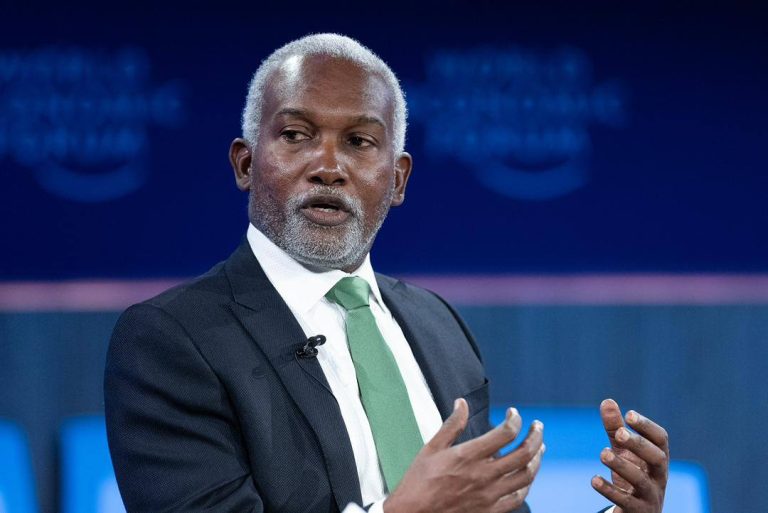
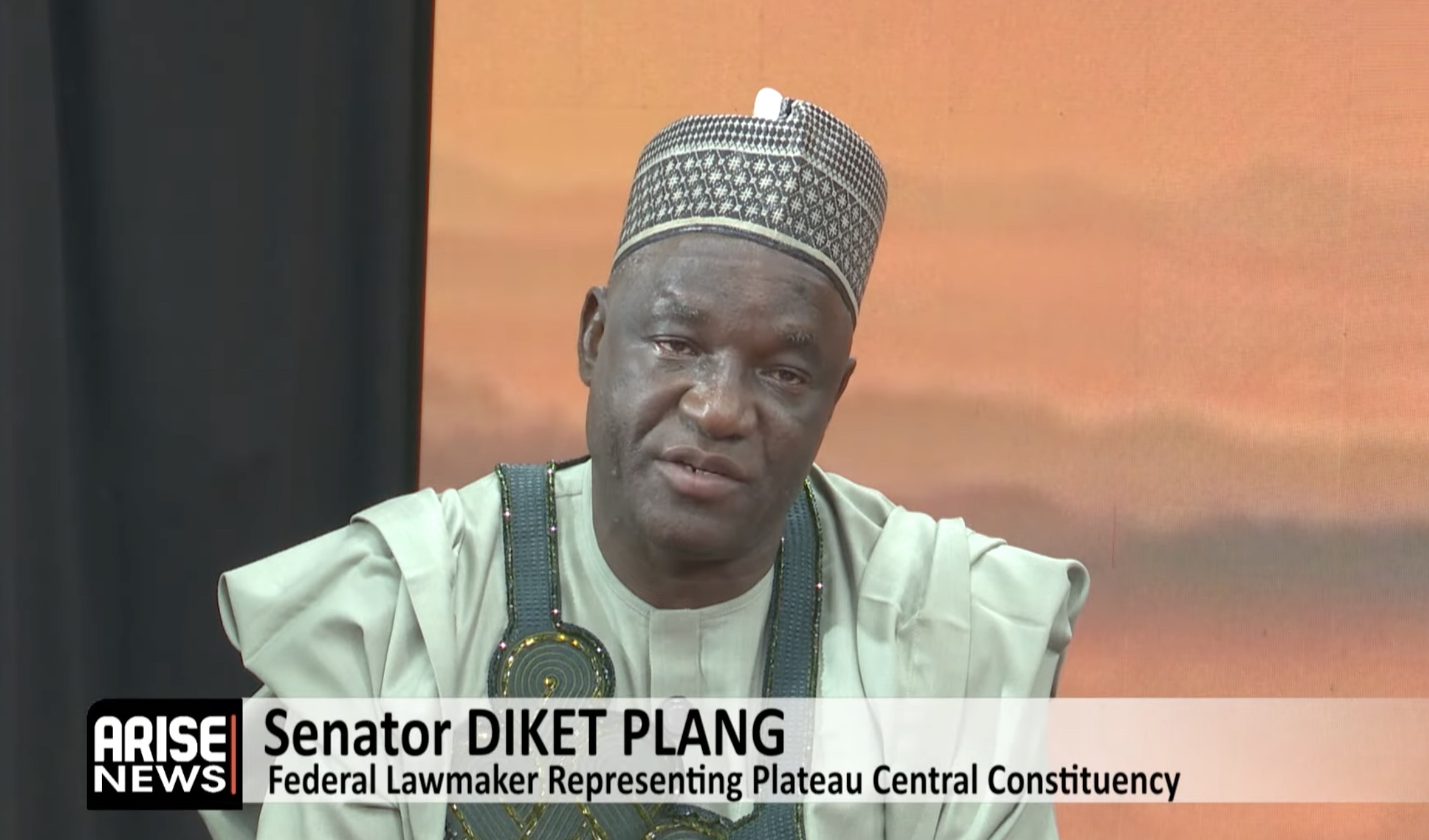
Senator Dickson Plang, the lawmaker representing Plateau Central Senatorial District, has said Nigeria’s fiscal transparency challenges stem largely from poor enforcement of existing laws rather than the absence of legislation, while defending the National Assembly’s oversight role amid concerns over budget transparency.
Speaking during an interview with Arise News on Thursday, Plang responded to questions on allegations of budget irregularities, the National Assembly’s oversight responsibilities, and broader concerns about fiscal accountability, insisting that lawmakers remain committed to ensuring transparency and accountability in public finance.
He rejected suggestions that the National Assembly had failed in its responsibility to promote transparency, pointing to recent legislative efforts aimed at strengthening oversight and accountability.
“I want to assure you that if you were around, particularly yesterday on the plenary session, you will find about two motions and a bill was brought to the National Assembly by the Chairman of the Senate Committee on Finance, Senator Sani Musa Mohammed.”

According to Plang, the National Assembly has the constitutional responsibility to conduct oversight, while implementation rests with the executive.
“I feel where we may be found wanting is the ability to ensure that our laws are enforced, enforcement of the law,” he said.
He noted that Nigeria already has several legal instruments designed to promote accountability, including the Public Procurement Act, Fiscal Responsibility Act and Freedom of Information Act, stressing that enforcement remains the major challenge.
“Because you have the Procurement Act, you have the Physical Responsibility Act, you have the Freedom of Information Act… you don’t expect us to execute, but you expect us to oversight.”
Addressing concerns over allegations that billions of naira were allocated to questionable projects and agencies, Plang acknowledged that the legislature was not infallible but said such controversies should strengthen future scrutiny.
“I would not like to stand before you and say that we are totally perfect,” he said.
“But I want to assure you that sometimes when issues like this come up, it gives you more possibility. It brings you to be more aware, to stand more firm.”
He added that standing committees of the National Assembly must carry out more rigorous verification of agencies appearing before them during budget consideration to prevent similar occurrences.
On criticism over the allocation of funds for palace projects despite Nigeria’s economic challenges, Plang argued that priorities differ across constituencies and communities.
He said traditional institutions remain important in many parts of the country, particularly given security concerns and their role in resolving local disputes, adding that oversight committees would ultimately determine whether appropriated funds were properly utilised.
Responding to concerns over allegations of unaccounted funds involving the Nigerian National Petroleum Company Limited (NNPC), Plang said investigations were already underway and cautioned against treating allegations as established facts.
“You have spoken about allegations. Allegations are subject to verification.”
He noted that the House of Representatives had constituted a committee to investigate the matter, while the Senate also has a standing committee handling issues relating to the NNPC, adding that lawmakers were awaiting the outcome of those investigations.
Plang also defended the National Assembly’s authority to summon agencies over financial accountability, arguing that the budgeting process is conducted publicly and that appropriated funds remain open to scrutiny by anti-corruption agencies and the public.
He maintained that the legislature would continue strengthening oversight while working with other institutions to improve fiscal accountability and transparency in Nigeria.
Ademide Adebayo