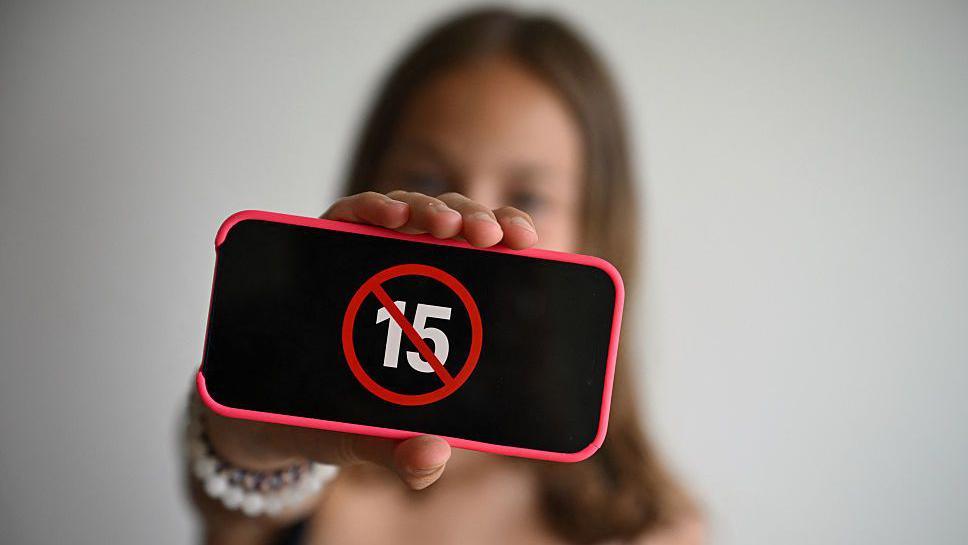
France’s parliament has approved legislation banning children under the age of 15 from accessing social media from January 2027, making the country the first in Europe to introduce such a nationwide restriction. The law also requires age verification for all social media users as part of efforts to address concerns about children’s mental health online.
The legislation was adopted on Tuesday by both the French Senate and the National Assembly despite opposition from some lawmakers on the left. It will be implemented in two phases, with new users under 15 barred from opening social media accounts from September, while mandatory age verification will be extended to all existing accounts from January 2027. Under the law, everyone in France will be required to prove they are at least 15 years old to access social media platforms.
French President Emmanuel Macron welcomed the legislation, which he had pledged to introduce before the end of his presidency.
Once the ban takes effect, social media companies will be required to use age-verification systems approved by France’s privacy regulator.
The legislation has, however, attracted criticism over privacy concerns, the reliability of age-verification technology, the possibility of children bypassing restrictions, and the pace at which the law was developed.
French Digital Minister Anne Le Hénanff defended the implementation timetable ahead of the parliamentary vote, saying it was possible “because age-verification tools already exist.”
France becomes the second country after Australia to introduce such restrictions. Australia banned children under 16 from social media in December, although many young users have continued accessing the platforms.
Australia’s eSafety Commission reported in March that seven out of 10 children under 16 who had social media accounts before the ban still had “some access.”
Commenting on Australia’s experience, Professor of Internet Studies at Western Australia’s Curtin University, Tama Leaver, told the BBC the ban has “failed” in its technical aims but demonstrated that such restrictions “can be done,” describing it as “a bit of an experiment.”
Leaver said one lesson for other countries is that “young people need to be part of this conversation” so that any ban is “done with them” and not “to them.”
He added that France’s approach may be more effective because it requires every user to verify their age, although he warned it could increase privacy risks. He also cautioned that the restrictions could push young people toward less-regulated online spaces while reducing their access to news and political engagement.
The French legislation comes as governments across Europe move toward tighter regulation of children’s access to social media. In June, former British Prime Minister Sir Keir Starmer announced plans to ban under-16s in the UK from social media from January 2027, while European Commission President Ursula von der Leyen proposed a “social media delay” for children across Europe and said new legislation could be introduced in the coming months.
Ademide Adebayo