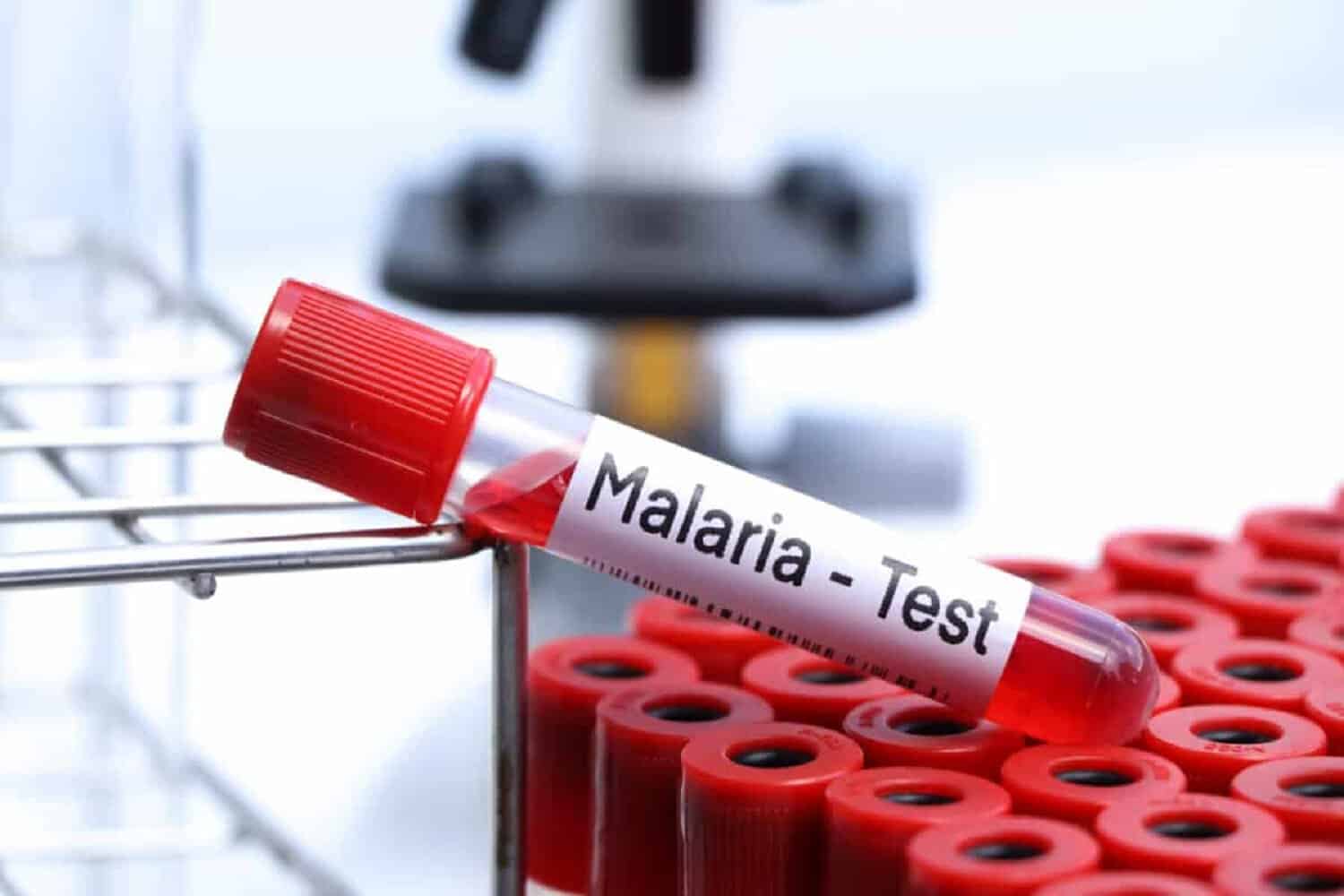
The Gauteng Department of Health (GDoH) has raised alarm over a sharp increase in malaria cases and related deaths across the province, urging residents to remain vigilant and seek early treatment.
Spike in infections and deaths
According to the department, malaria, a potentially life-threatening disease transmitted through the bite of an infected mosquito, continues to pose a serious public health risk.
Recent surveillance data shows a concerning upward trend. Between January and December 2025, Gauteng recorded 666 malaria cases and seven deaths.
However, in just the first three months of 2026, the province has already reported 414 confirmed cases and 11 deaths.
This marks a significant increase compared to the same period in 2025, when 230 cases and one death were recorded.
The department said the rise “underscores the urgent need for strengthened surveillance, early detection and prompt treatment to prevent loss of life”.
Travel linked to higher risk
Health officials attribute the spike partly to increased travel during the festive season, with many residents visiting malaria-endemic regions and returning infected.
“The upward trend signals heightened transmission risk, particularly in the early months of the year after the festive season, when many residents travel to malaria-endemic regions, increasing their exposure and risk of infection upon their return,” the department said.
Residents who have travelled to high-risk areas such as Limpopo, Mpumalanga, Mozambique, Zimbabwe and Malawi have been urged to be especially cautious.
Watch for symptoms
The department emphasised that malaria is both preventable and treatable, but delays in diagnosis can be fatal.
Residents are urged to seek immediate medical attention if they experience symptoms including fever, chills, headache and fatigue, especially after travelling.
“Preventive measures, including the use of insect repellent and wearing protective clothing, remain essential to reduce the risk of infection,” the department said.
World Malaria Day focus
As the global community prepares to mark World Malaria Day on 25 April 2026, the GDoH has called on residents to take proactive steps to protect themselves and their families.
“Continues to closely monitor the situation and is strengthening public health interventions to control the spread of malaria and reduce mortality across the province,” it said.