Cardoso attributes stronger reserve position to increased oil-related inflows as central bank tightens foreign exchange market oversight…..
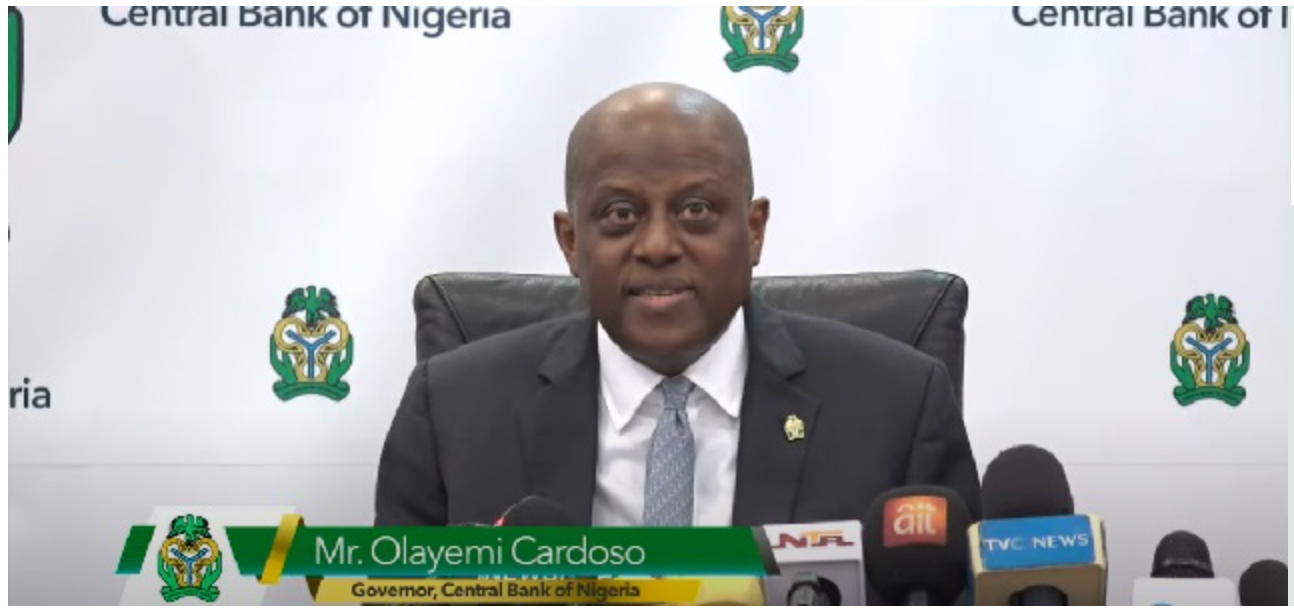
Governor of the Central Bank of Nigeria (CBN), Olayemi Cardoso, says the country’s gross external reserves have risen above $52 billion, driven by stronger inflows from crude oil-related taxes and other foreign receipts.
Speaking after the Monetary Policy Committee (MPC) meeting in Abuja on Tuesday, Cardoso said the reserves increased from $50.47 billion at the end of May to $52.52 billion as of July 17, 2026.
According to the CBN governor, the improvement reflects higher earnings from oil-related taxes as well as third-party inflows, strengthening Nigeria’s external position amid global economic uncertainties.
“The improvement in the reserve position underscores the resilience of the external sector and provides a stronger buffer against external shocks,” Cardoso said.
He added that the current reserve level is enough to finance approximately 11 months of imports of goods and services, significantly exceeding the international benchmark of three months’ import cover.
However, figures published on the Central Bank’s website appear to differ from the governor’s remarks. The data shows Nigeria’s external reserves at $51.94 billion on July 17, before rising to $52.02 billion by July 20, indicating a discrepancy between the official daily records and the figures presented during the MPC briefing.
The development comes as the apex bank continues efforts to strengthen the country’s foreign exchange market.
Earlier this month, the CBN introduced new operational guidelines for Bureau de Change (BDC) operators purchasing foreign exchange from authorised dealer banks. The framework, which took immediate effect, sets out stricter compliance requirements and introduces an electronic transaction portal aimed at improving transparency and oversight.
The guidelines implement the central bank’s February 10, 2026, directive that granted eligible BDC operators access to the official foreign exchange market through authorised dealer banks as part of ongoing FX market reforms.