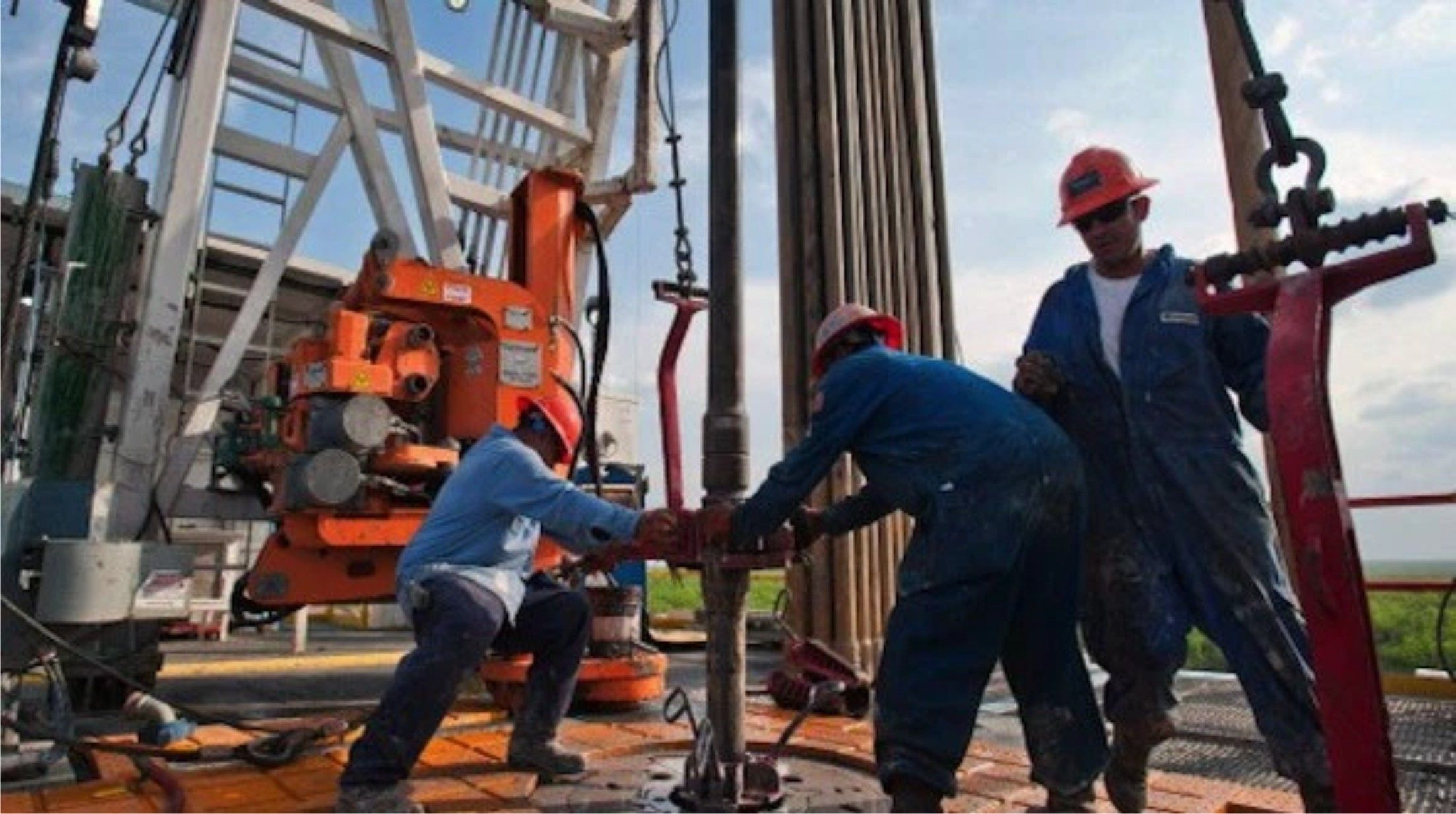
Indigenous producers move to expand output and seize new market opportunities amid global supply concerns and rising revenues…
Nigerian indigenous oil companies are accelerating drilling activities and production expansion projects as soaring global crude oil prices create fresh momentum for the country’s petroleum sector.
The surge in prices, largely driven by escalating tensions in the Middle East and disruptions linked to the Strait of Hormuz, is strengthening revenues for local upstream operators and encouraging renewed investment in near-term extraction projects.
Industry players say the current market conditions present one of the strongest opportunities in recent years for Nigerian producers to increase output, improve cash flow, and capture a larger share of the global energy market.
According to a Bloomberg report, several indigenous companies are already channeling increased earnings from higher oil prices into fresh drilling campaigns aimed at boosting production before the end of 2026.
The latest developments come as global supply concerns intensify following constraints around the Strait of Hormuz, a critical shipping route responsible for transporting a significant portion of the world’s oil and gas supplies.
As crude prices continue to climb, Nigerian producers are moving quickly to maximize gains from the tightening market.
Former Exxon Mobil manager in Nigeria, Wisdom Enang, described the current environment as a major opportunity for local operators to reposition themselves for growth.
“It’s a good planning meeting opportunity,” Enang said, adding that Nigeria’s smaller producers could collectively raise output by between 200,000 and 300,000 barrels per day before the end of 2026.
Among the companies ramping up production plans is Oando Energy Resources.
Chief Executive Officer Wale Tinubu disclosed that the company intends to increase production by 30 percent to approximately 42,500 barrels per day by the end of the year through additional drilling operations.
Tinubu also revealed that Oando is accelerating its long-term production strategy in response to the growing supply gap in the international market.
According to him, the company is fast-tracking a five-year expansion plan aimed at doubling output in order to take advantage of “the demand shortfall created by this conflict.”
Industry executives say elevated crude prices are not only improving profitability but also making new drilling projects commercially attractive again after years of underinvestment across Nigeria’s oil sector.
Nigeria’s petroleum industry has struggled for years with crude theft, pipeline vandalism, operational disruptions, and declining investment, factors that significantly weakened production capacity across the Niger Delta.
However, recent reforms introduced by President Bola Ahmed Tinubu’s administration appear to be improving investor confidence within the industry.
The Federal Government has rolled out several measures targeted at revitalising the sector, including tax incentives, faster contract approvals, and structural reforms within the Nigerian National Petroleum Company Limited (NNPCL).
At the same time, indigenous operators have continued to expand their influence by acquiring assets previously divested by international oil companies.
Oando Energy Resources notably strengthened its upstream portfolio after acquiring key assets from Italian energy giant Eni SpA in 2024.
Recent production data also suggests that Nigeria’s oil output is gradually recovering.
According to figures released by the Nigerian Upstream Petroleum Regulatory Commission (NUPRC), the country recorded a combined average daily production of 1.663 million barrels per day of crude oil and condensates in April 2026.
Several other indigenous firms are also moving aggressively to capitalize on the favorable market conditions.
Petralon Energy confirmed that it had accelerated plans to drill a third well after oil prices moved significantly above the company’s benchmark estimate of $65 per barrel.
The company’s Chief Executive Officer, Ahonsi Unuigbe, said Petralon expects production to increase by 56 percent to around 7,500 barrels per day before year-end.
Similarly, Pan Ocean Oil Corporation and Newcross Companies, which jointly produce approximately 48,000 barrels per day, disclosed that they have already reactivated two oil wells since the latest Middle East conflict began.
Finance Director Oluseyi Oladapo described the impact of rising crude prices on revenues as “materially positive.”
Executives within the sector also noted growing interest from Middle Eastern investors looking to tap into opportunities within Nigeria’s upstream oil industry as higher prices improve the sector’s attractiveness.
Nigeria remains Africa’s largest crude oil producer and continues to target higher production levels as part of broader economic and fiscal reforms designed to strengthen government revenues and stabilize the economy.
The Federal Government has also intensified security interventions in oil-producing communities while pushing additional regulatory reforms aimed at improving long-term investment across the sector.