The United States has confirmed three additional cases of New World screwworm, bringing the total number of reported infestations to five since the pest was first detected in a Texas calf last week.
The new cases have heightened concerns among ranchers and agricultural authorities as they race to contain the parasite, which has not been seen in the United States for six decades.
According to the US Department of Agriculture’s Animal and Plant Health Inspection Service (APHIS), the latest infestations were found in a calf in La Salle County, Texas, and a goat in Gillespie County, Texas. A fifth case initially reported in Texas was later reclassified after officials determined the infected dog resided in Lea County, New Mexico.
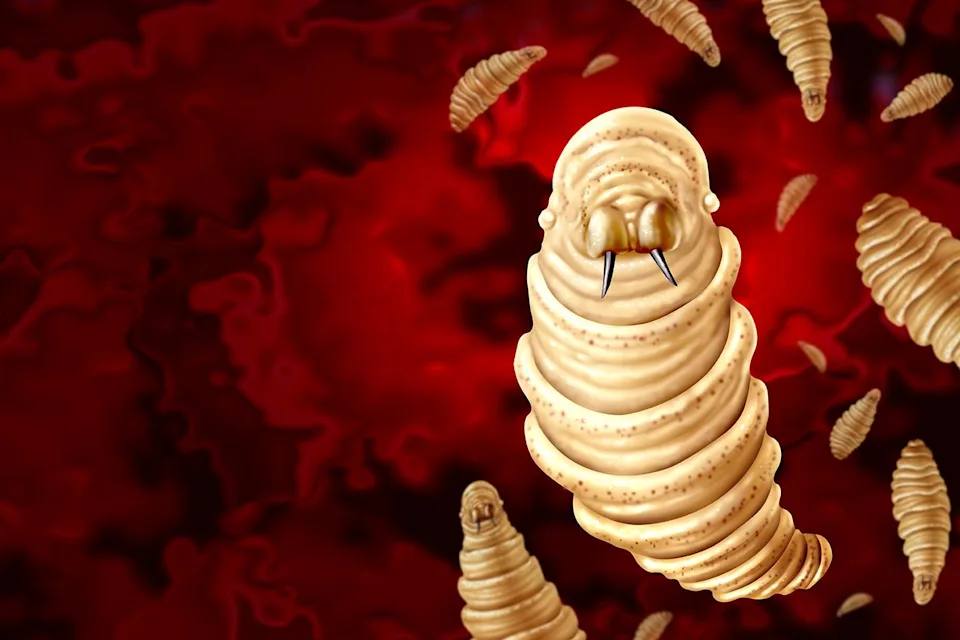
New World screwworm is considered one of the most destructive livestock pests because its larvae feed on the living tissue of warm-blooded animals, including cattle, sheep, goats, pets, wildlife and, in rare cases, humans. The infestation can cause severe wounds, suffering and significant economic losses.
Texas ranchers have been preparing for the pest’s arrival as it steadily advanced northward through Mexico over the past year. Experts have warned that a widespread outbreak could inflict as much as $1.8 billion in economic damage on Texas alone and threaten wildlife populations.
USDA Under Secretary for Marketing and Regulatory Programs, Dudley Hoskins, said investigations were continuing as authorities monitored the evolving situation.
“This situation is evolving, and we expect new information to emerge as our investigation continues,” Hoskins said.
US Agriculture Secretary Brooke Rollins announced that the department would soon begin awarding grants from a $100 million fund established to support screwworm control technologies.
Speaking alongside Greg Abbott in Texas, Rollins said she would visit Zavala County, where the first screwworm case was identified.
“We now know what the enemy looks like,” she said during a briefing focused on the outbreak response.
Despite federal assurances, some ranchers remain sceptical about the government’s preparedness and response efforts. Concerns have also been raised over staffing reductions within the USDA’s animal health division, although Rollins insisted those departures had not affected the agency’s ability to tackle the outbreak.
Erizia Rubyjeana