New agreement will connect telecom infrastructure to mini-grids, reduce diesel dependence and expand broadband access in underserved communities…..
The Nigerian Communications Commission (NCC) and the Rural Electrification Agency (REA) have entered into a strategic partnership aimed at powering telecommunications infrastructure with renewable energy as part of efforts to improve broadband access and lower operating costs across the country.
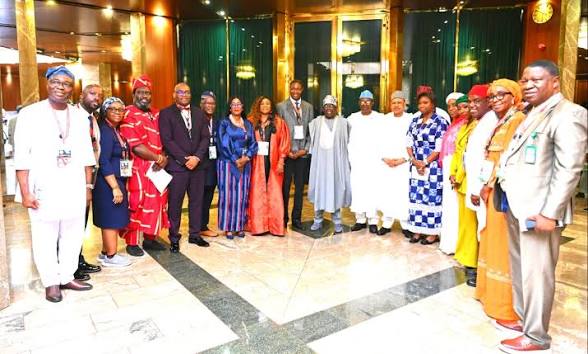
The partnership was formalised on Friday with the signing of a Memorandum of Understanding (MoU) during the NCC–REA Stakeholders Forum in Abuja.
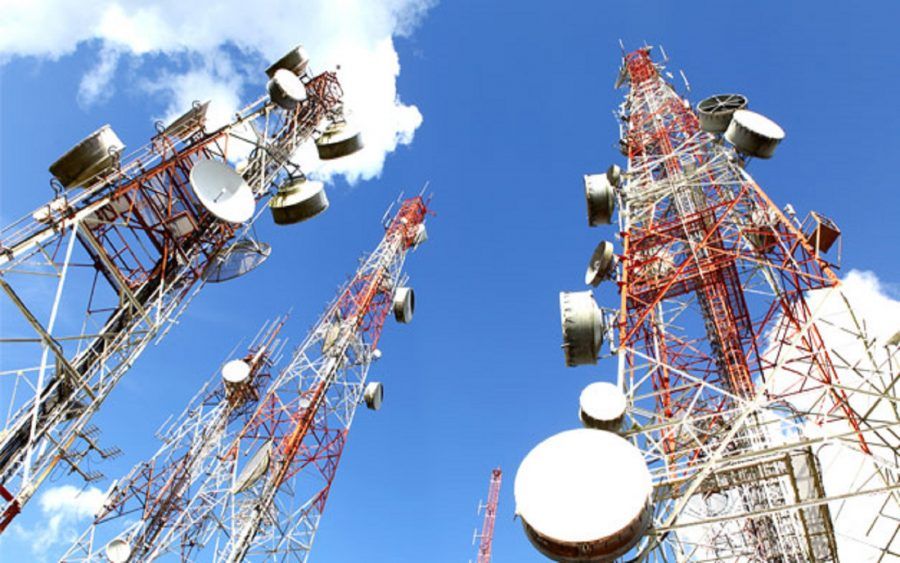
Under the agreement, telecommunications base stations will increasingly draw electricity from existing and planned renewable mini-grids, reducing operators’ dependence on diesel generators while extending network coverage to communities that remain underserved.
Speaking at the event, the Executive Vice Chairman of the NCC, Aminu Maida, described electricity and digital connectivity as two critical pillars of national development that must be developed together.
Represented by the Commission’s Executive Commissioner for Technical Services, Abraham Oshadami, Maida said sustainable telecommunications services cannot thrive without reliable power, just as communities with electricity cannot fully unlock economic opportunities without access to digital connectivity.
He noted that the collaboration would enable both agencies to coordinate infrastructure planning by combining renewable energy projects with telecommunications expansion, particularly in rural and hard-to-reach communities.
According to him, the NCC and REA will share geospatial data on existing and proposed projects to identify locations where broadband deployment and electrification efforts can be implemented simultaneously.
Maida explained that many communities lacking internet access are the same communities without reliable electricity, making a coordinated approach more efficient, cost-effective and sustainable than pursuing the two objectives independently.
As part of the initiative, telecommunications infrastructure including base stations and fibre repeater sites will be connected to renewable mini-grids where available. The partnership will also encourage the co-location of telecom equipment on energy infrastructure whenever feasible.
The NCC boss added that the agreement reflects the Commission’s evolving approach to regulation, stressing that achieving universal connectivity now requires collaboration beyond the telecommunications sector.
He said meaningful digital inclusion depends on coordinated investments in energy, infrastructure, finance and public policy rather than isolated interventions.
On the REA’s side, Executive Director of Technical Services, Umar Abdullahi, identified the rising cost of diesel as one of the biggest obstacles to expanding telecommunications services across Nigeria.
According to him, diesel expenses have significantly increased the cost of operating telecom towers, making it commercially difficult for operators to extend services into many rural areas.
Abdullahi described telecommunications towers as ideal customers for renewable mini-grids because of their predictable, round-the-clock electricity demand, adding that replacing diesel with clean energy would benefit both telecom operators and electricity providers.
He disclosed that technical teams from both agencies had already completed a mapping exercise comparing the locations of telecom base stations with REA’s mini-grid projects to identify priority areas for implementation.
The analysis, he said, has revealed several locations where existing or planned renewable energy infrastructure can immediately support nearby telecommunications facilities.
Speaking after the signing ceremony, Abdullahi confirmed that priority sites have already been selected for the transition of diesel-powered telecom towers to renewable energy, noting that the move will lower operating costs while improving network coverage.
Oshadami also said the impact of the agreement would begin to materialise almost immediately, as telecom facilities located close to existing mini-grids are expected to benefit first, with future projects incorporating the same model.
Presenting the implementation roadmap, the Special Adviser (Technical) to the NCC Executive Vice Chairman, Umar Sani-Abdullahi, said the agencies have completed site assessments, developed a digital monitoring dashboard and confirmed the commercial viability of the project.
He explained that the next phase of implementation will focus on pilot projects, performance monitoring and the standardisation of operational data to ensure smooth execution.
Sani-Abdullahi expressed optimism that the initiative would significantly expand electricity and internet access in underserved communities while delivering broader economic and social benefits. He added that the model could eventually serve as a template for other African countries seeking to advance renewable energy adoption alongside digital connectivity.