
The Uganda Medical Association (UMA) has rejected a government proposal to provide lunch to medical interns instead of the monthly Shs 1 million internship allowance.
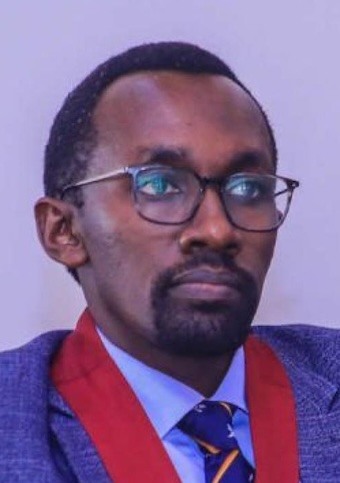
Speaking to URN, UMA president Dr Frank Asiimwe said intern doctors require more than a single meal, noting that they also need support for breakfast, dinner, transport and healthcare.
Asiimwe argued that interns are officers on probation and should be paid at least 75 per cent of the salary earned by fully qualified medical officers.
He further dismissed suggestions that interns can rely on meals provided at health facilities, saying such arrangements are inadequate for the demands of their work.
In Mulago National Referral Hospital, Asiimwe said interns are often told to eat food intended for patients, yet all interns deserve support regardless of whether they pursued their medical education through government sponsorship or private funding.
The comments come after Health minister Dr Chris Baryomunsi revealed that Cabinet had directed the Ministry of Health to assess the financial implications of providing lunch to the approximately 2,000 medical interns deployed annually.
Speaking during a ministerial handover ceremony at the Ministry of Health headquarters on Wednesday, Baryomunsi said government-sponsored students would continue to undertake internship with full government support.
However, he said government was considering providing lunch only to graduates from private institutions to enable them complete their internship without disruption.
“We are going to sit and work out the financial implications. From the side of the Cabinet, that’s how it reads. The allegation that the government has scrapped facilitation for interns is not that accurate,” Baryomunsi said.
The government’s proposal follows the introduction of the new National Education and Training for Health Policy, which takes effect in August and abolishes internship allowances.
The policy introduces a number of reforms, including integrating a one-year supervised internship into academic degree programmes and enforcing a mandatory “no internship, no graduation” requirement, effectively extending the duration of medical training.
While several aspects of the policy have attracted limited opposition, the decision to abolish internship allowances has drawn criticism from medical professionals and members of the public.
Previously, medical interns received about Shs 2.4 million per month before the allowance was reduced to Shs 1 million. Critics argue that scrapping the allowance altogether amounts to exploitation given the demanding nature of internship work.
The issue was also raised in Parliament on Wednesday by the Leader of the Opposition, Joel Ssenyonyi. He noted that medical interns form a critical part of Uganda’s public healthcare system, often working shifts lasting between 36 and 48 hours while providing essential services in health facilities.
He questioned the decision to withdraw financial support for interns and pointed to government’s recent suspension of national public holiday celebrations as a cost-saving measure.
According to Ssenyonyi, funds that had been allocated to the celebrations, estimated at Shs 24 billion, could instead be redirected to support medical interns.
The debate over intern facilitation continues as stakeholders call on government to reconsider the policy and ensure that medical interns receive adequate financial and welfare support during their training.