Parliament’s Portfolio Committee on Human Settlements has reiterated its concerns about the quality and reliability of data contained in the National Housing Needs Register (NHNR), warning that shortcomings in the system continue to undermine effective planning and housing delivery.
Citing unreliable data collection processes, inconsistencies and misalignments within the register, the committee also raised concerns that the demand for housing continues to outstrip the department’s capacity to provide adequate housing.
Unreliable data capture tool
On Wednesday, 10 June 2026, the committee raised these concerns during an engagement with the Department of Human Settlements regarding the register and discussed challenges related to upgrades and relocation strategies.
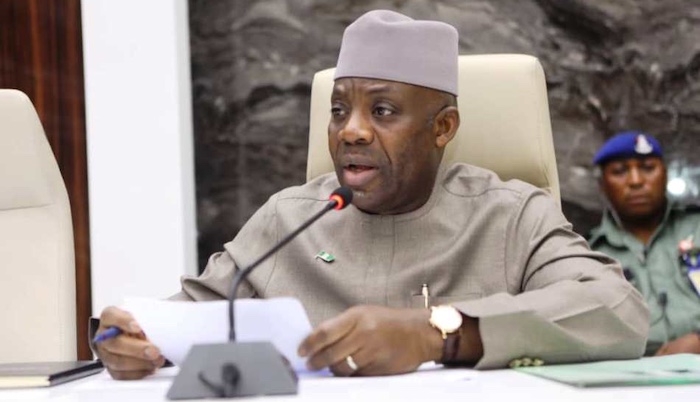
“The NHNR is an important tool to ensure evidence-based planning by municipalities and provinces, improve beneficiary management, and promote transparency and fairness,” said the chairperson of the committee, Nocks Seabi.
The committee noted the absence of a standardised data-capturing tool to ensure consistency across municipalities and provinces.
“These important pillars are undermined if the data quality and reliability is questionable,” he added.
According to the committee, inconsistent data collection practices reduce the register’s usefulness and weaken its effectiveness as a planning tool.
Inconsistent use of register
Additional concerns were raised about the inconsistent use of the register. This comes after previous meetings held during the entities’ 2024-25 audit outcomes, in which the Office of the Auditor General identified various approaches to housing needs assessments.
It was also noted that some provinces rely on waiting lists, community engagements and council-generated lists, rather than the register.
The committee warned that such inconsistencies expose beneficiary management systems to fraud and corruption.
It also emphasised the need for a fully automated and integrated beneficiary management system that would ensure a fair, transparent and accountable process, from needs identification through to housing allocation.
Misalignments on register
Concerns were also raised about the misalignment between the register and the Housing Subsidy System (HSS).
Seabi emphasised the large gap between those registered and those approved, amplifying the urgent need to strengthen beneficiary verification processes and improve alignment between the NHNR and HSS.
“While around four million individuals are registered on the NHNR, only 523 483 applicants have been approved through the HSS,” Seabi noted.
He said that this clearly needs to improve to ensure the demand turns into actual housing opportunities for those in need.
Housing Advancements
The committee then approved the Department of Human Settlements and the State Information Technology Agency’s efforts for the proposed advanced stage of the development of digital platforms that aim to address the current challenges faced by local communities.
The committee also agreed to schedule a follow-up briefing to receive progress updates on the initiative.
It also welcomed the broad policy reforms and interventions being implemented by the department for informal settlement upgrades and strategies to relocate the unhoused.
However, the committee stressed the importance of strengthening engagement with affected communities to ensure a better overall understanding of processes, timelines, and constraints.
Community Engagements
The committee also noted that communities should be adequately informed about challenges like the availability of suitable and geotechnical conditions that may delay projects.
Seabi stated that improved community engagement will ensure that projects are started timeously and completed.
“In cases where there are challenges with soil quality, communities must be engaged and informed to enable a speedy turnaround of the upgrading process,” Seabi concluded.