The United States has imposed a 25% tariff on most imports from Brazil, escalating trade tensions between the two countries after negotiations failed and concluding a year-long investigation into what Washington described as unfair Brazilian trade practices.
The tariffs, imposed under Section 301 of the Trade Act of 1974, will take effect on July 22 and apply to most Brazilian imports, although products including beef, orange juice, aircraft and aircraft parts, as well as energy products, have been exempted.
According to the Office of the US Trade Representative (USTR), the measures target a range of Brazilian policies, including court orders directing American technology companies such as X, Meta and Google to remove political content and suspend accounts belonging to US residents, preferential tariff treatment for Mexico and India, inadequate intellectual property protection, and restrictions affecting ethanol market access.
The USTR said the additional tariffs were necessary to ensure a level playing field for American workers and businesses.
“The extra tariffs are necessary to level the playing field for American workers and companies,” the agency said in a statement.
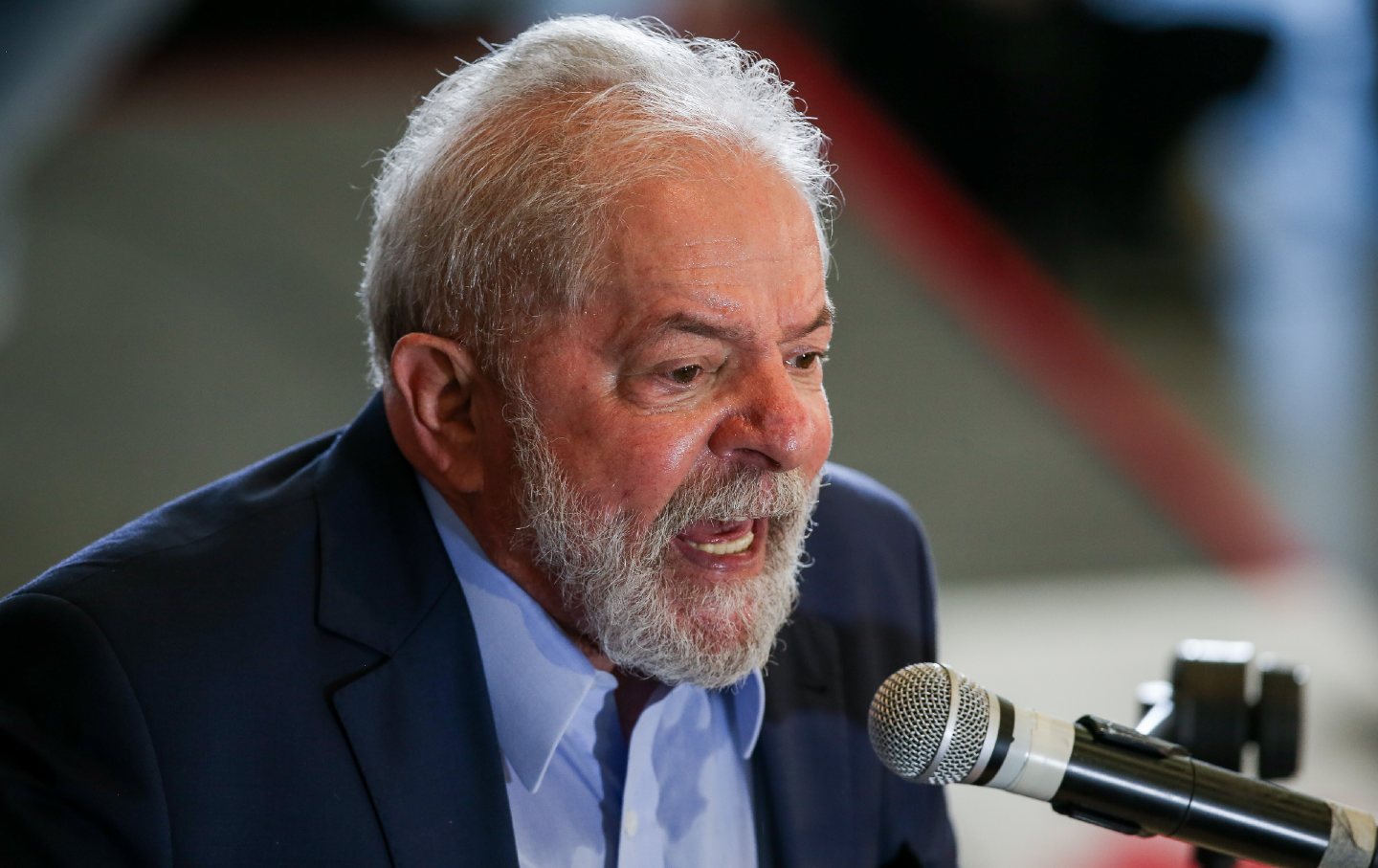
Brazilian President Luiz Inacio Lula da Silva swiftly condemned the decision, describing it as unjustified and announcing plans to retaliate while seeking redress through the World Trade Organization (WTO).
In a statement posted on X, Lula said there was “no justification for unilateral measures,” arguing that US government data showed Washington had accumulated a $424.5 billion surplus in goods and services trade with Brazil over the past 15 years.
He noted that the US recorded a $14.4 billion goods trade surplus with Brazil last year, more than double the figure recorded the previous year.
Lula pledged that Brazil would adopt countermeasures against the tariffs and challenge the action under the WTO’s dispute settlement mechanism.
The latest tariffs come months after the US Supreme Court, in February, struck down President Donald Trump’s earlier 50% tariffs on Brazilian goods, leaving only a 10% global tariff in place.
Seeking to restore his authority to impose higher duties, Trump launched Section 301 investigations, which allow the US president to levy tariffs on countries deemed to have engaged in unfair trade practices without requiring additional congressional approval.
US Secretary of State Marco Rubio blamed Brazil for the collapse of negotiations, accusing Lula’s administration of refusing to negotiate sincerely.
In a post on X following the announcement, Rubio said Lula’s government had “not negotiated in good faith” and argued that the tariffs were the consequence of the Brazilian president “putting his own ego ahead of making a deal.”
The announcement followed months of diplomatic engagement, including several high-level meetings between Brazilian officials and representatives of the US Trade Representative in recent weeks.
Lula had previously warned that Brazil would reject what he described as unfair treatment after Trump proposed the additional 25% tariffs last month.
Meanwhile, Brazil could face even steeper duties as a separate US investigation into forced-labour enforcement is expected to conclude next week. That probe could result in an additional 12.5% tariff on Brazilian goods, raising the total duty on affected imports.
The trade dispute has also become a political issue ahead of Brazil’s presidential election in October.
Lula has accused Senator Flavio Bolsonaro of contributing to the tariff decision following his visit to Washington. The senator denied the allegation, saying his objective was to persuade the Trump administration to postpone the tariffs until after Brazil’s election.
Boluwatife Enome