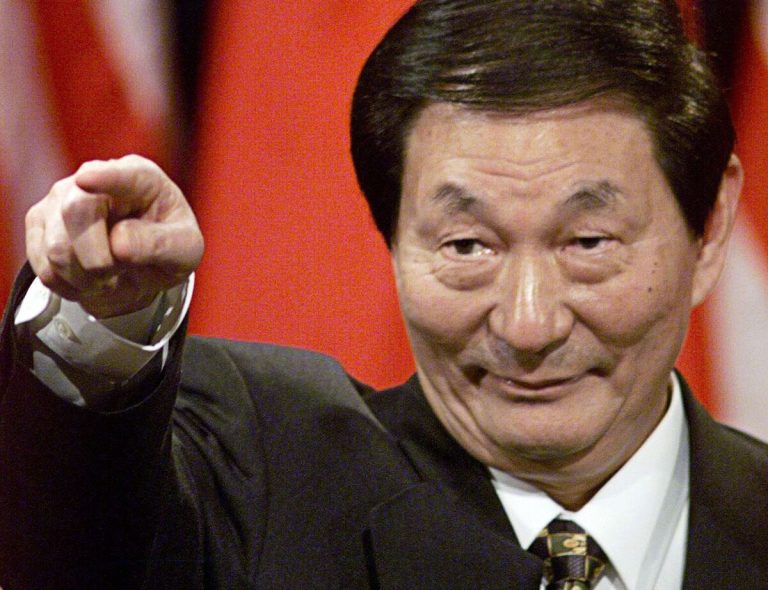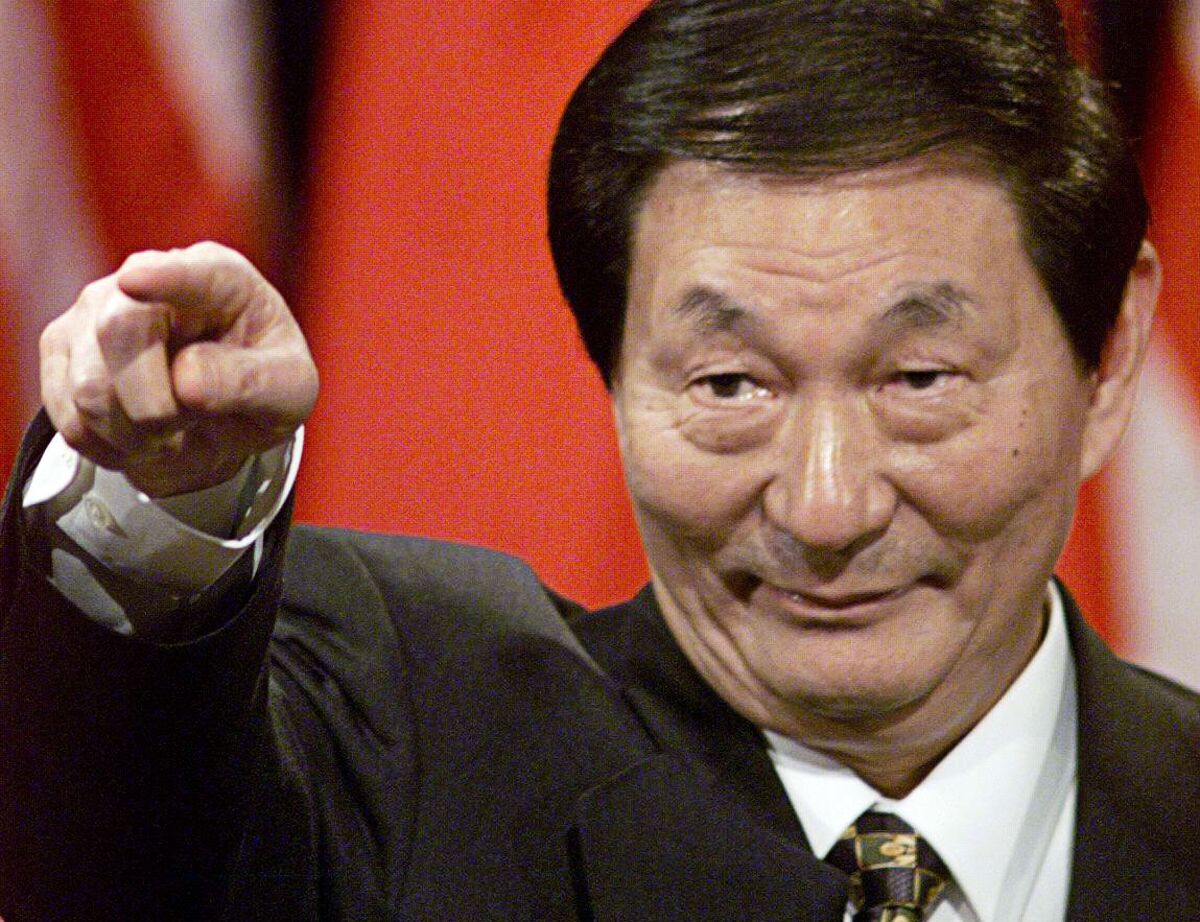
Former Chinese Premier Zhu Rongji, one of the key architects of the country’s economic transformation, has died at the age of 97.
Chinese state media reported that Zhu died in Beijing on Wednesday morning after medical treatment failed to save him. His death was subsequently announced in an obituary issued jointly by China’s top political institutions.
Zhu served as premier from 1998 to 2003, taking charge during a crucial period when China was rapidly shifting towards a more market-oriented economy and expanding its role in global trade.
Known for his direct and forceful leadership style, Zhu pursued sweeping economic reforms aimed at restructuring state-owned enterprises, strengthening government finances and expanding private ownership.
Driving China’s Economic Transformation
Among Zhu’s most significant initiatives was a broad restructuring of inefficient state-owned companies, a politically difficult programme that resulted in large-scale changes across China’s industrial sector.
He also promoted reforms in the housing sector, helping accelerate the transition from state-provided accommodation towards private home ownership.
As premier, Zhu played a major role in preparing China for deeper integration with the global economy. One of the defining achievements of his administration was China’s accession to the World Trade Organization in 2001, a move that helped open the country further to international trade and investment.
His policies were credited with helping lay important foundations for the extraordinary economic expansion that followed in the years after his tenure.
From Shanghai to Beijing
Before becoming premier, Zhu had already established himself as a prominent economic reformer during his tenure as mayor of Shanghai.
He later served as vice-premier from 1991 until 1998, overseeing important areas of economic policy before succeeding Li Peng as premier.
Zhu’s reputation for tackling difficult economic problems earned him both admiration and criticism. He was particularly associated with efforts to rein in economic overheating, reform the banking and financial system and confront corruption and inefficiency within government and state-owned enterprises.
His forthright personality also distinguished him from the more reserved leadership style traditionally associated with China’s senior officials.
A Lasting Economic Legacy
Although Zhu left office more than two decades ago, his influence remains closely associated with the period in which China accelerated its transition from a largely state-directed economy into a major force in global commerce.
His reforms were not without social costs, particularly for workers affected by the restructuring of state-owned enterprises, but they helped reshape China’s economic institutions and contributed to the country’s growing integration with the world economy.
Zhu’s death marks the passing of a prominent figure from one of the most consequential periods in modern Chinese economic history.
He leaves behind a legacy defined by ambitious market reforms, global economic integration and a determined effort to modernise one of the world’s largest economies.