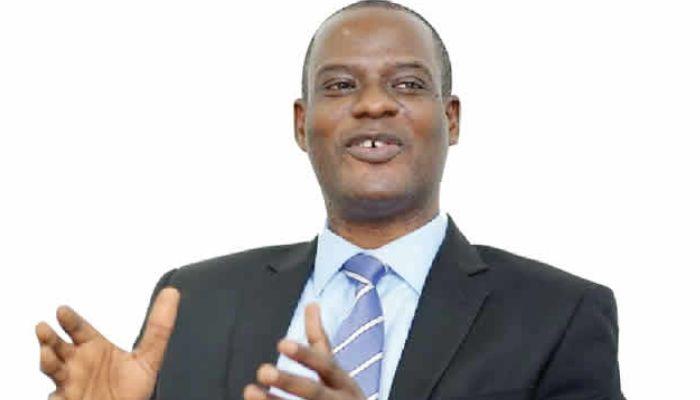
Finance Minister says new indicators will track whether Tinubu administration’s policies are improving Nigerians’ living standards……
The Federal Government has announced plans to introduce a new scorecard that will measure the impact of its economic reforms on the welfare of Nigerians by tracking poverty levels, income growth and inequality.
Minister of Finance and Coordinating Minister of the Economy, Taiwo Oyedele, disclosed the plan while speaking at a conference organised by BusinessDay newspaper in Lagos on Thursday.
According to Oyedele, the initiative is designed to provide a clearer picture of whether the government’s economic reforms are translating into tangible improvements in the lives of citizens, amid growing concerns over the rising cost of living.
He explained that the government will evaluate what it describes as “shared prosperity” using three key indicators: reductions in multidimensional poverty, growth in real income per capita and a decline in income inequality.
The proposed scorecard comes as the Tinubu administration faces increasing pressure to demonstrate that its economic reforms are delivering benefits beyond improvements in fiscal and macroeconomic indicators.
Since 2023, the Federal Government has implemented major policy changes, including the removal of fuel subsidies and the liberalisation of the foreign exchange market. While the reforms have received support from international lenders and investors, they have also contributed to higher inflation and increased living costs for many Nigerians.
In June, the International Monetary Fund (IMF) acknowledged that Nigeria’s reforms were helping to strengthen investor confidence and improve economic stability. However, the Fund also noted that about 63 per cent of Nigerians remain in poverty, with millions continuing to face food insecurity.
The reform programme has also attracted criticism over allegations of corruption and concerns about government spending outside approved budgets, prompting questions about whether citizens’ sacrifices are being matched by stronger fiscal discipline.
Despite those concerns, Oyedele maintained that the economy is showing signs of improvement.
According to him, inflationary pressures are beginning to moderate, the foreign exchange market has become more stable and investor confidence is gradually returning.
He, however, stressed that achieving macroeconomic stability alone would not be enough to guarantee better living conditions for Nigerians.
“A stable economy can still be a stagnant one if we become complacent,” the minister said.
Oyedele added that the Ministry of Finance will be responsible for compiling and publishing the new scorecard but did not indicate when the first report would be released or how often the indicators would be updated.