The federal government has invited Nigerians to submit memoranda and policy proposals on the proposed National Policing Bill as part of efforts to establish a comprehensive legal and operational framework for state policing across the country.
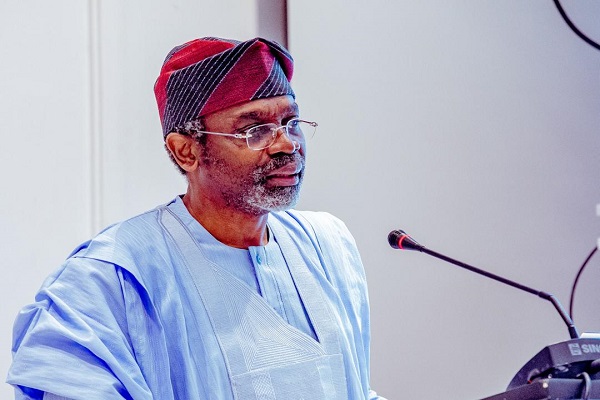
The invitation was announced on Monday by the Chief of Staff to the President and Chairman of the Presidential Working Group on the National Policing Bill, Femi Gbajabiamila, after the group’s meeting at the State House in Abuja.
According to a statement posted on the official X handle of the Special Adviser to the President on Information and Strategy, Bayo Onanuga, the Working Group is reviewing the Police Act 2020, the Police Service Commission framework, police regulations and other relevant laws to support the development of an effective and modern policing system.
Gbajabiamila said the proposed framework would establish national minimum standards for policing, define state readiness and certification requirements, clarify jurisdictional responsibilities, provide for independent oversight, protect human rights, ensure sustainable funding and set out an orderly transition to a dual-policing structure.
He announced that the call for memoranda would remain open for two weeks to enable citizens, civil society organisations, security agencies, professional bodies, academics, state and local governments, and other stakeholders to make contributions.
According to him, all submissions will be reviewed and incorporated into the draft bill before it undergoes further national consultations ahead of its transmission to the National Assembly.
The Working Group also adopted a seven-week work plan running from July 27 to September 14, 2026, with the draft Executive Bill scheduled to be presented to President Bola Tinubu on September 3, before wider national consultations and final approval.
The proposed legislation will establish the legal framework for recruitment, training, oversight, funding and transition arrangements for state police services, while ensuring accountability and operational effectiveness nationwide.
Gbajabiamila stressed that states seeking to establish their own police services must satisfy strict operational requirements before receiving approval.
“A proposed State Police Service must demonstrate that it has credible arrangements for recruitment, vetting, training, pay, pensions, equipment, custody, complaints, discipline, data, firearms control, independent oversight and financial sustainability before it begins policing,” he said.
Speaking at the meeting, the representative of the Nigeria Governors’ Forum and Governor of Ogun State, Dapo Abiodun, described the establishment of state police as one of the defining reforms of the Tinubu administration.
Abiodun dismissed concerns that the federal government intended to control state police formations, explaining that the proposed legislation was designed solely to provide an operational framework rather than centralise control.
Also speaking, the Attorney-General of the Federation and Minister of Justice, Lateef Fagbemi, said the National Policing Bill is intended to guarantee the security of lives and property while preventing the misuse of state police for political persecution.
He added that states not immediately prepared to establish their own police services would continue to rely on the Nigeria Police Force until they meet the prescribed standards.
Other participants at the meeting included the Inspector-General of Police, Tunji Disu; President of the Nigerian Bar Association, Afam Osigwe; Chairman of the Policy Advisory Committee, Justice Abdullahi Liman (retd.); Head of the Nigeria Police Reform Secretariat, Professor Olu Ogunsakin; Senior Special Assistant to the President on Planning and Research, Nnadubem Moghalu; and Brigadier General Olutayo Muyiwa Adesuyi, representing the National Security Adviser.
Boluwatife Enome