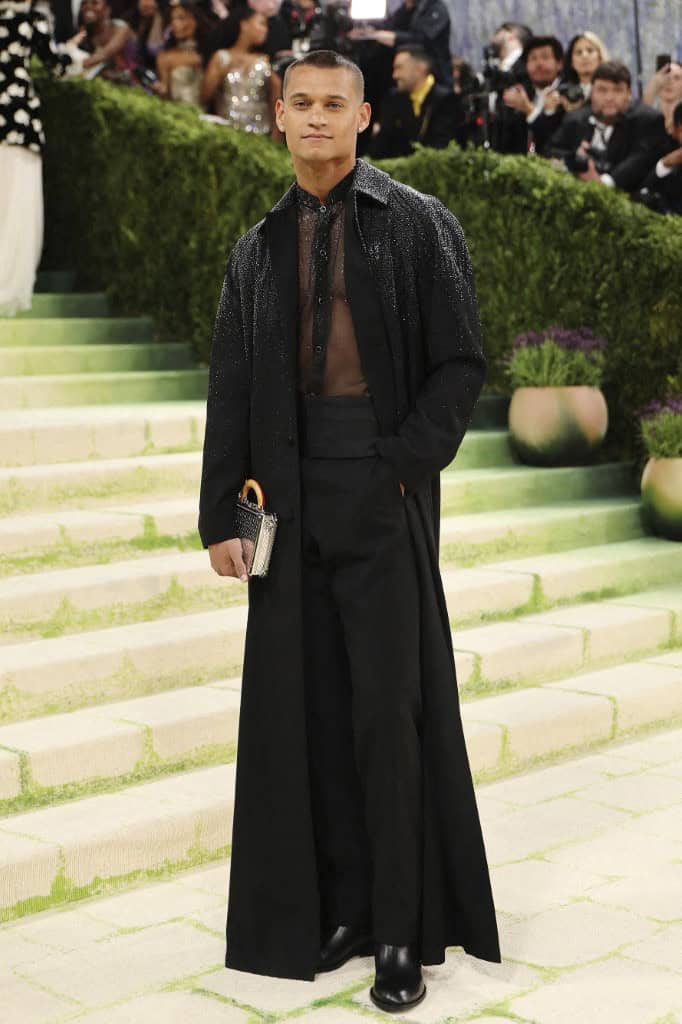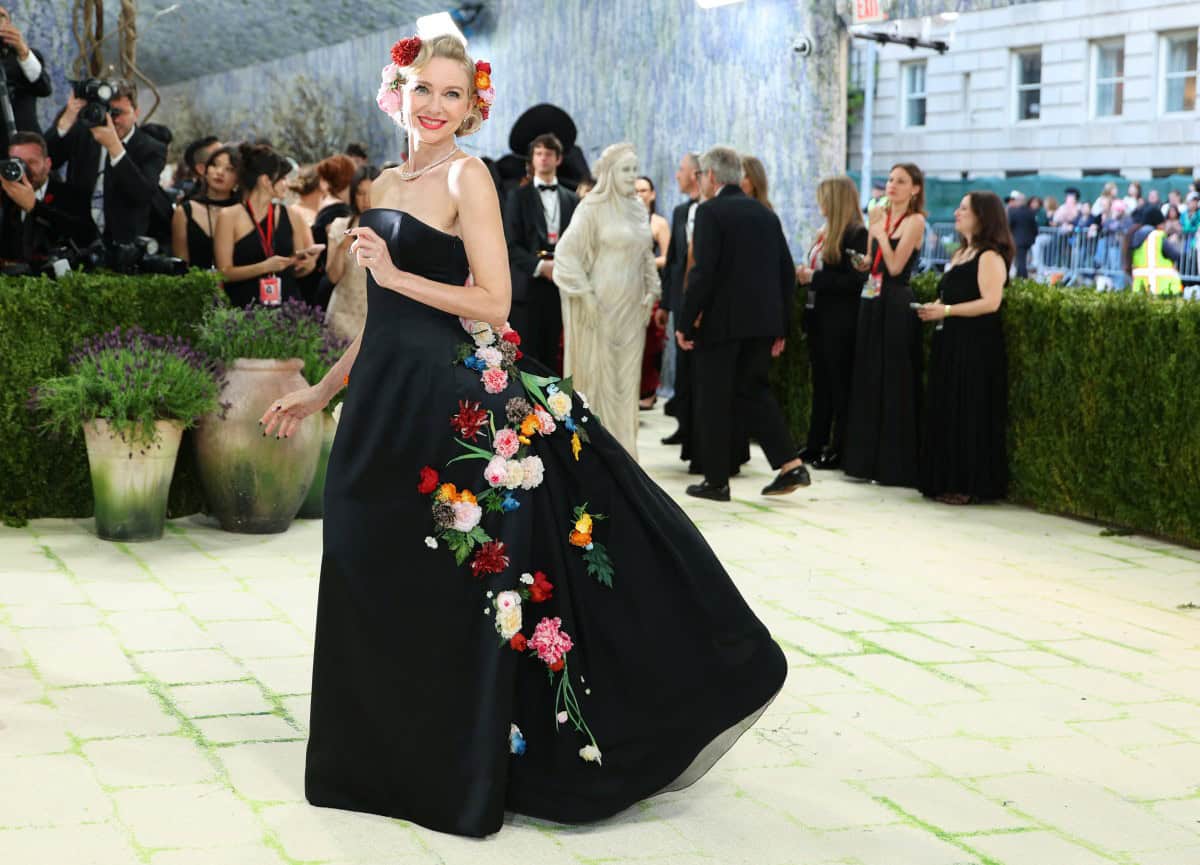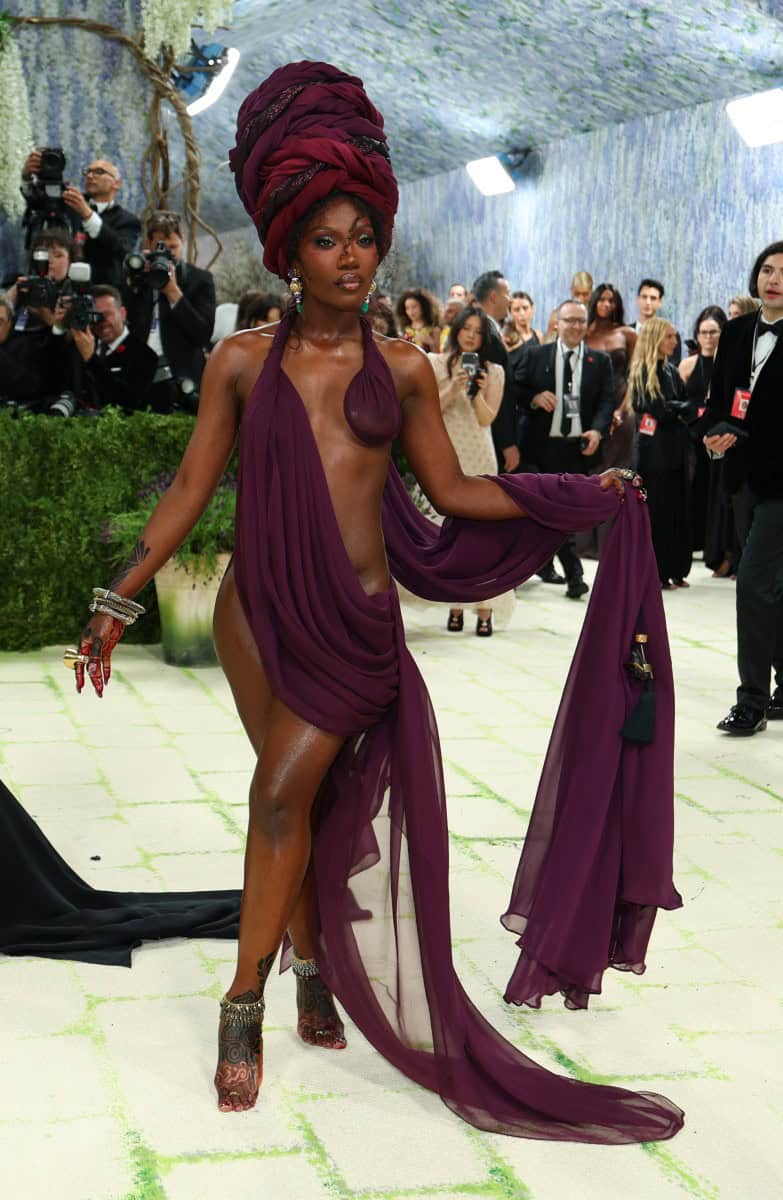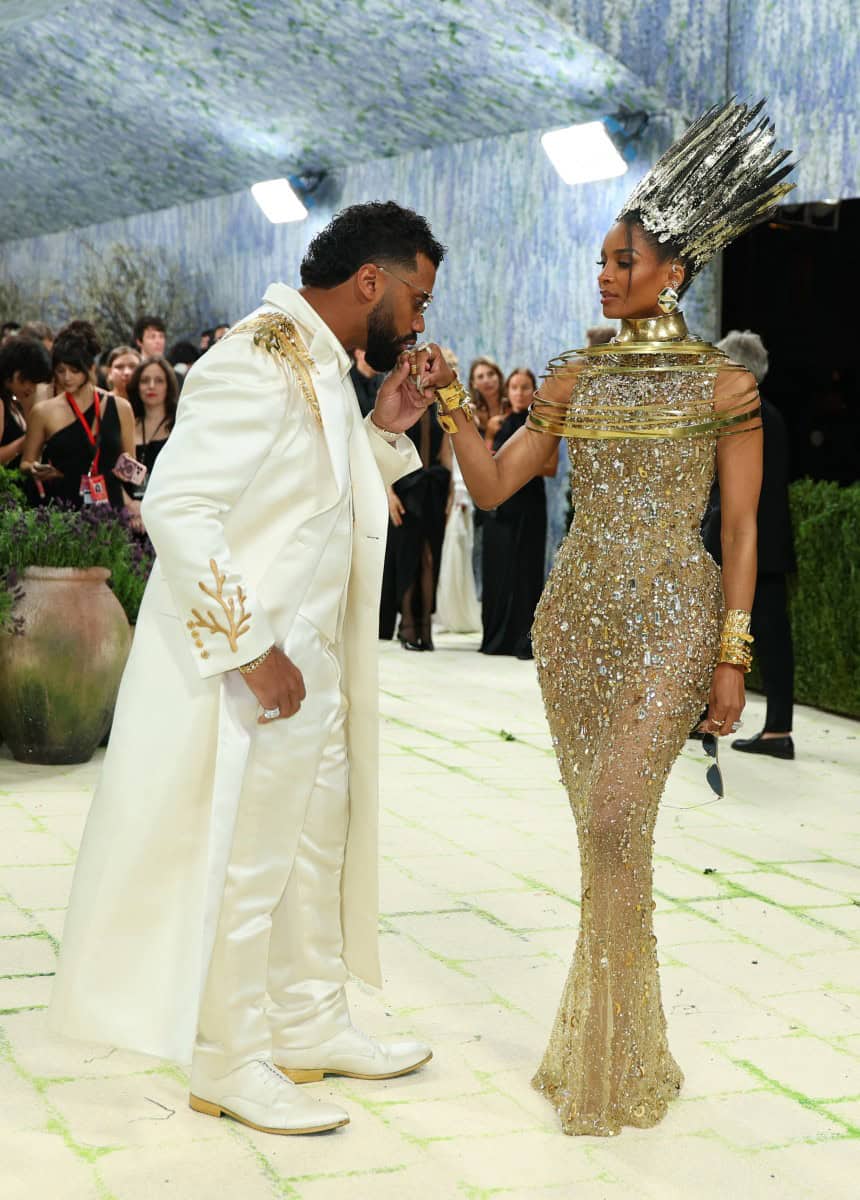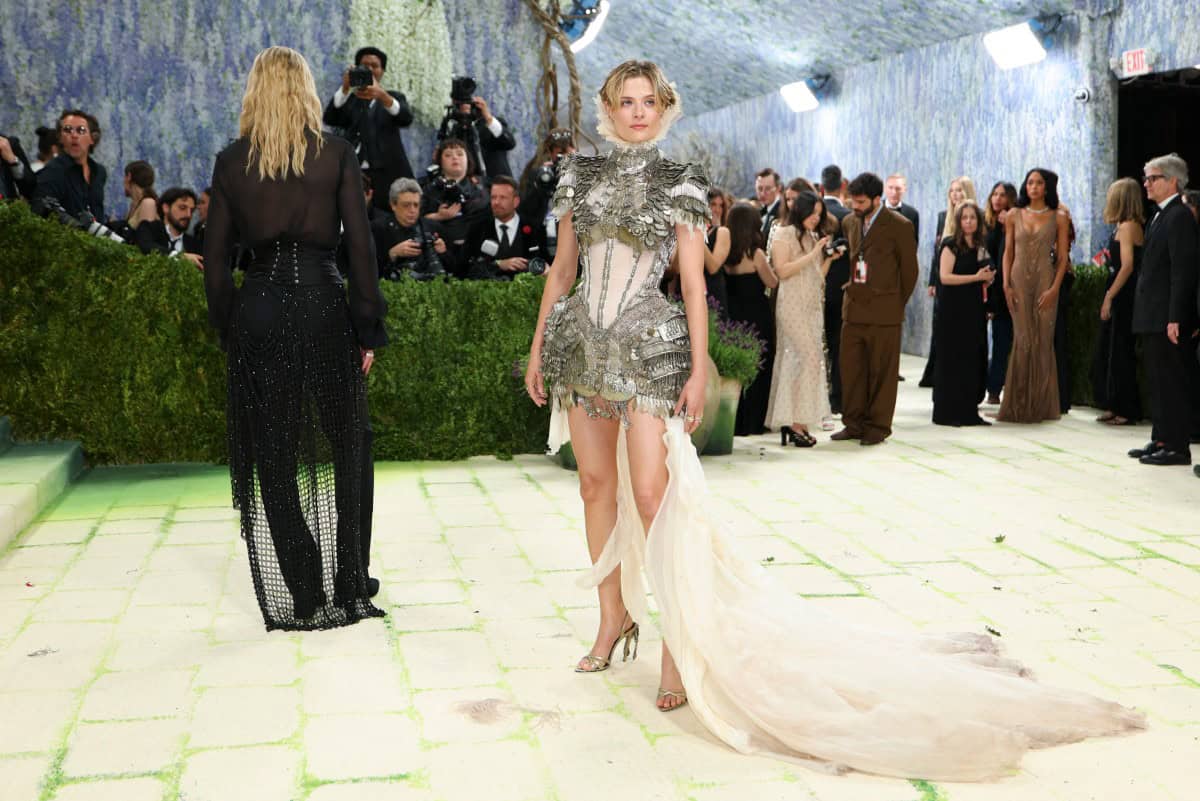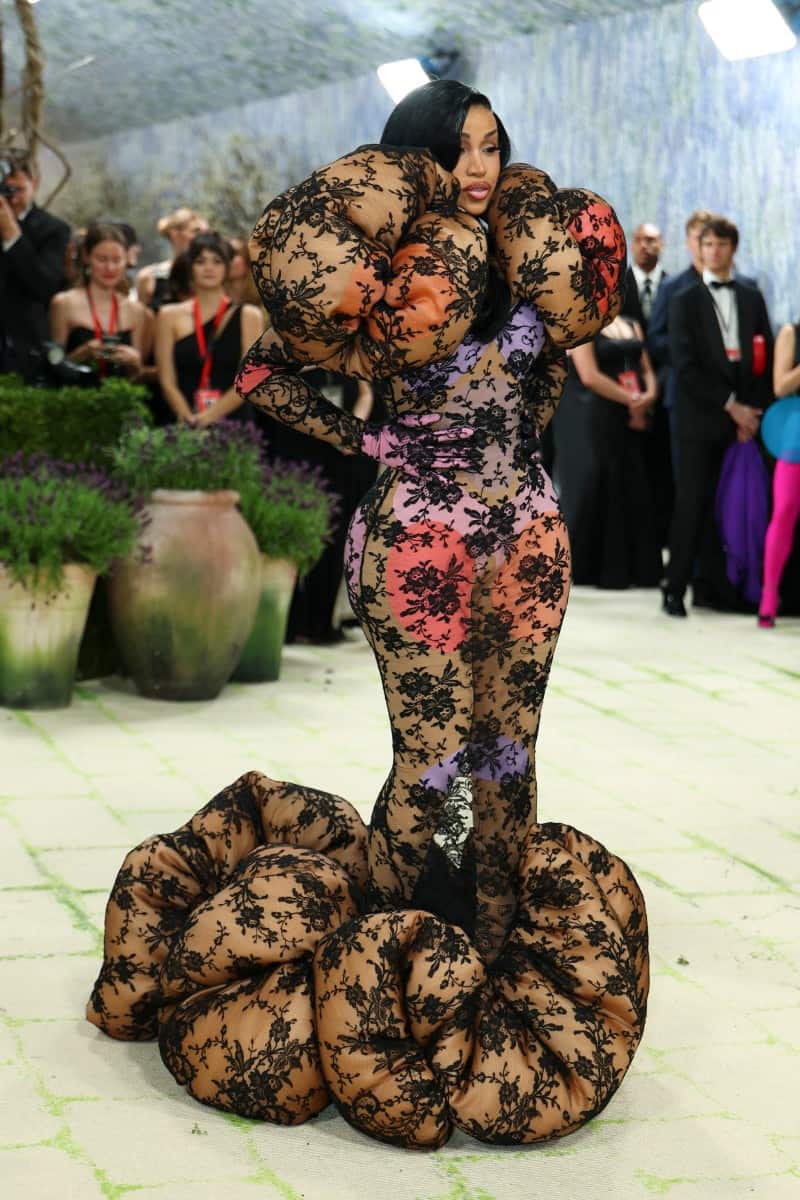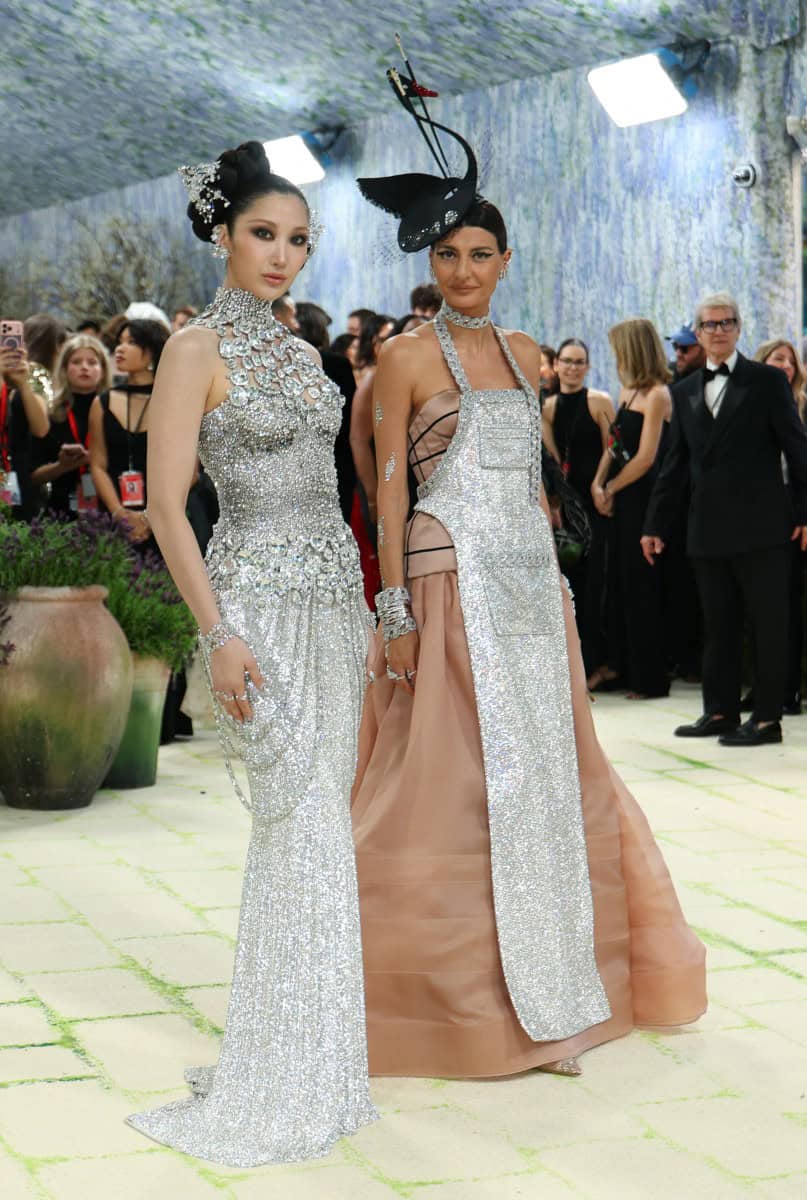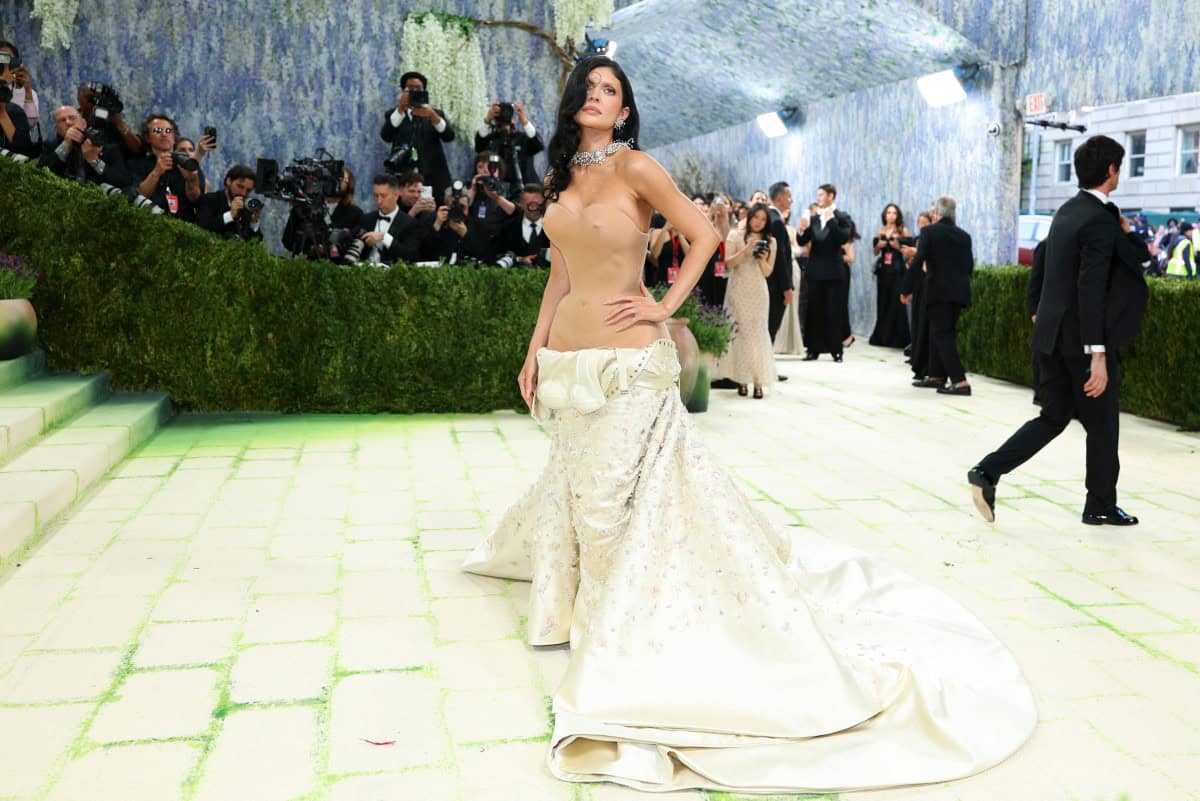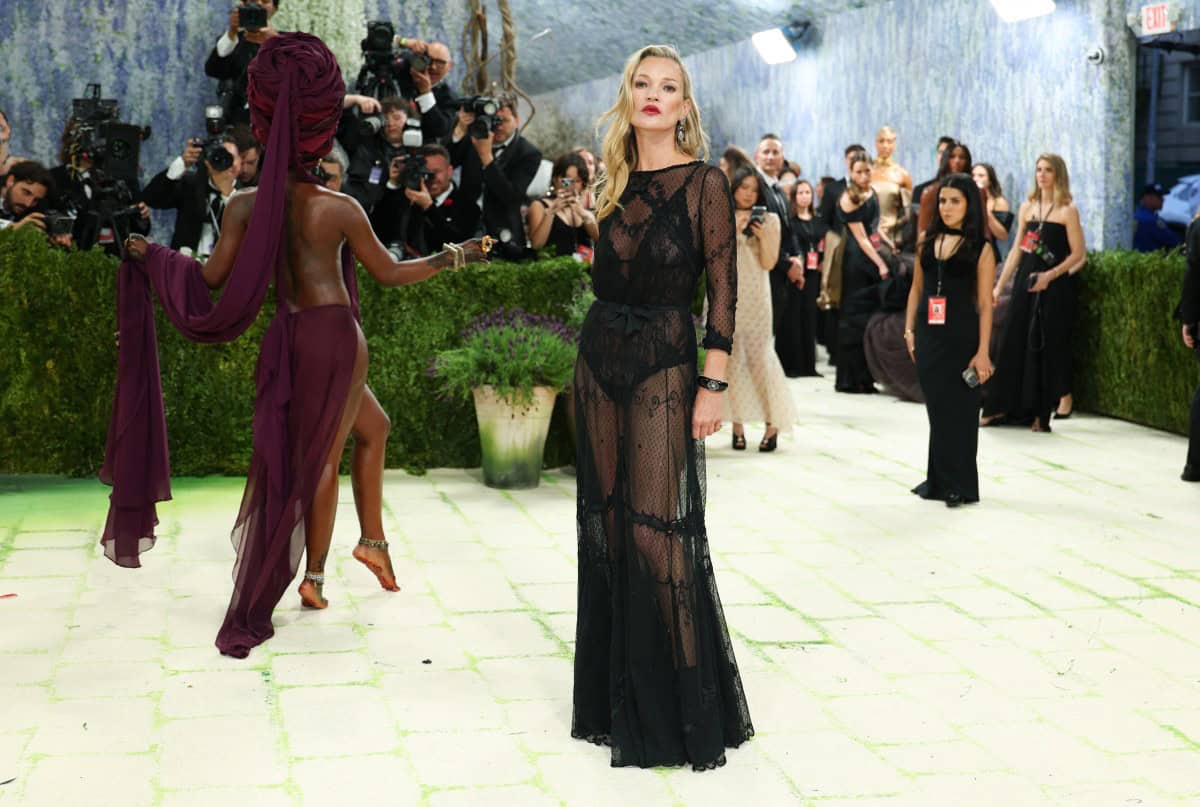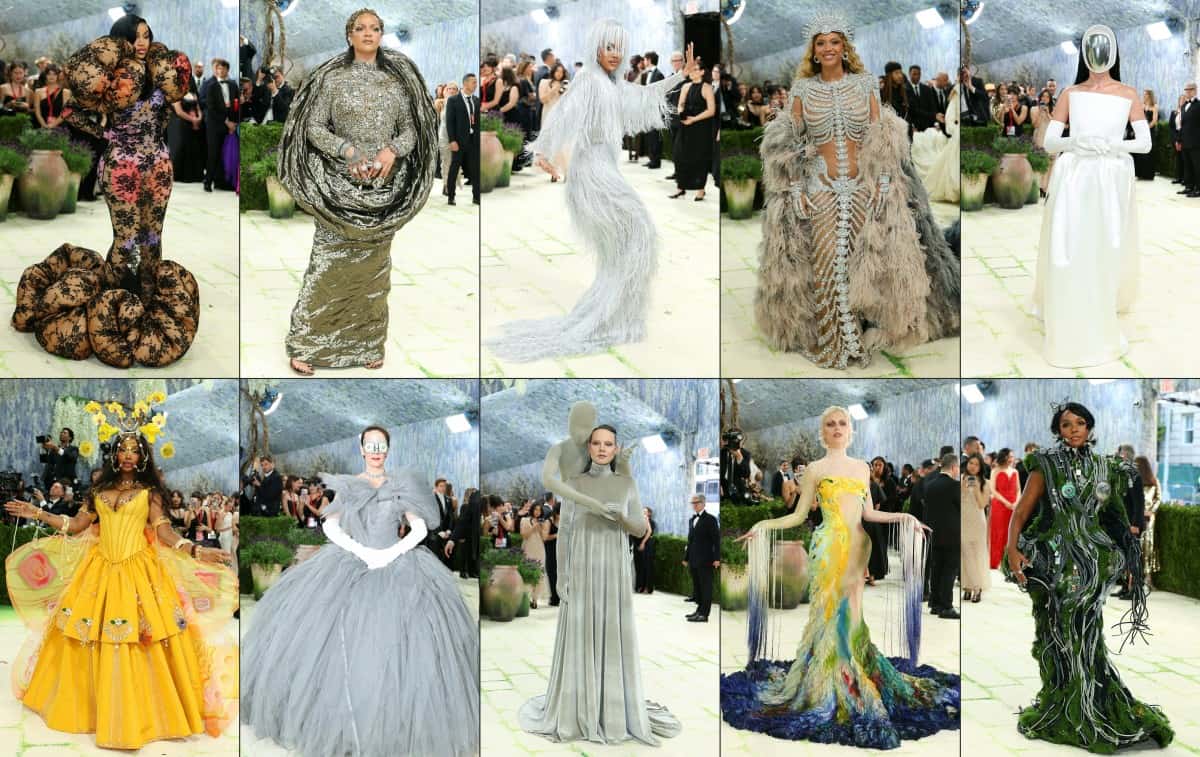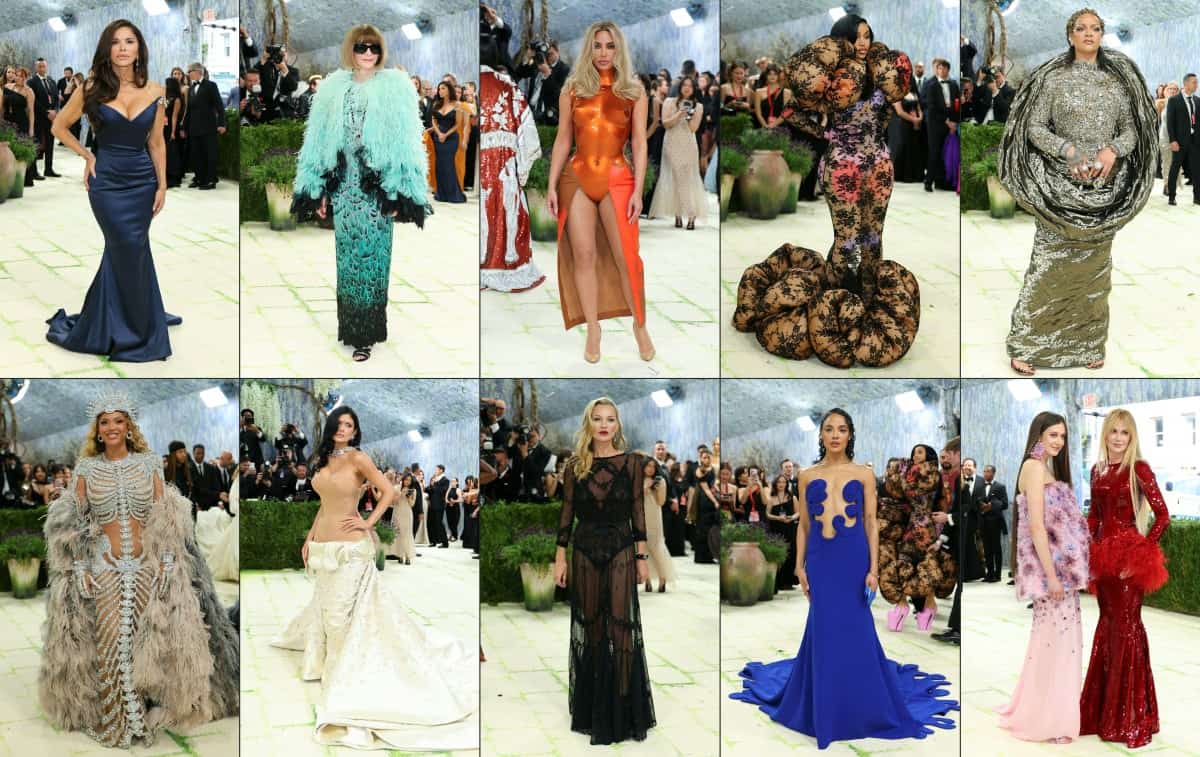
(COMBO) This combination of pictures created on May 5, 2026 shows (L to R, top to bottom) US media personality and entrepreneur Lauren Sanchez Bezos, British-US fashion editor Anna Wintour, US reality TV personality Kim Kardashian, US rapper Cardi B, Barbadian singer Rihanna, US musician Beyonce, US entrepreneur Kylie Jenner, British model Kate Moss, US actress Tessa Thompson, US model Sunday Rose Kidman Urban and Australian-US actress Nicole Kidman arriving for the 2026 Met Gala to celebrate "Costume Art" at the Metropolitan Museum of Art on May 4, 2026, in New York. (Photo by ANGELA WEISS / AFP)
“The Met steps are vibrating,” whispered a guest as camera flashes lit up a sea of sequins, feathers and impossible silhouettes. Against the backdrop of twilight over Manhattan, stars ascended the storied staircase. They were transformed into living canvases, defiant and dazzling in their pursuit of fashion as high art.
The steps of the Metropolitan Museum of Art transformed once again into a living gallery this year. The Met Gala 2026 embraced the evocative theme, “Costume Art”. It was not just about dressing up but about turning the human body into a canvas. Indeed, the body became a sculpture and a statement.
And while not every look landed, the night delivered a fascinating conversation between fashion, identity and imagination.
This year’s dress code, “Fashion is Art” encouraged risk-taking, and many celebrities understood the assignment. Some soared, others stumbled, but the beauty of the Met lies in that tension.
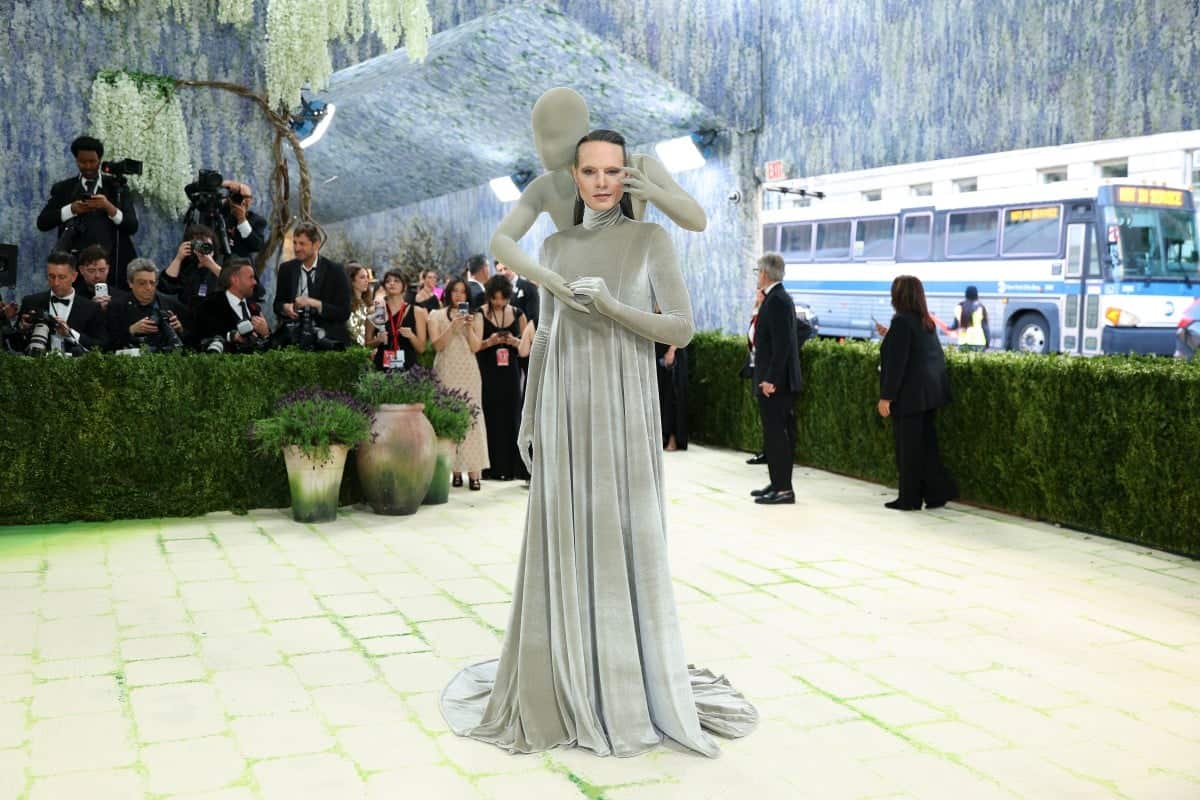
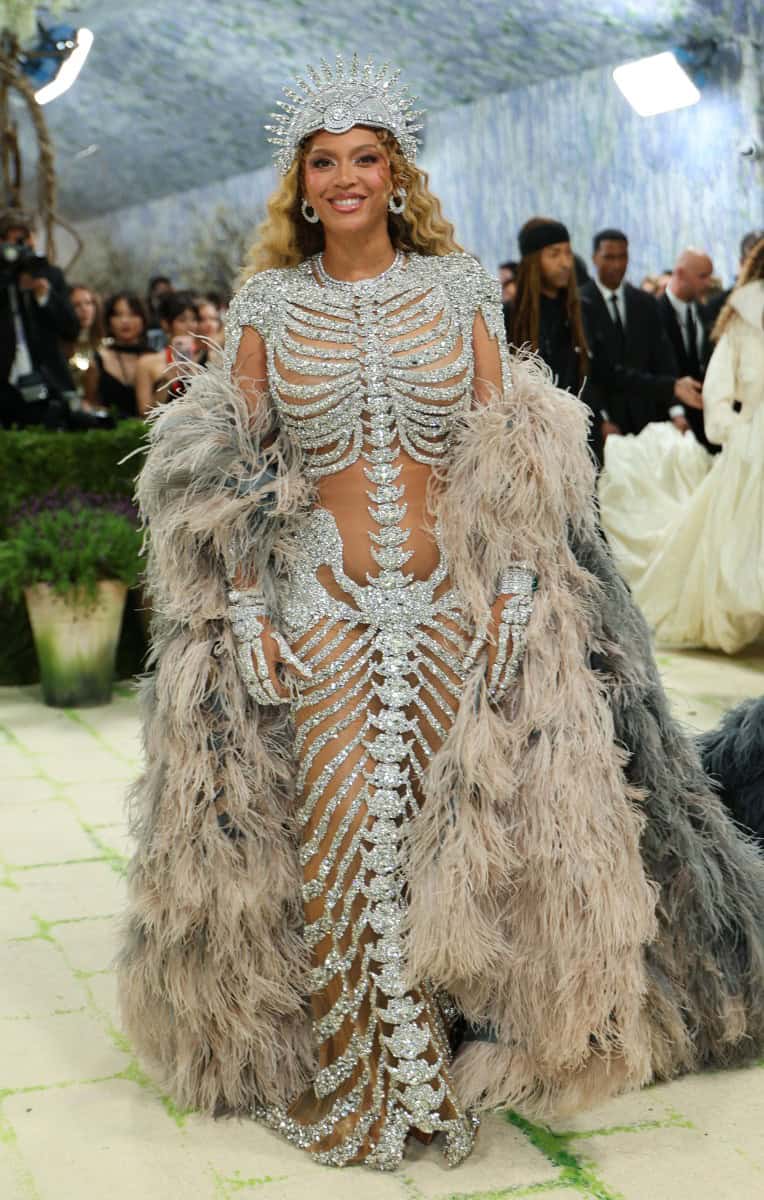
The night was defined by ambitious looks: Beyoncé’s silvery, skeleton-inspired ensemble drew both awe and debate. Meanwhile, Lisa’s haunting Robert Wun gown with 3D replicas of her arms sparked conversation about the boundaries between surrealism and spectacle.
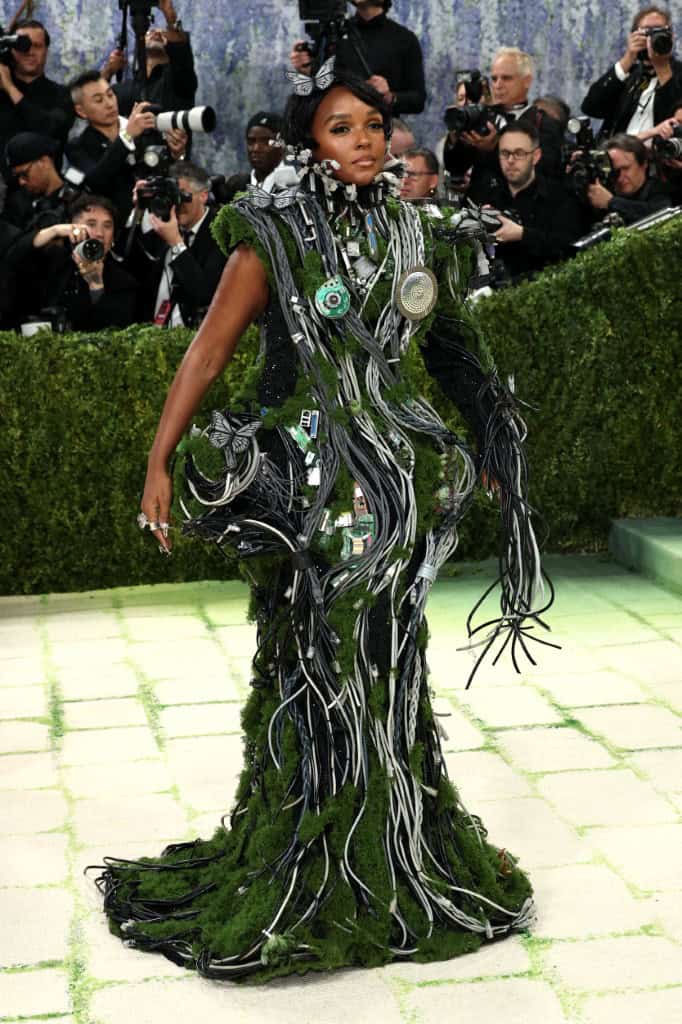
A handful of guests pushed artistry further, like Janelle Monáe in a Christian Siriano creation woven with electrical cables. This challenged convention and electrified the room.
As noted in the event highlights, “The Met is about taking chances,” and 2026 leaned fully into that philosophy.
Leading the spectacle, Rihanna arrived in a sculptural Maison Margiela masterpiece inspired by medieval architecture in Belgium.
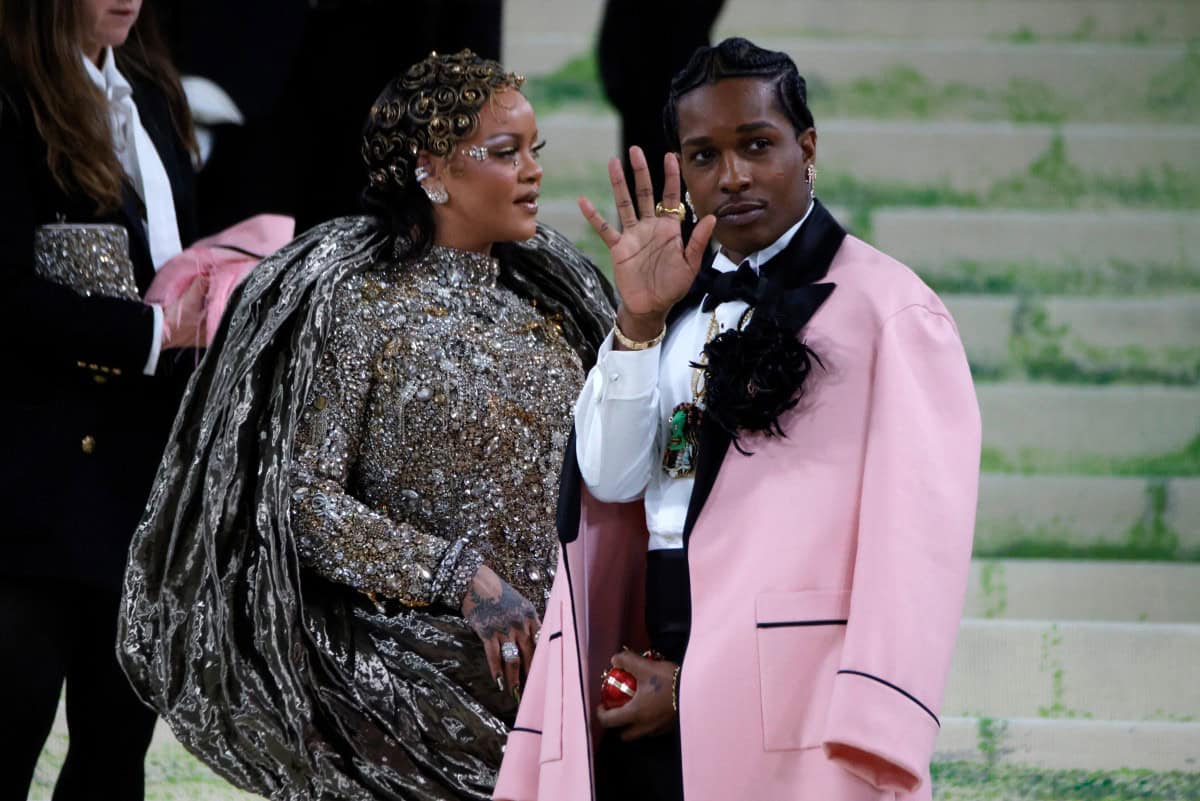
It was regal, dramatic, and unapologetically grand, everything the Met carpet demands. Alongside her, A$AP Rocky delivered a softer contrast in pink Chanel tailoring. This proved that masculinity on the red carpet continues to evolve.
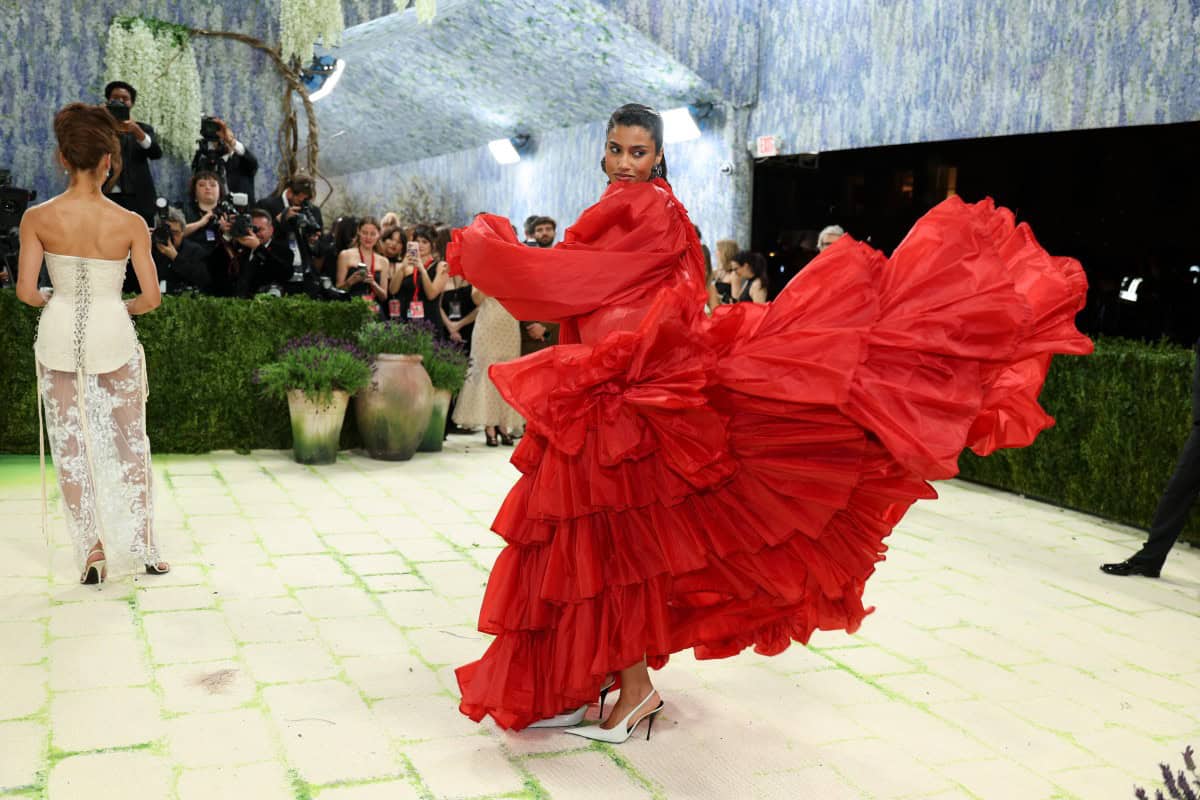
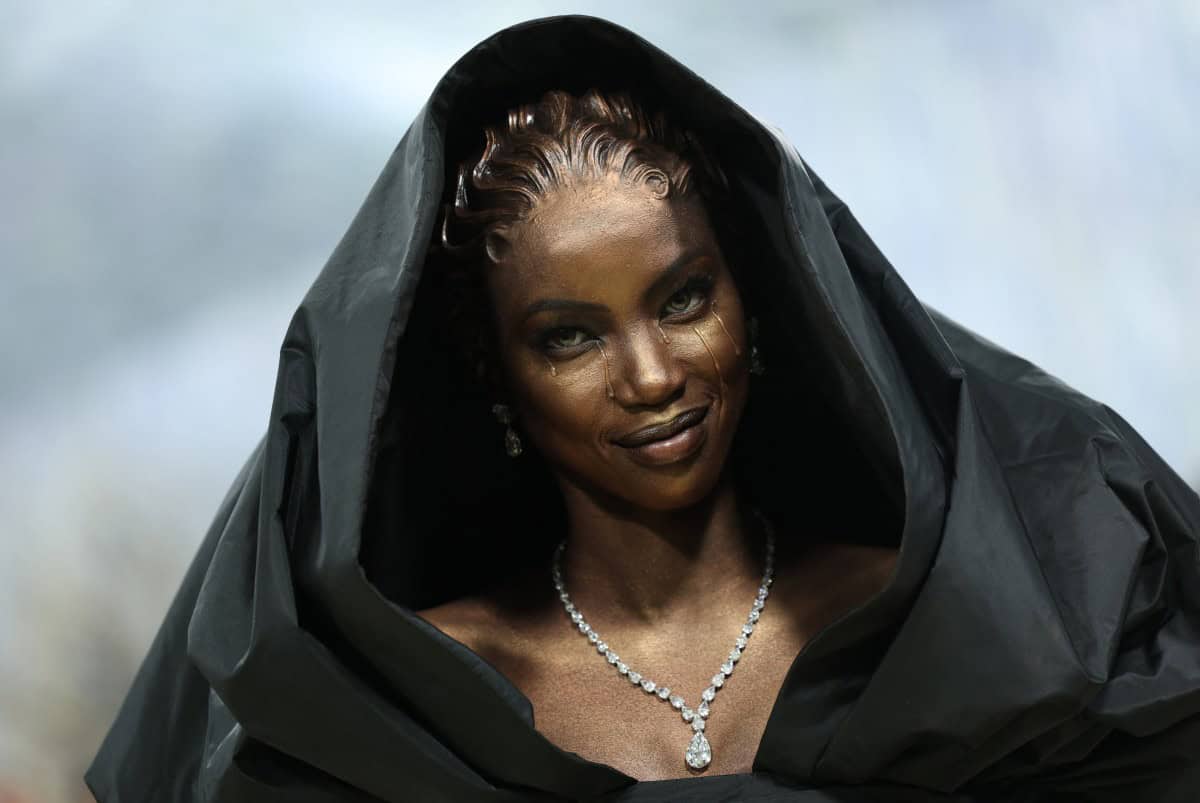
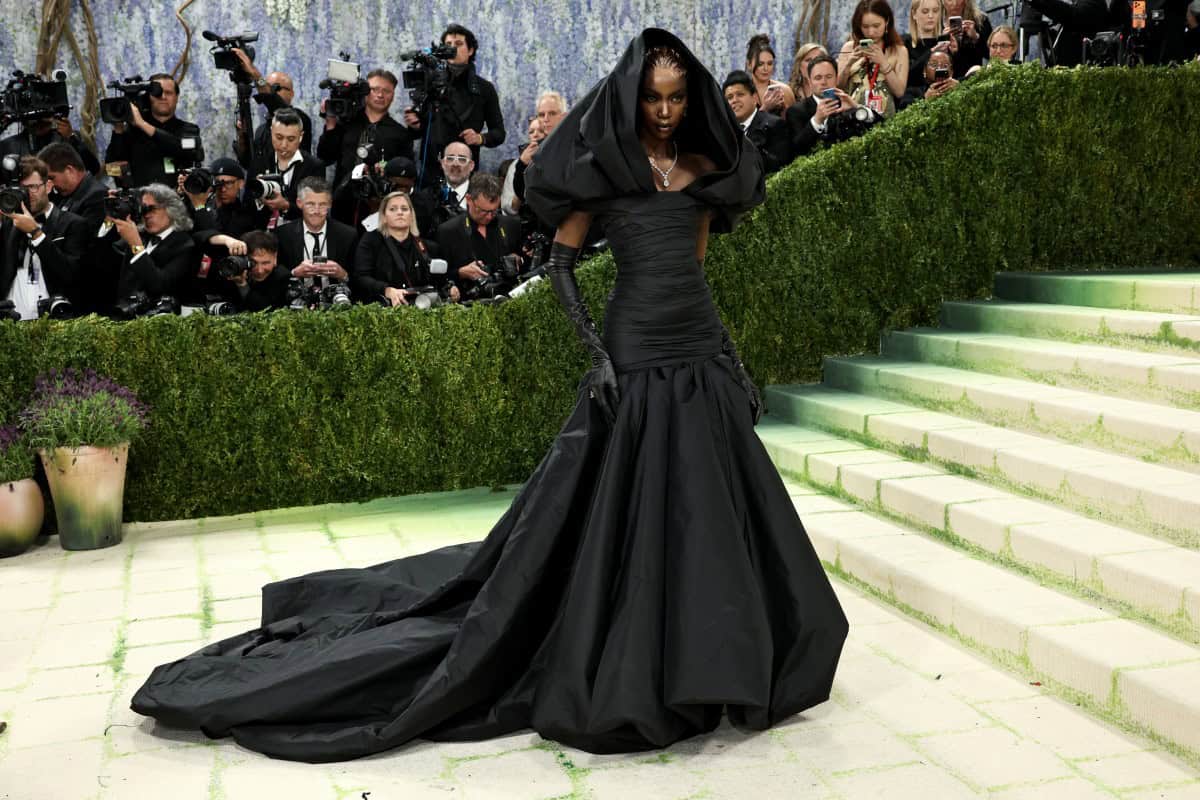
Model Anok Yai captivated onlookers in a custom Balenciaga creation by Pierpaolo Piccioli. The look blended high fashion with evocative religious symbolism. Drawing inspiration from the “Mother of Sorrows” (Mater Dolorosa), her ensemble featured a dramatic black hooded dress. The dress echoed the solemn elegance of traditional iconography.
Grammy award-winning South African artist Tyla brought a refreshing sense of playfulness and pride to the carpet. She revealed that her look was inspired by a peacock, embracing vibrant colour, fluid movement and dramatic texture.
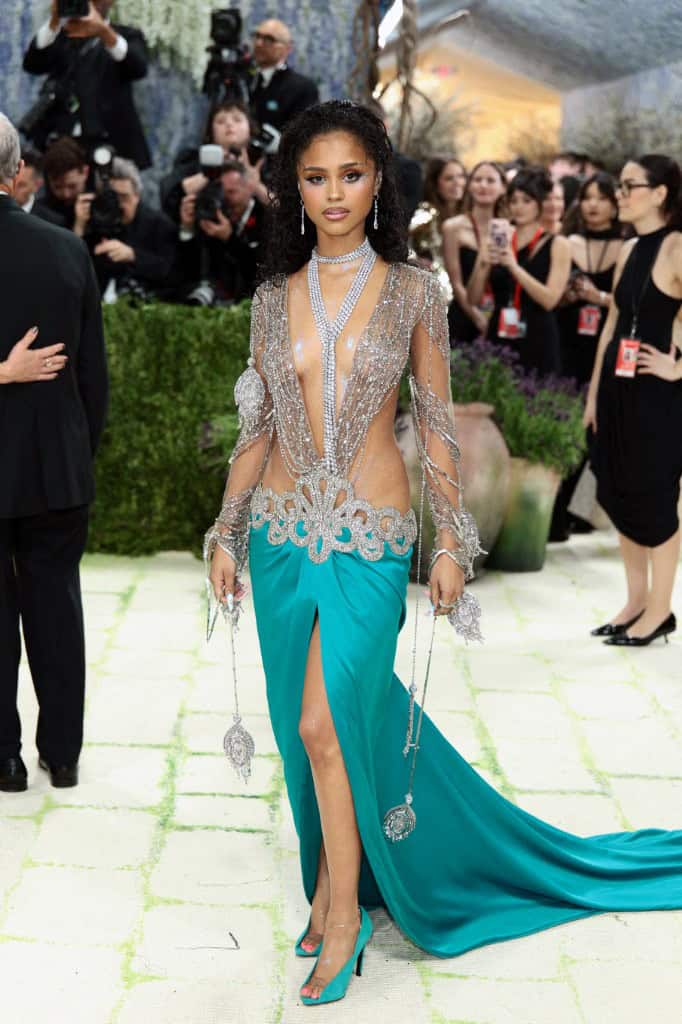
Designed in collaboration with Olivier Rousteing, the ensemble celebrated both her rising global influence and her African roots. This turned her into one of the night’s most talked-about stars.
Then there was Janelle Monáe, who once again blurred the lines between fashion and technology. Her Christian Siriano gown fused electrical cables, moss and recycled materials into a look that felt futuristic yet organic. It became a wearable manifesto on sustainability and innovation.
Artistry took a deeply personal turn with Venus Williams, who collaborated with Swarovski to design a look embedded with symbols from her life. This included references to Los Angeles landmarks.
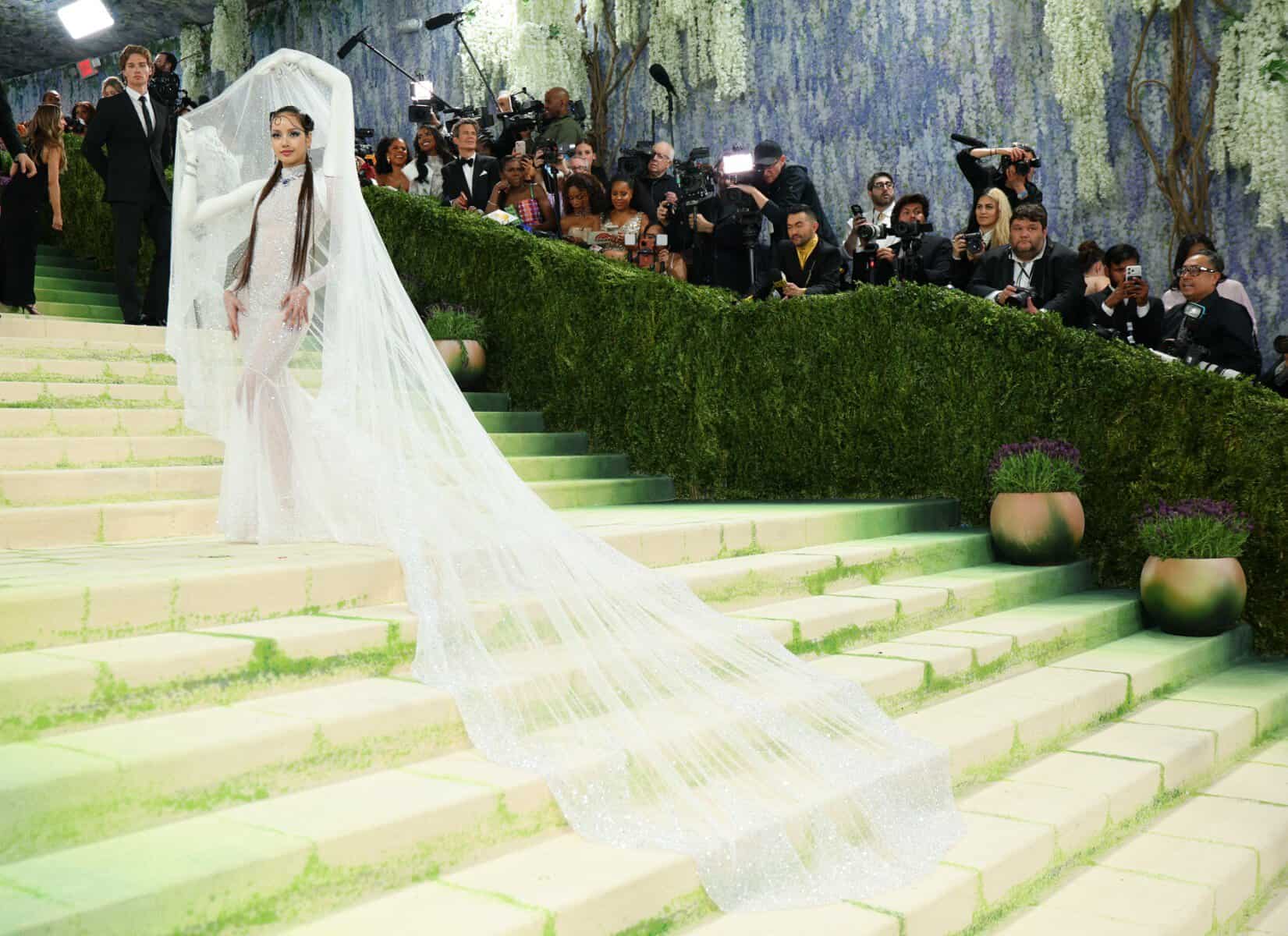
Meanwhile, global stars like Lisa pushed boundaries with avant-garde design. Her Robert Wun ensemble featured 3D-scanned replicas of her own arms, creating an almost surreal illusion inspired by traditional Thai dance. It was eerie, beautiful and unforgettable.
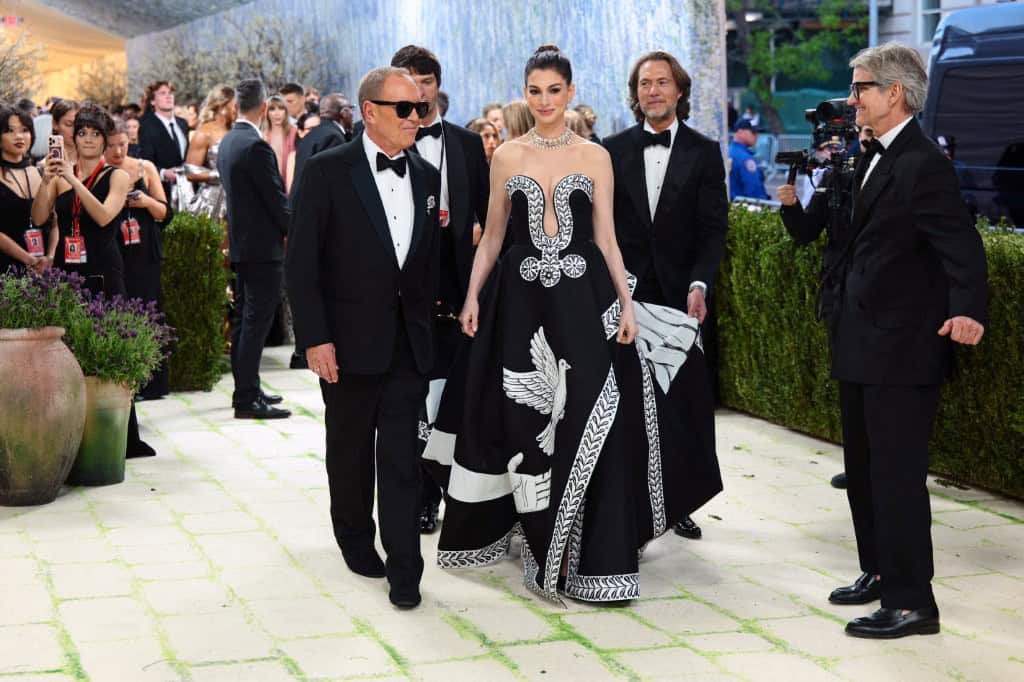
On the softer side of spectacle, Anne Hathaway delivered a poetic moment in Michael Kors Collection. Her gown was adorned with illustrations inspired by John Keats’ Ode on a Grecian Urn. This reminded audiences that fashion can be quiet yet deeply intellectual.
The night also belonged to maximalists and meticulous craftsmanship. Kylie Jenner stunned in a Schiaparelli couture gown that took over 11000 hours to complete. The gown featured thousands of pearls and painted scales.
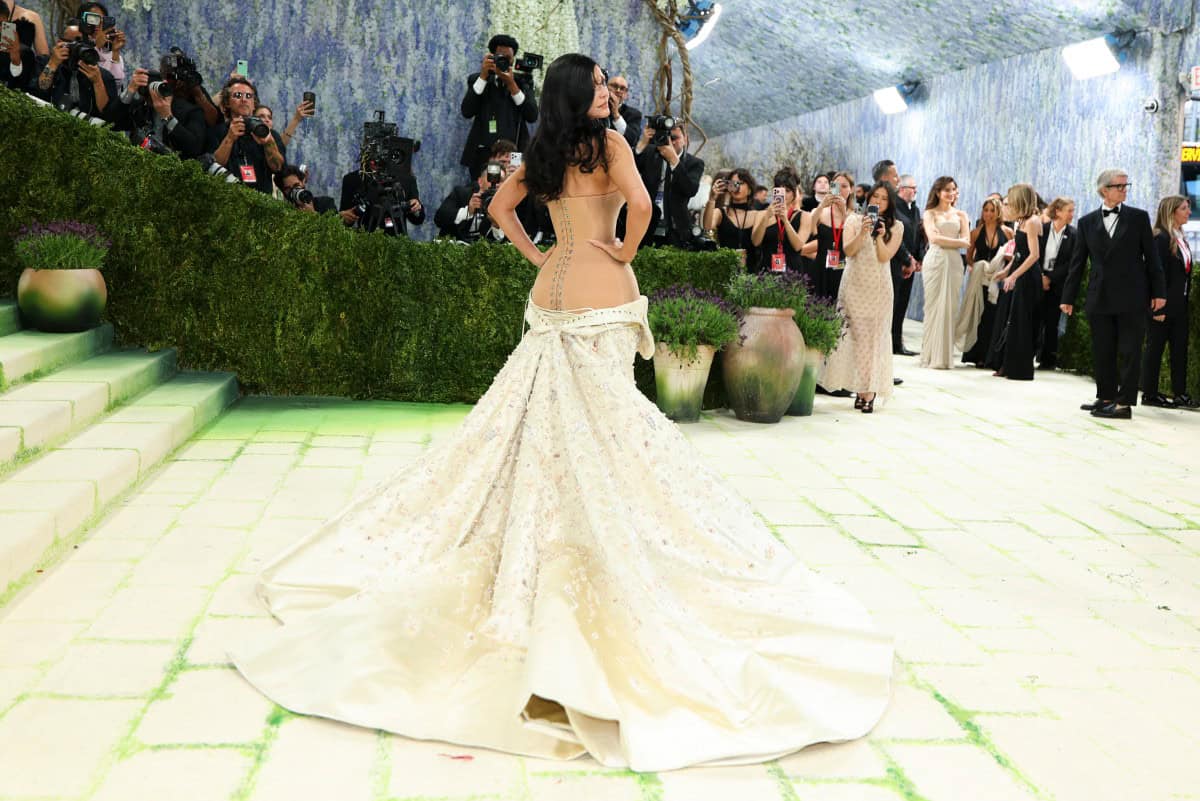
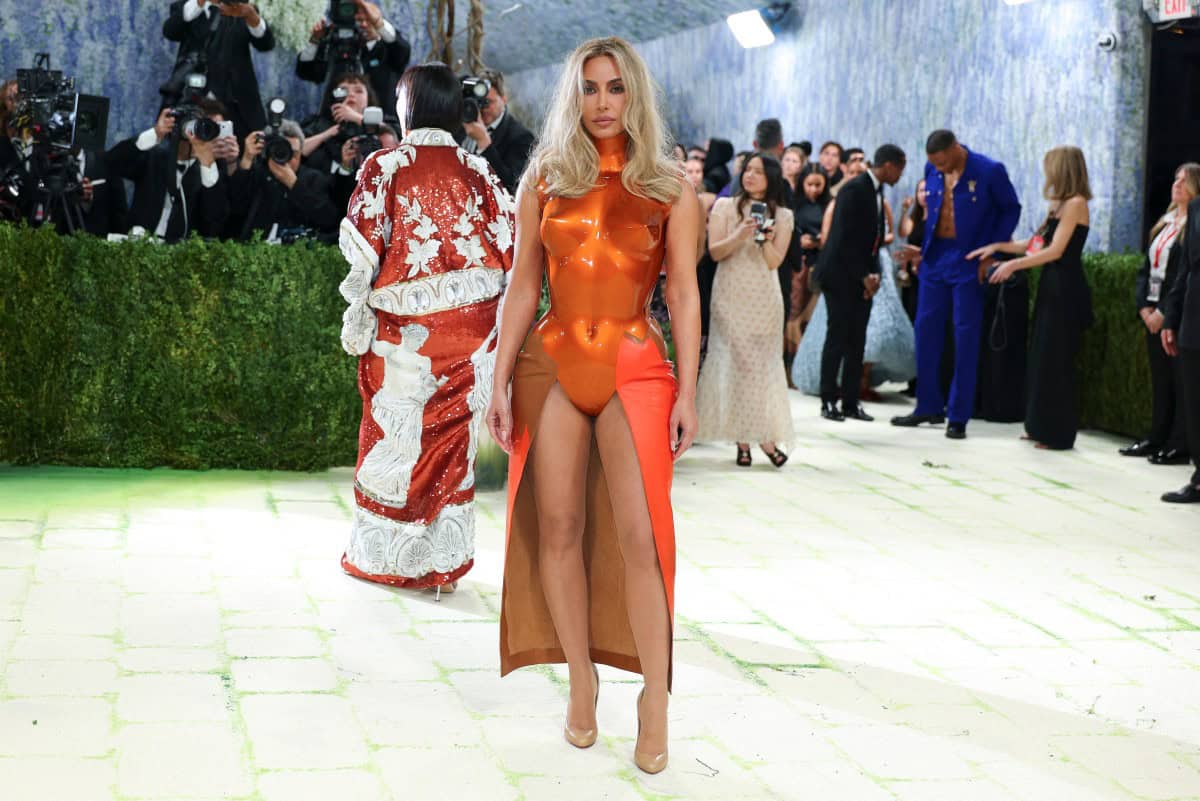
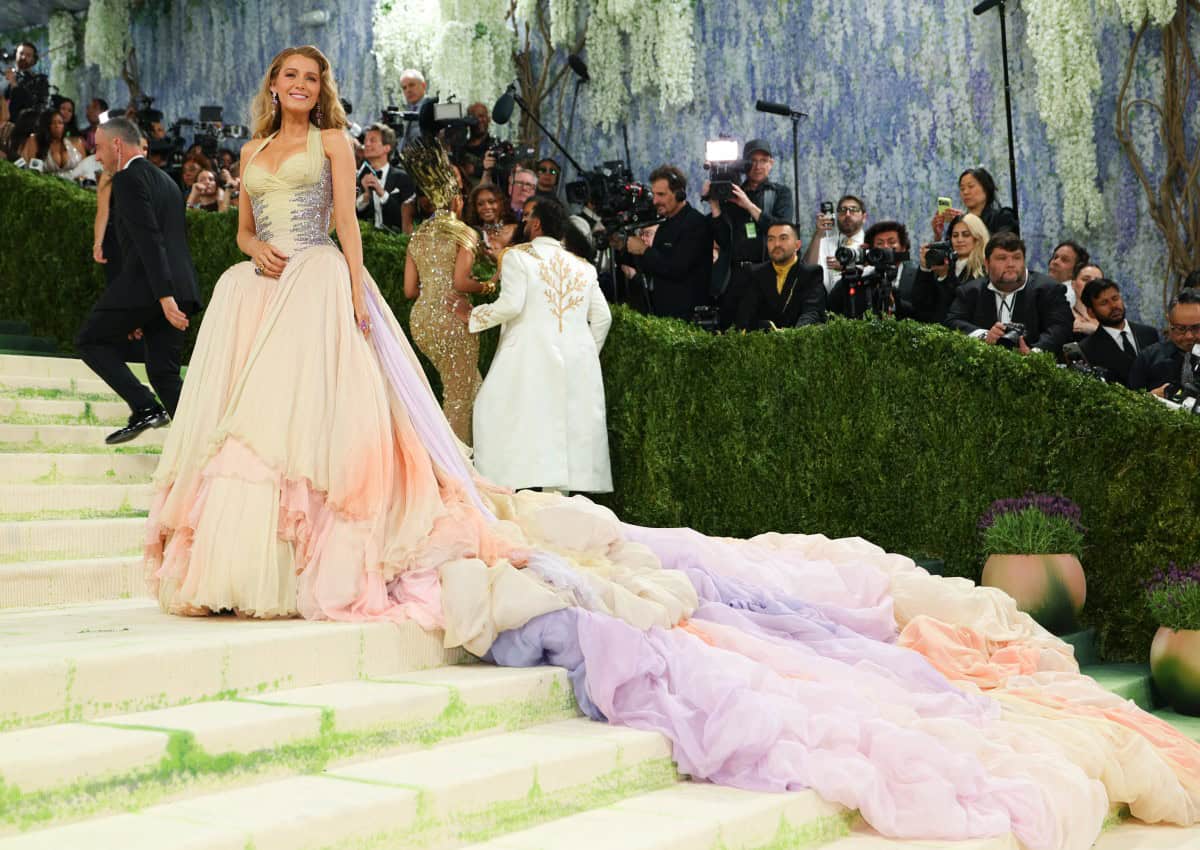
Kim Kardashian leaned into wearable sculpture with a molded breastplate and leather skirt(worst look of the night ). Meanwhile, Blake Lively reimagined archival Versace with a dramatic extended train inspired by Venetian Rococo art. This was disappointing. Blake usually kills it.
Texture and history also played a major role. Paloma Elsesser wore a gown constructed from garments dating back decades, weaving together stories from across continents.
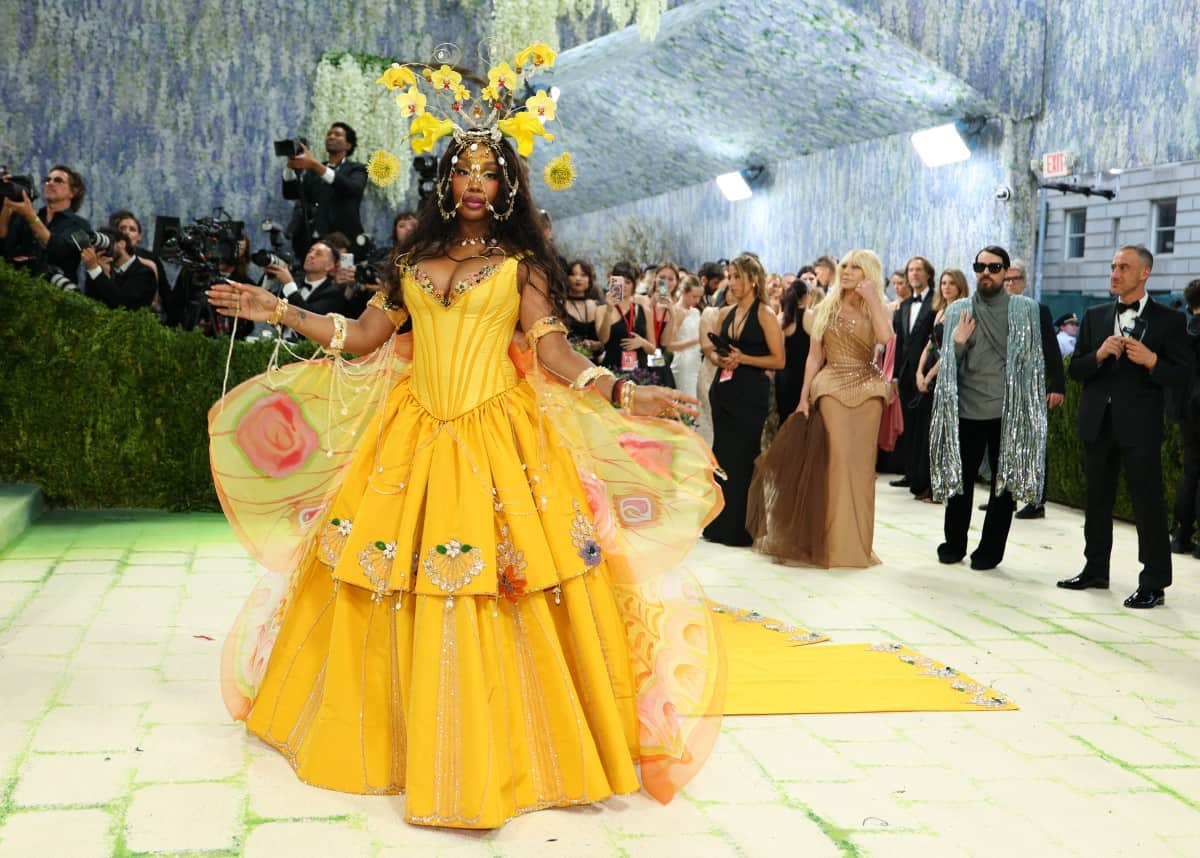
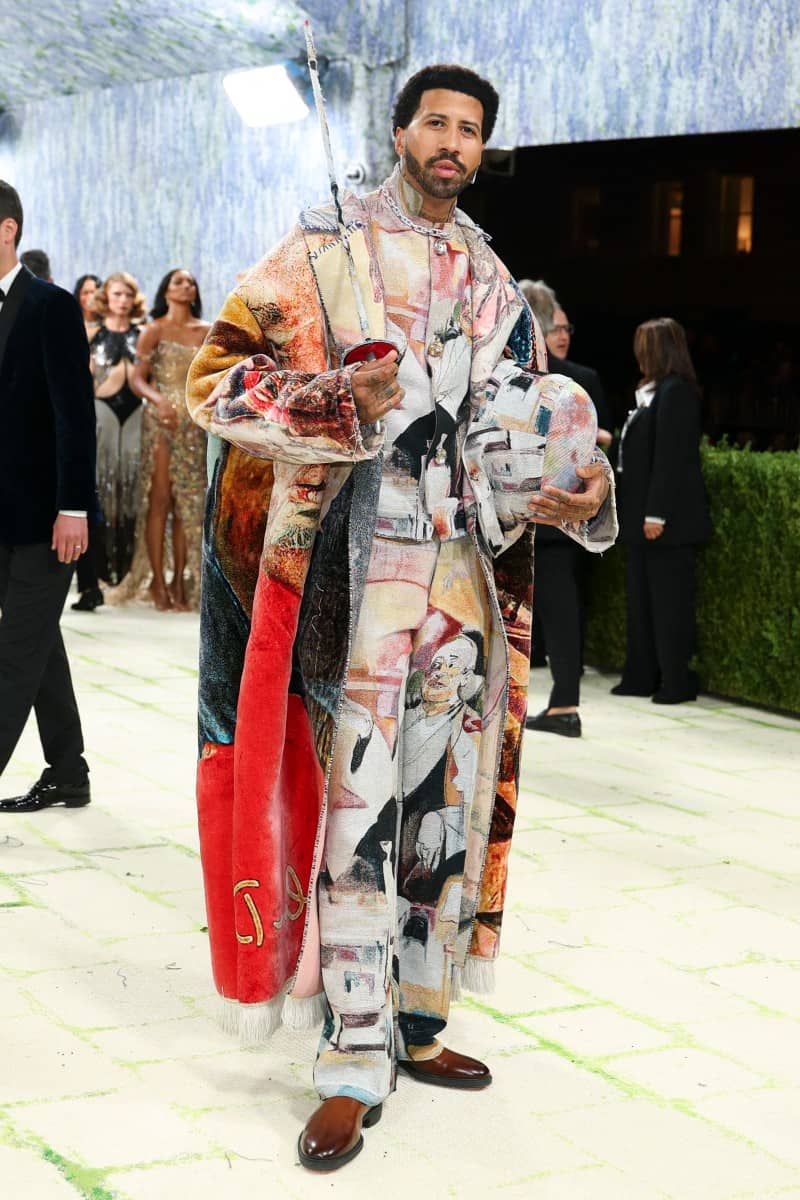
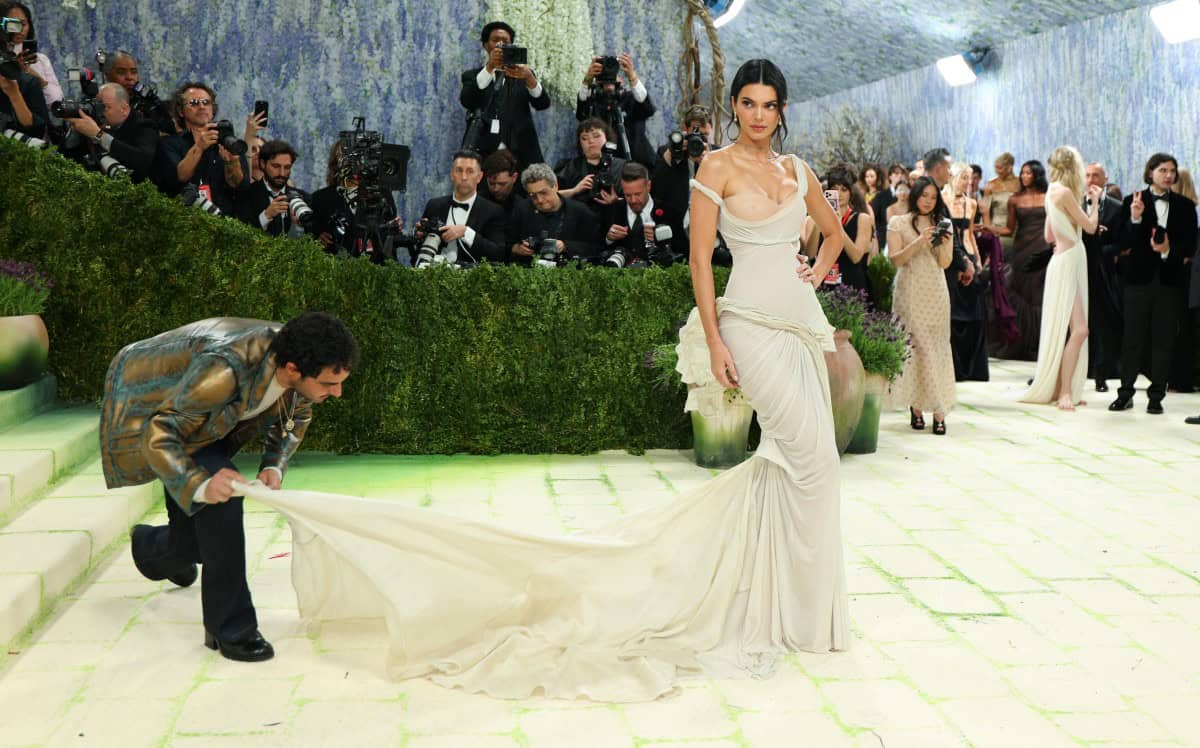
Similarly, SZA embraced vintage in a Bode look crafted from sourced fabrics and tapestries, giving old materials new life. Kendall Jenner offered a minimalist twist, transforming the classic white T-shirt into a sculpted couture moment.
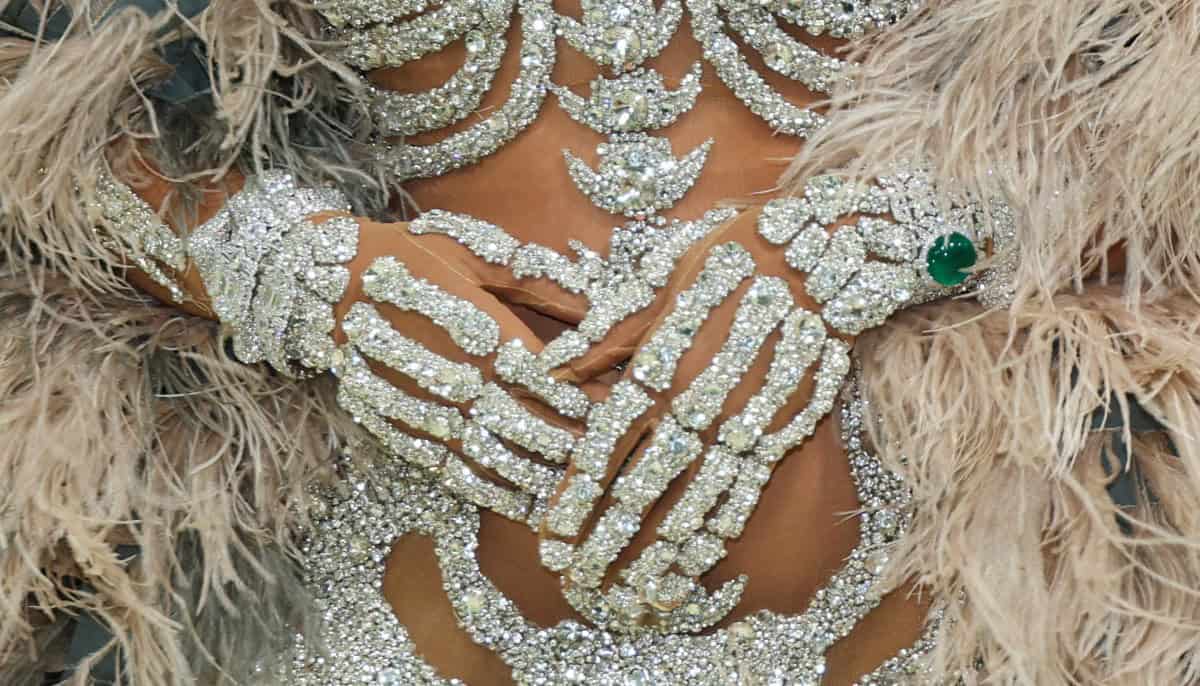
Of course, all eyes were on Beyoncé, who collaborated with Olivier Rousteing on a silvery skeleton-inspired look. The outfit nodded to anatomy as art.
While striking, reactions were mixed, with some critics feeling it echoed past aesthetics rather than pushing into entirely new territory.
The men did not hold back either.
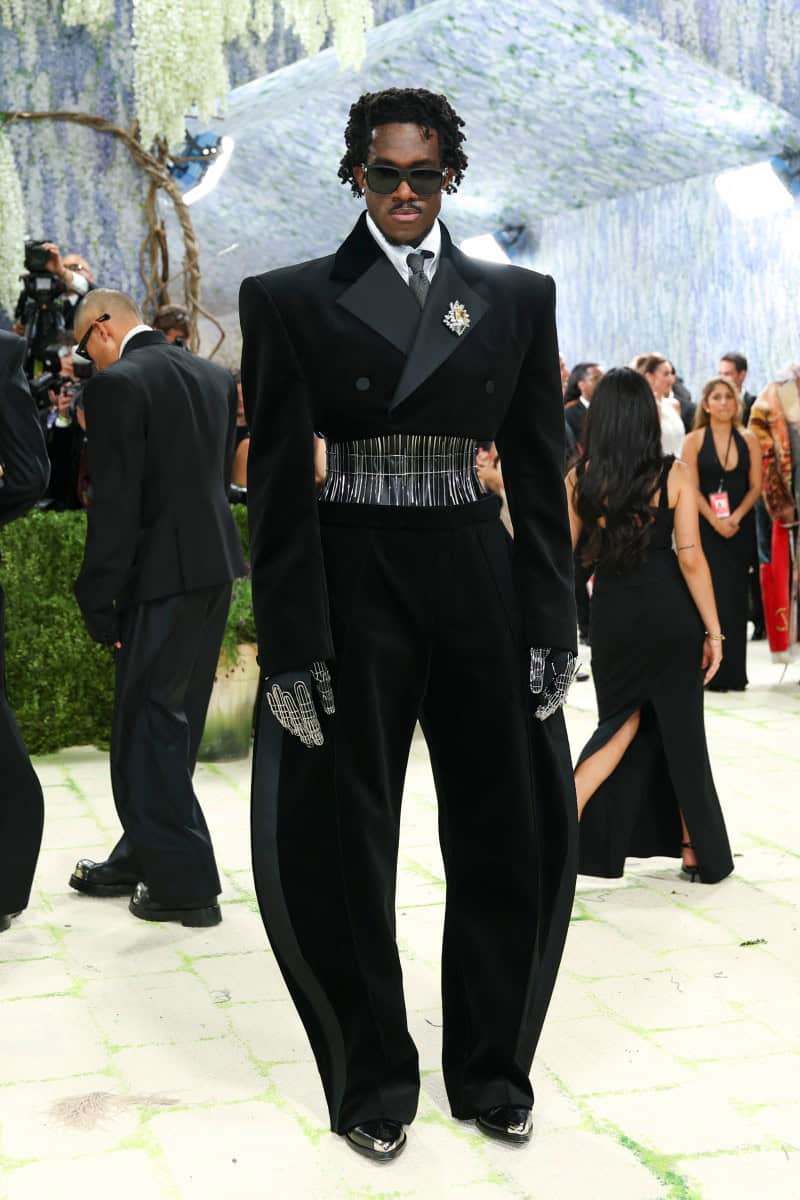
Bad Bunny made a bold statement in a richly textured look that blended tailoring with theatrical embellishment. He leaned into the art theme with confidence and flair. Meanwhile, Skepta turned heads in a Thom Browne suit embroidered with his own tattoos. This flipped the idea of exposure and concealment on its head.
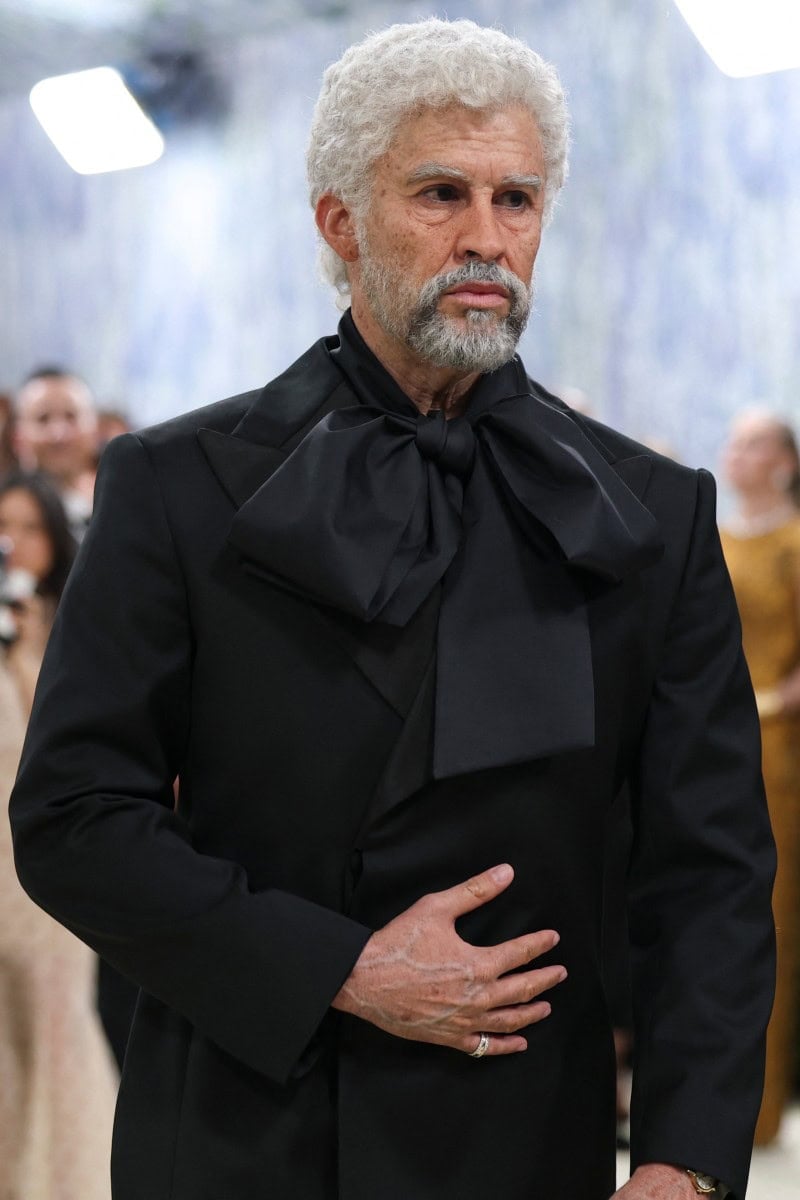
And then, some perhaps played it too safe. In a year that demanded bold artistic interpretation, a handful of attendees opted for predictable silhouettes and familiar styling.
A recurring truth about the Met Gala: when guests hold back, it defeats the very purpose of the night. This is the one carpet where fashion should challenge, provoke and even confuse.
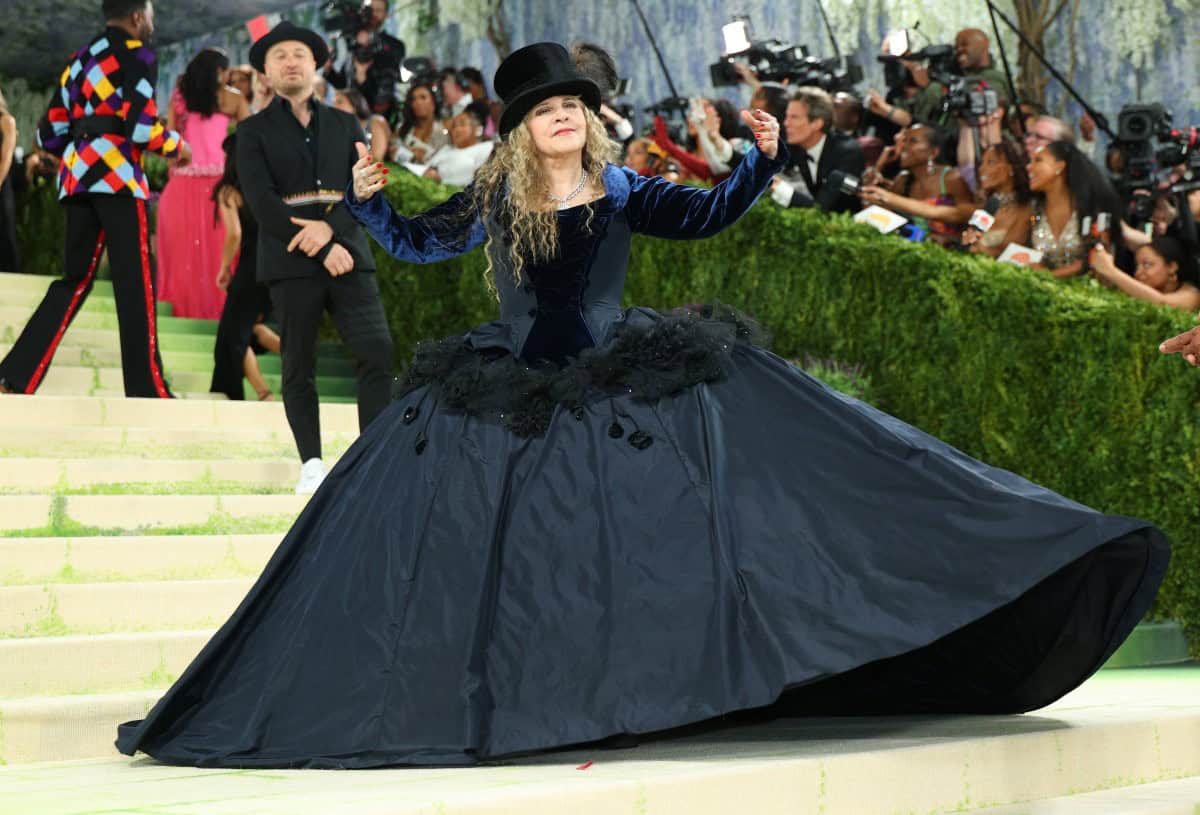
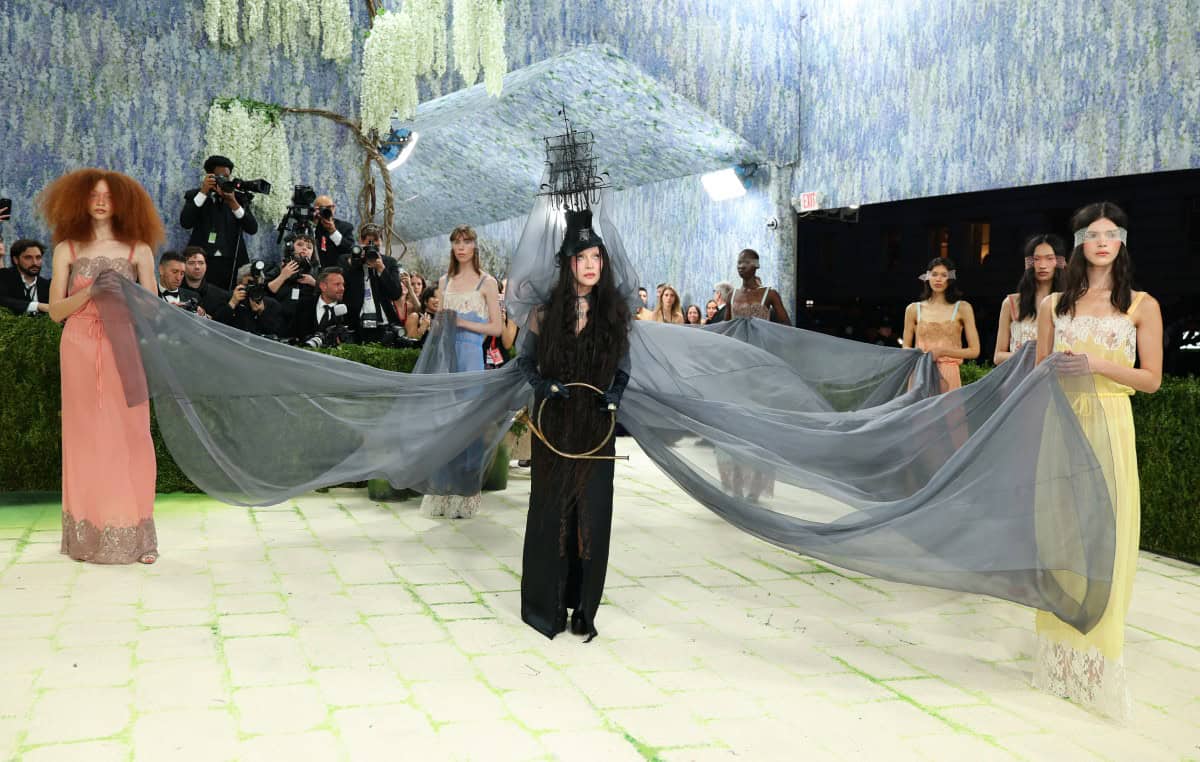
Still, the icons delivered. Madonna brought theatrical drama to Saint Laurent, complete with a signature veil. At 77, Stevie Nicks made a striking Met Gala debut in blue velvet. The look blended steampunk elements with her signature witchy aesthetic. This was a moment that felt both nostalgic and powerfully present.
What made this year particularly compelling was its emotional range. From hyper conceptual pieces to deeply personal narratives, the Met Gala 2026 was not just about what people wore. It was about what they expressed.
Fashion became language, memory, protest, and fantasy all at once.
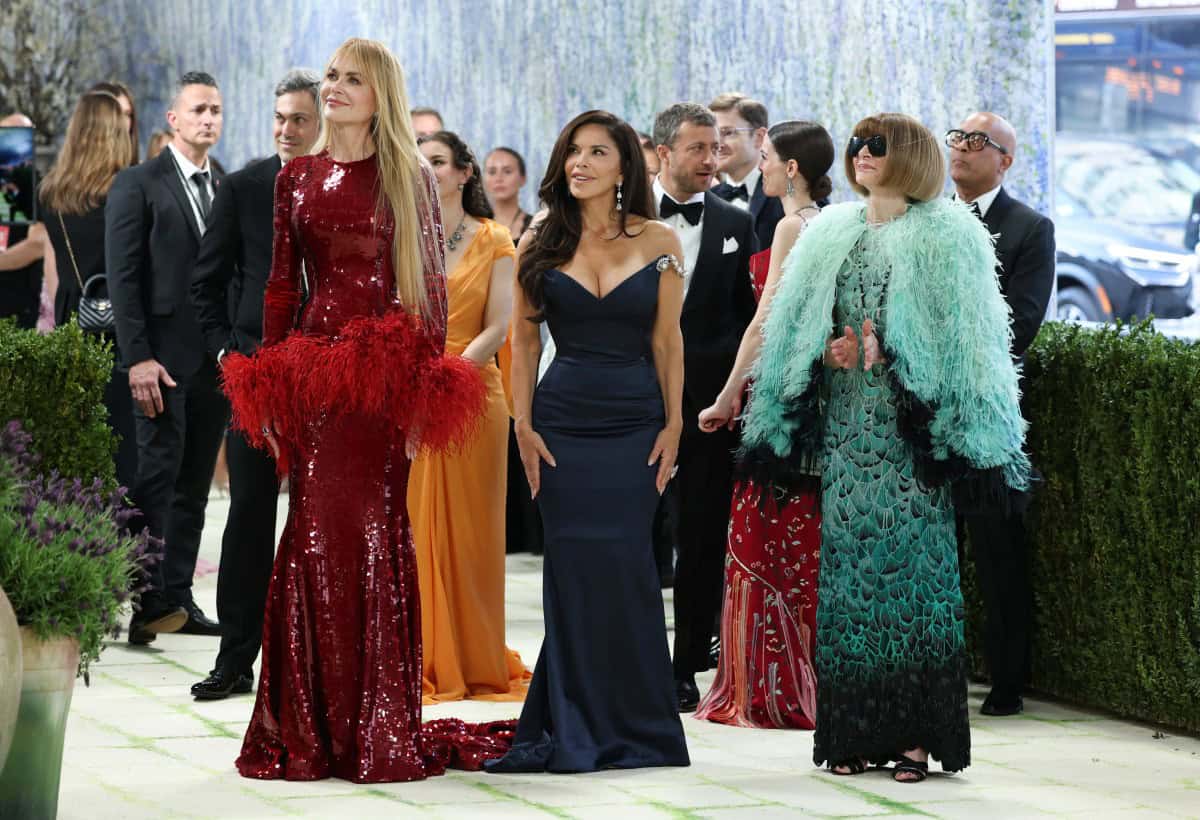
In the end, the night reaffirmed why the Met Gala remains fashion’s most important stage. It is not about perfection. It is about provocation, experimentation, and the courage to be seen. Whether dazzling or divisive, every look contributed to a larger cultural moment. Fashion does not just follow art but becomes it.
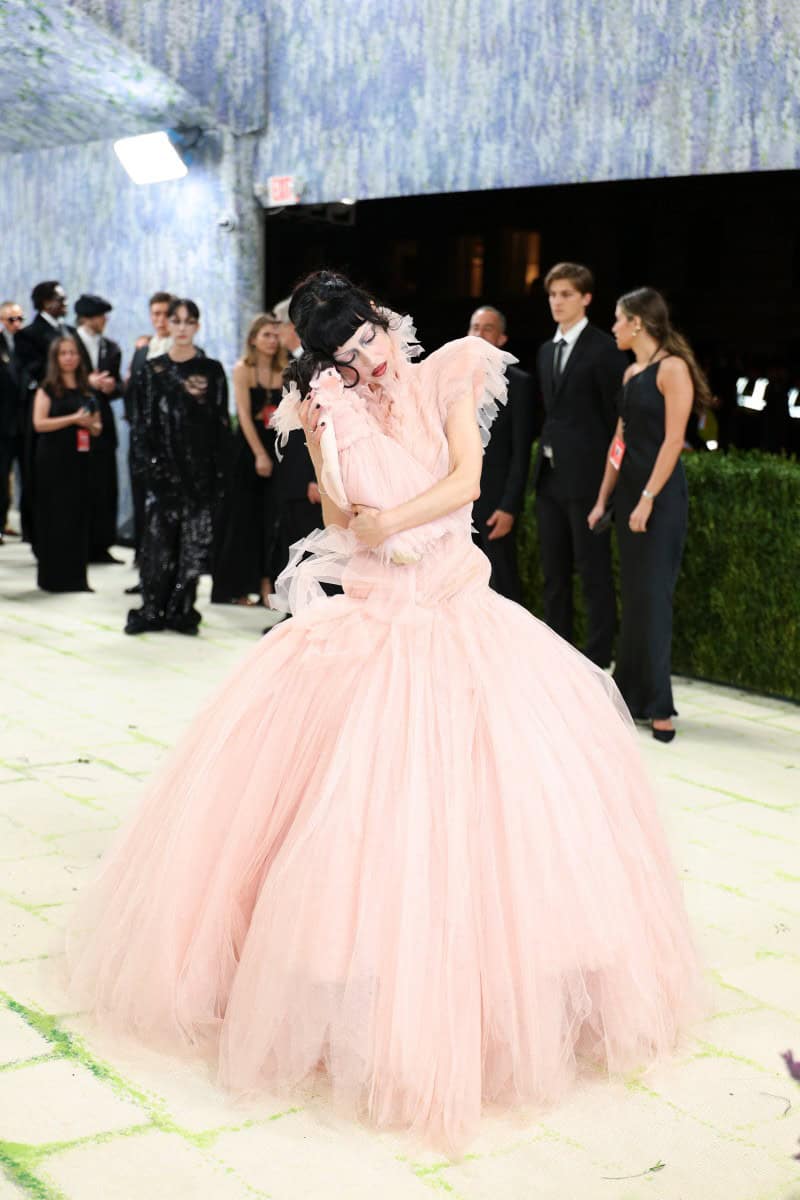
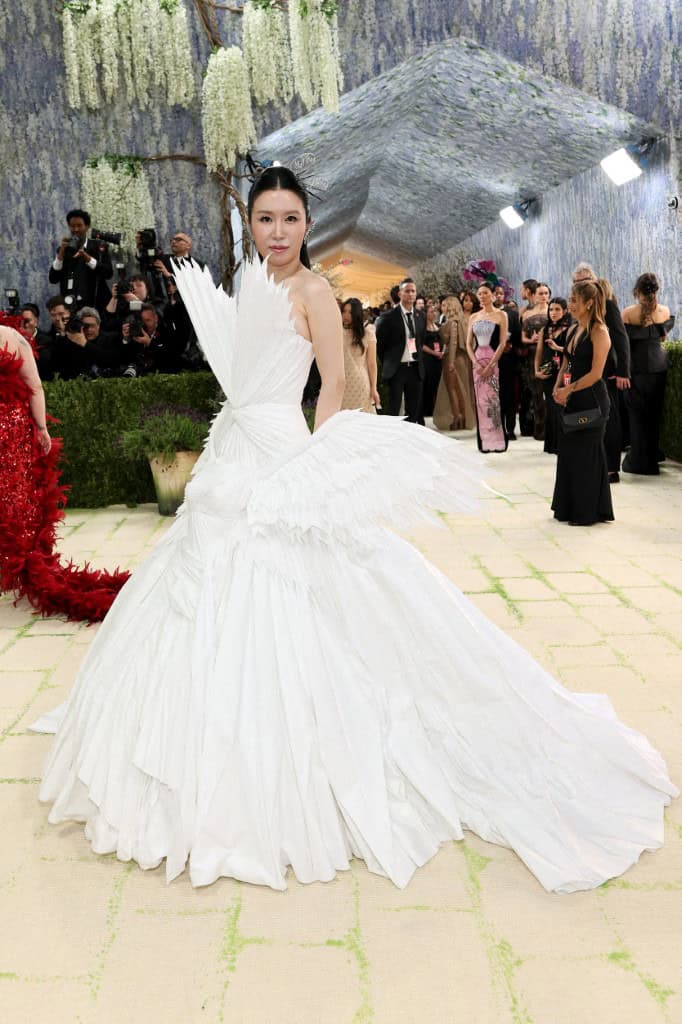
Here are more looks