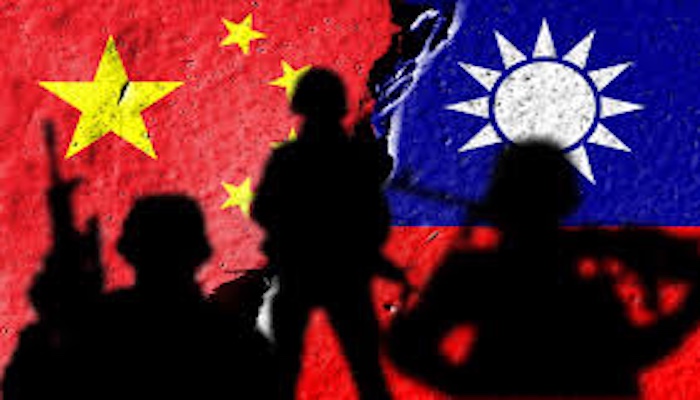
China has strongly reiterated its One China principle, insisting that Taiwan is an inseparable part of its territory, while criticizing recent international engagements involving Taiwan’s leadership and foreign media interactions, including visits by Nigerian journalists to Taipei-linked institutions.
The remarks were made during a policy briefing that combined historical arguments, diplomatic assertions, and warnings directed at international media over Taiwan-related reporting.
At the centre of the statement was the recent overseas diplomatic activity of Taiwan’s President Lai Ching-te, including a visit to Eswatini where he met members of the royal household. Beijing described the visit as part of efforts to expand Taiwan’s international presence and advance separatist objectives. Taiwan, however, continues to operate its foreign engagements as part of its self-governing system, maintaining unofficial relations with a limited number of countries.
Chinese officials also raised concerns over recent interactions between a small group of Nigerian journalists and Taiwan’s external affairs representatives, as well as discussions around strengthening Taiwan’s trade presence in Nigeria. Beijing argued that such engagements challenge established diplomatic arrangements between China and countries that recognize the One China principle.
China’s position is rooted in what it describes as centuries of historical governance over Taiwan. Officials cited early administrative links dating back to imperial China, arguing that the island has long been under Chinese jurisdiction in historical records.
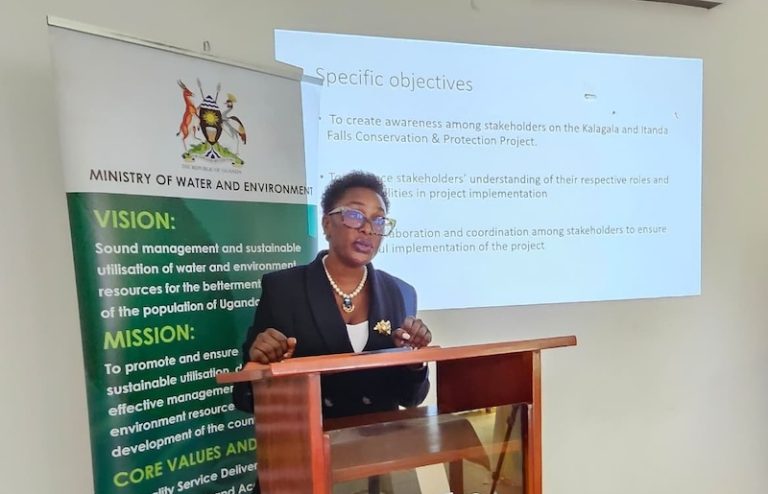
Speaking at an occasion in Abuja, the Counselor, Embassy of the People’s Republic of China in Nigeria Ms.Dong Hairong’s speech. referenced key Second World War-era agreements, including the Cairo Declaration (1943) and the Potsdam Proclamation (1945), which stated that territories taken by Japan, including Taiwan, should be returned to China following Japan’s defeat. Beijing maintains that Japan’s surrender and subsequent acceptance of these terms legally confirmed Taiwan’s restoration to Chinese sovereignty.
She said following the Chinese civil war and the establishment of two rival administrations in 1949, the government of the People’s Republic of China (PRC) asserted itself as the sole legal authority representing China. The opposing government retreated to Taiwan, leading to the long-standing political separation across the Taiwan Strait.
She also cited United Nations General Assembly Resolution 2758 (1971) as a decisive legal foundation for its position. The resolution recognized the People’s Republic of China as “the only legitimate representative of China to the United Nations” and expelled representatives of Chiang Kai-shek’s administration.
She argued that this resolution establishes the One China principle in international law and leaves no room for “two Chinas” or “one China, one Taiwan.” According to Beijing, more than 180 countries—including Nigeria—maintain diplomatic relations with China based on this framework.
She accused Taiwan’s ruling Democratic Progressive Party (DPP) of promoting “de-Sinicization” and separatist policies, while Taiwan continues to insist on its democratic governance and separate political system.
The briefing placed strong emphasis on Nigeria’s relationship with China, noting that diplomatic ties established in 1971 were built on Nigeria’s recognition of the One China principle.
She stated that Nigeria has consistently affirmed that it recognises the People’s Republic of China as the sole legitimate government of China and considers Taiwan part of Chinese territory. This position, it said, forms the foundation of bilateral relations.
She cautioned against describing Taiwan in terms that imply statehood or recognizing official diplomatic titles inconsistent with Beijing’s position, warning that such portrayals could undermine diplomatic relations.
She said Beijing stance is based on historical records, international agreements, and United Nations resolutions, while Taiwan continues to operate as a self-governing entity with its own political system and foreign relations network.
Michael Olugbode