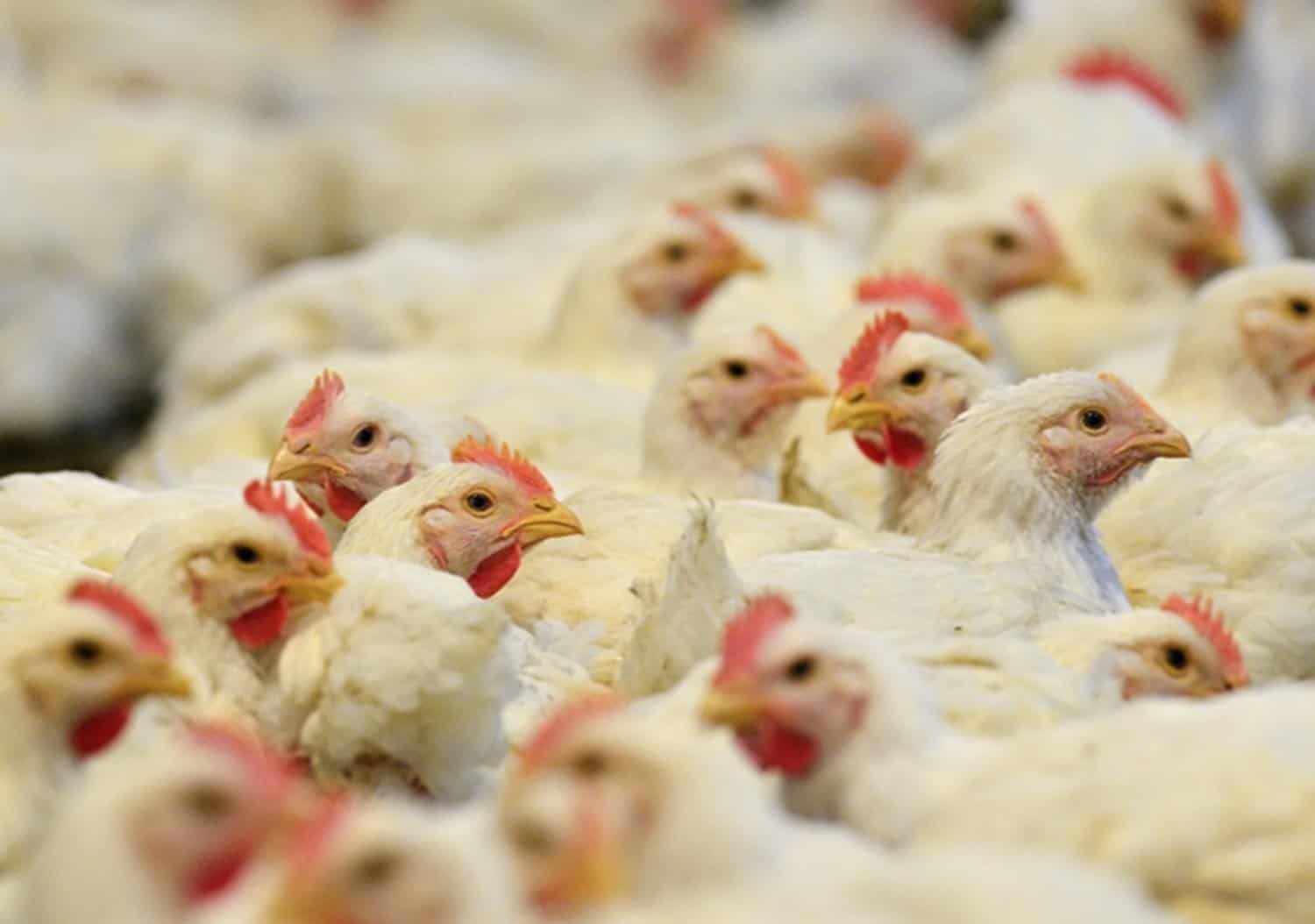
The Lebowakgomo abattoir in Limpopo, touted to provide 1 000 jobs and empower chicken growers, has collapsed, with over 30 000 chickens reportedly starved to death.
This, after the provincial government commissioned the poultry project and paraded the investor, Montana Agriculture and Mining SA (Pty) Ltd, to the community.
Kayce Shabba, the company CEO, was appointed for a flagship project celebrated as a symbol of economic revival in Limpopo.
However, the project has become the centre of a growing scandal, with unpaid workers, angry farmers, escalating debt, and allegations of reckless spending threatening to bring the abattoir down to its knees.
Spokesperson for the Limpopo Economic Development Agency (LEDA), Leo Gama, said the Lebowakgomo Abattoir commenced operations in 2025, with Shabba formally introduced to the community.
“At the time the investor took over, the project was not operational, necessitating its revival to support job creation and stimulate economic growth. The investment committed to the project amounted to $9 million (R145 million),” said Gama.
He said under the agreement, chicken growers (farmers) were to supply the abattoir, and the abattoir would, in turn, make payment for the supply.
The roles and responsibilities of each party were clearly defined.
As per the agreement, Gama explained, the company was responsible for covering feed costs and electricity costs.
However, it is alleged that instead of buying feed for the chickens, Shabba splurged on a Mercedes-Benz GLE 63 Coupe, reportedly worth a staggering R3.9 million.
“I can confirm that Mr Shabba has been unable to provide feed for the chickens. I can also confirm that in light of this, our chickens died,” a source from one farm in the Sekhukhune region.
Denial
Shabba has, however, hit back at the allegations, calling them far-fetched and entirely untrue.
“To begin with, it is not correct that we did not buy feeds. Our supplier delivered feeds to the chicken houses, for which proof and delivery notes are available. However, in some instances, we had to deliver bags rather than bulk due to the number of chickens still in the houses, awaiting transport to the abattoir.
“We experienced some logistical challenges which were not anticipated, but feed was delivered from a very reputable supplier,” Shabba said.
Asked about allegations of buying a car instead of feed, Shabba refused to comment, saying: “I don’t want to entangle my personal life with business”.
Dead chickens
A source told The Citizen that since work on the project began on 14 February this year, a total of 23 465 chickens have died.
“From February to date, we owe Eskom R44 000 in unpaid electricity, and the money should come from the investor (Shabba), as per the contract.
“The contract also states, in part, that the abattoir will pay us R4.25c per chicken for growing them. Our mortality rate is usually less than 5%, and as I am speaking to you now, Mr Shabba owes us a total of R373 952.16 for service,” said the source.
Another chicken farmer at Bititude Chicken Farm in the Elias Motsoaledi local municipality also confirmed they have lost more than 7 000 chickens since February due to hunger.
“I am now sitting idle, watching helplessly as the chickens die. I only hope the MEC responsible for this project finds a way to help us salvage the little chickens left in the farm in order to grow Limpopo’s economy,” she said.
‘We will get it right eventually’
Shabba said he did not owe R373 000 to any farmer.
“How could we possibly owe such an amount from a farmer who produced less than 15 000 chickens? Let us be real. It must be understood that this business requires patience, perseverance and utmost belief and honesty.
“I would be lying to you if I did not confess that dealing with and working with subsistence farmers in this industry is very complex. However, it is doable, but we have to be brutally honest with each other.
“There has to be an understanding that we are dealing with investor monies here, and they always expect returns on their investments.
“The reality is that the abattoir was extensively damaged. We have done our best to ensure it is functional, but we continually encounter new challenges. There are still a few things that need to be straightened out, and this requires all stakeholders to ensure the project runs efficiently.
“We will get it right eventually after these birth pain stages are over,” he explained.
Blue ticking farmers?
A source said they were “baffled” by Shabba’s alleged wayward behaviour and claimed he did not answer calls or attend meetings.
Shabba denied he was unreachable and put some of the blame on farmers.
“It is not the responsibility of our company to pay electricity bills for farmers. We have a very specific and clear contract which stipulates who is responsible for what.
“Look, we’ve noticed that some of these farmers don’t understand that we have to co-invest to create a sustainable ecosystem. We don’t want to create parasitic partners but reliable, efficient and vibrant business people who can stand tall after being weaned off by the government.
Task team
LEDA, an implementing agent for the Limpopo Economic Development, Environment and Tourism (LEDET) under MEC Tshitereke Baldwin Matibe, said it had initiated steps to terminate the agreement.
“A formal notice of termination has already been issued to the Montana Board.
“Upon termination of the current agreement, LEDA will take the necessary steps to secure a new tenant with the requisite financial capacity and technical expertise to ensure the uninterrupted resumption of operations at the abattoir.
“LEDA remains committed to ensuring that the Lebowakgomo Abattoir is utilised in a manner that supports economic growth, job creation, and sustainable investment within the Limpopo Province.”