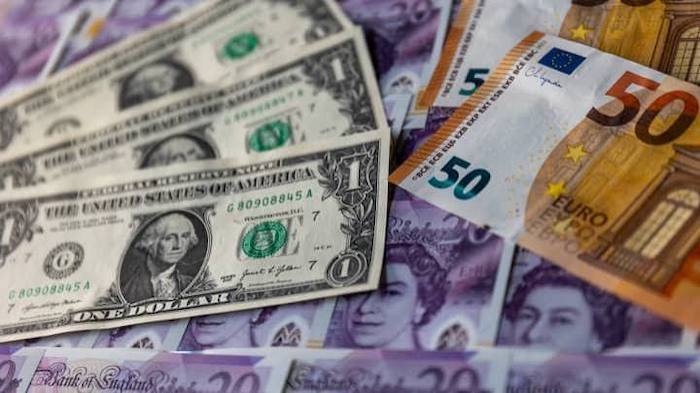
The British pound strengthened against the US dollar on Wednesday, hovering near the 1.34 level during the London trading session, as weaker-than-expected US inflation data weighed on the Greenback while expectations of tighter monetary policy by the Bank of England (BoE) continued to support Sterling.
The US dollar came under pressure after the latest Consumer Price Index (CPI) report showed inflation eased to 3.5% year-on-year in June, down from May’s three-year high of 4.2% and below market expectations of 3.8%.
On a monthly basis, headline CPI declined by 0.4% in June, reversing the 0.5% increase recorded in May, reinforcing expectations that inflationary pressures in the United States are easing.
Sterling also drew support from growing concerns that rising energy prices, fuelled by escalating tensions in the Middle East, could keep inflation elevated in the United Kingdom and prompt the Bank of England to maintain a hawkish stance.
Markets are increasingly pricing in two BoE interest rate hikes in 2026, with a September rate increase already reflected in market expectations.
The BoE remains one of the more aggressive central banks among the G7 economies, keeping its key policy rate unchanged at 3.75%.
UK inflation remains above 3%, with persistent price pressures driven largely by higher energy costs and rising service-sector prices. Analysts say the combination of stubborn inflation and a relatively high policy rate continues to provide a solid foundation for the British pound against its major global peers.
The UK economy has also remained relatively resilient, with annual economic growth holding within a range of 1.0% to 1.2%.
Despite the dollar’s recent weakness, analysts expect losses in the US currency to remain limited as renewed geopolitical tensions continue to boost demand for safe-haven assets.
Escalating tensions involving the US and Iran, particularly around the Strait of Hormuz, have pushed oil prices higher, raising concerns that renewed energy-driven inflation could delay interest rate cuts or even force further tightening by the US Federal Reserve.
According to the CME FedWatch Tool, financial markets are now pricing in roughly a 50% probability that the Federal Reserve could raise interest rates in September.
The combination of a softer US inflation outlook, expectations of tighter UK monetary policy, and heightened geopolitical risks continues to shape currency market sentiment, supporting Sterling while limiting the downside for the US dollar.
Boluwatife Enome