Screenshot
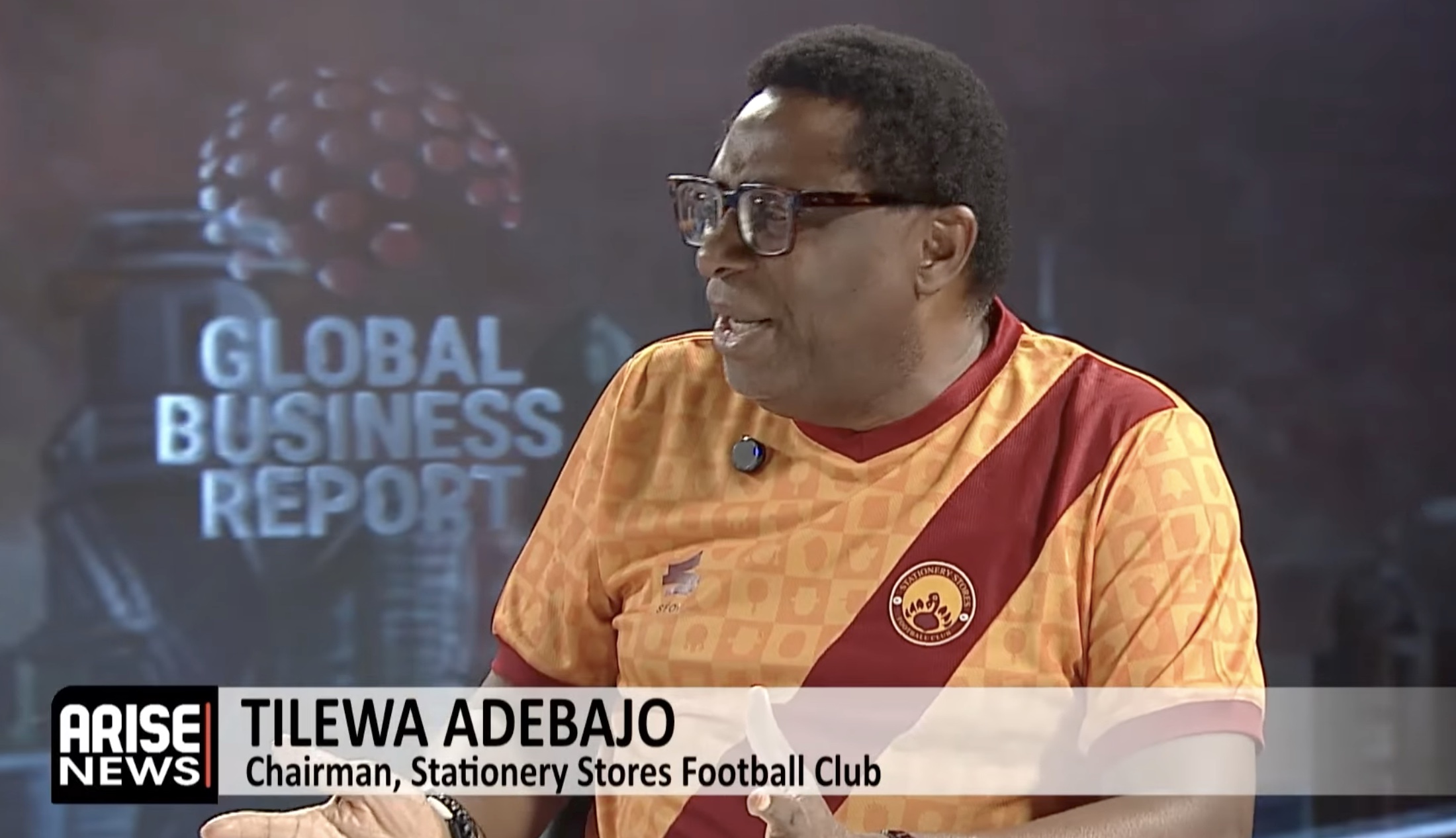
Chairman of Stationery Stores Football Club, Tilewa Adebajo, has described FIFA’s proposed investment structure as “dead on arrival,” arguing that improving football governance, rather than attracting external investors, should be the governing body’s priority.
Speaking during an interview with ARISE NEWS on Friday, Adebajo described FIFA’s investment proposal as “dead on arrival,” saying it reflects deeper governance concerns. He argued that the initiative contradicts FIFA’s statutes as a not-for-profit organisation and questioned both the transparency of the investor selection process and the rationale behind it.
Reacting to FIFA’s proposed investment plan, Adebajo described the initiative as “dead on arrival,” arguing that football needs better governance before pursuing external investment.
“First of all, I think it is flawed and it’s dead on arrival. FIFA is a regulatory body. It’s a not-for-profit organisation, and it benefits from massive tax breaks.”
Questioning the rationale behind FIFA’s proposed investment plan, Adebajo said the governing body’s substantial profits from the recent World Cup demonstrate that it has no need for external investors.
“FIFA generated substantial profits from the recent World Cup, so there is no need for external investment.”
Discussing FIFA’s finances, he said:
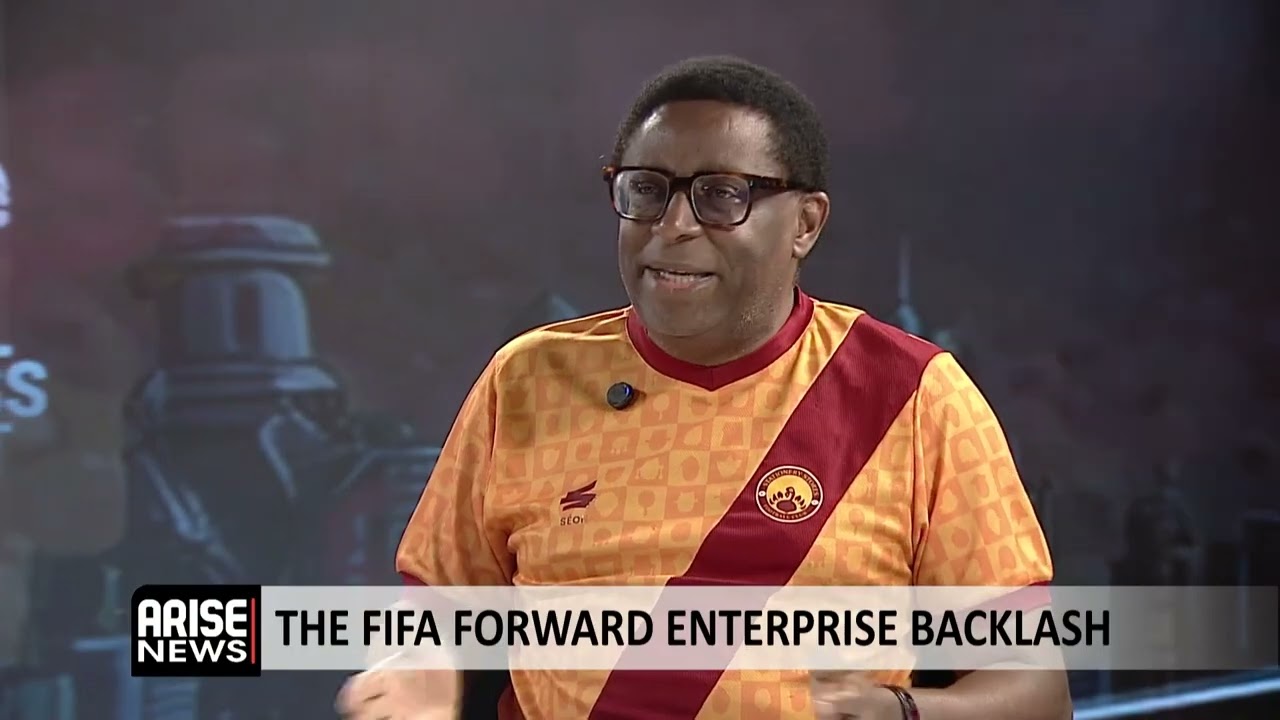
“FIFA made $15 billion on this World Cup. Their cost was $4 billion, so FIFA is sitting on an $11 billion surplus. FIFA doesn’t really need any investors because it is a self-financing organisation.”
On FIFA’s proposed financial incentives, Adebajo questioned the value of the initiative, arguing that the payments would be insignificant compared with the existing revenues of major football associations and clubs.
“The proposed financial incentives would be insignificant compared with the existing revenues of major football associations and clubs.”
Speaking on the proposed payouts, Adebajo said:
“The English Premier League is turning over £8 billion a year. What does it want to do with $20 million? It doesn’t make sense.”
Addressing the proposed valuation of the investment, Adebajo described the structure as poor value for FIFA.
“You put a valuation of $20 billion on the World Cup tournament and somebody wants to come in and take 20% of that. It’s a rip-off, and it’s not necessary.”
Speaking on opposition from football’s governing bodies, Adebajo noted that several major confederations had already rejected the proposal.
“UEFA, CONCACAF and the Asian Football Federation have all come out against it.”
Assessing the recently expanded FIFA World Cup, Adebajo praised the tournament’s competitiveness and entertainment value, saying the quality of football continues to improve globally.
“The World Cup was entertaining. There are no minnows anymore in football. There were no easy games. That’s what football is all about.”
On investment in Nigeria’s sports sector, Adebajo said poor governance and vested interests among administrators remain major obstacles, despite the country’s significant commercial potential.
“Poor governance and self-interest among administrators continue to discourage investment in sports, despite Nigeria’s strong commercial potential.”
Speaking on sports development in Nigeria, he said:
“We’re not serious yet about sports in Nigeria because the administrators are all about their self-interest. They’re never about the interest of the sport.”
On funding for Nigerian football, Adebajo said the country has sufficient private-sector capital to transform the domestic game, provided the sport is managed transparently.
“Nigeria has enough private-sector capital to transform domestic football if the sport is managed transparently.”
Discussing investment opportunities, Adebajo said:
“The banks can sponsor football. The oil and gas companies have the money to sponsor football. The FinTechs have the money to sponsor a proper Nigerian football league.”
On the challenges facing Nigerian football, Adebajo said fragmented administration and the collapse of grassroots competitions have undermined the country’s football standards.
“Fragmented football administration and the collapse of grassroots competitions have contributed to Nigeria’s declining football standards.”
Speaking on football governance, he said:
“We have this dual structure of managing football, and that is what is holding football back.”
He further warned that the country’s unregulated football academy system has exposed young players to exploitation rather than development.
“Every Tom, Dick and Harry has an academy that is unregulated. It has become modern slavery and human trafficking.”
Concluding, Adebajo cautioned against further expanding the FIFA World Cup, warning that excessive expansion could reduce the quality of the tournament and place greater physical demands on players.
“We have to be careful with this expansion because you defeat the quality and put pressure on the players. They need to rethink it so they don’t water it down.”
Goodness Anunobi