Borno Cholera Outbreak: 35,000+ recorded as MSF Expands Response, Health Facilities Under Pressure
A worsening cholera outbreak in Borno State has left thousands of residents affected, with health facilities struggling to cope as cases continue to rise across the northeastern state. The surge has been linked to overcrowded settlements, limited access to clean water, poor sanitation and inadequate waste management. According to the Borno State Ministry of Health, …
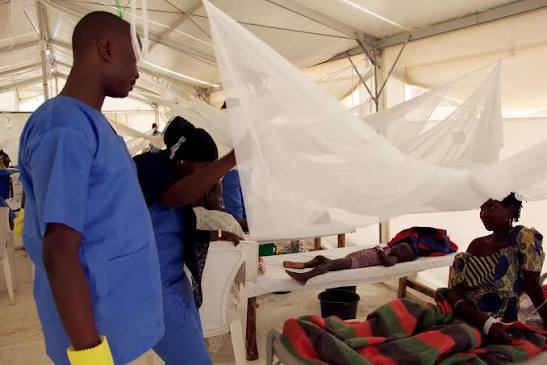
A worsening cholera outbreak in Borno State has left thousands of residents affected, with health facilities struggling to cope as cases continue to rise across the northeastern state.
The surge has been linked to overcrowded settlements, limited access to clean water, poor sanitation and inadequate waste management.
According to the Borno State Ministry of Health, more than 35,500 suspected cholera cases and 198 deaths had been recorded as of July 12.
Médecins Sans Frontières (MSF), in collaboration with health authorities and humanitarian partners, has expanded its response by supporting two Cholera Treatment Centres, five Cholera Treatment Units and 17 oral rehydration points across Borno.
The organisation said it has treated more than 24,000 patients since responding to the outbreak, with over a quarter arriving with severe symptoms.
MSF Project Medical Coordinator in Maiduguri, Bienfait Tombola, said the response has been scaled up significantly, but the spread of the disease remains ahead of containment efforts due to persistent challenges with access to clean water, sanitation and healthcare.
Beyond treatment, MSF has intensified community awareness campaigns to educate residents on prevention and transmission, while supporting infection control measures, healthcare worker training and water sanitation efforts.
A vaccination campaign conducted in early July with support from MSF and health authorities reached more than 2.6 million people.
However, health experts warn that communities without adequate water, sanitation facilities and medical access remain vulnerable, allowing transmission to continue.
The outbreak has also extended beyond Borno, with neighbouring Plateau State reporting 102 suspected cases as of July 12.
Authorities and humanitarian organisations say expanding vaccination, improving sanitation, increasing disease surveillance and ensuring timely treatment remain critical to preventing further spread and loss of lives.