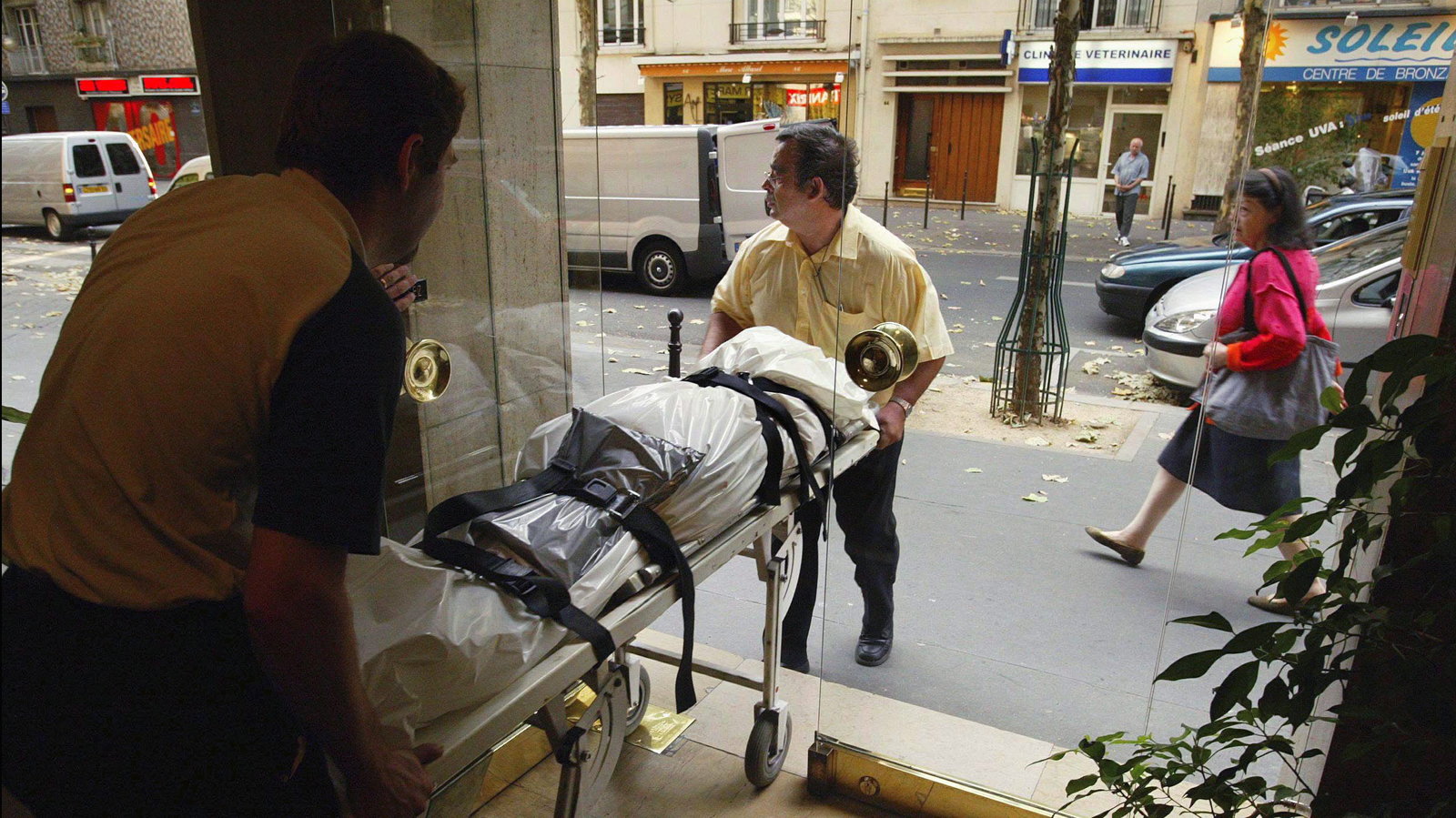
A severe heatwave sweeping across Europe has claimed at least 18 lives in France, including two young children who were left in a hot car, while temperatures surged to record levels in several cities.
The extreme weather forced schools across parts of France to close or adjust schedules, while forecasters in the UK warned that temperatures could break longstanding June records later this week.
In Bordeaux, located in France’s western wine producing region, temperatures climbed to 41.9 degrees Celsius, surpassing the previous record set in August last year. The central French city of Poitiers recorded 41.2 degrees Celsius, exceeding a temperature mark that had stood since 1947.
In Spain, the northern coastal city of San Sebastian was expected to reach 40 degrees Celsius, more than double its historic average for June 22, according to the Reuters Climate Monitor. The monitor showed Europe experiencing the greatest deviation from historical temperature norms among all continents on Monday.
An April report by the World Meteorological Organization found that Europe is warming at more than twice the global average rate.
Among the fatalities were two children aged two and four who were found unconscious inside their family’s car outside their home in southeastern France. A prosecutor in Carpentras said emergency responders were unable to revive them.
The heatwave also contributed to the deaths of three elderly people aged between 80 and 95 in the Bordeaux region over the weekend, according to local government official Sophie Brocas.
French Civil Safety service spokesperson Jerome Boulanger urged caution around water after authorities reported 13 drowning deaths between Sunday and Monday.
“Swim only in places that are supervised,” Boulanger said.
Authorities noted that drowning deaths rose by 172 per cent during heatwaves in France last year as people sought relief from extreme temperatures.
Climate experts say the current weather pattern is known as an Omega block, named after the Greek letter because of the shape it forms in the atmosphere.
Clair Barnes, a research associate in extreme weather and climate at Imperial College London, said the phenomenon traps a large mass of hot air over Europe while cooler air remains on either side.
“It’s drawing warm air up from North Africa, from the Sahara, and that’s why we have this really intense heat. It’s very slow moving and it means there’s kind of no wind, no breeze for respite,” she said.
Barnes added that climate change is making both heatwaves and storms more intense, increasing temperatures and generating heavier rainfall.
In the UK, the national weather forecaster said temperatures could exceed 39 degrees Celsius during a four day heatwave, surpassing the June record of 35.6 degrees Celsius set in 1957 and matched in 1976. The country had already recorded its hottest May temperature only weeks earlier.
“Thirty-six degrees is going to be disgusting,” said data scientist Lewis Jennings while walking through central London.
Paris was also on track to record its hottest June day, with preliminary figures from Meteo France showing temperatures reaching 38.4 degrees Celsius.
Spain’s weather agency spokesperson Rubén del Campo said the heat was significantly above seasonal norms.
“We are seeing temperatures between 5 and 10 degrees above normal for this time of year, and in some northern areas even more than 10 degrees above average,” he said.
Faridah Abdulkadiri