Happiness has become a commodity and not simply a feeling. It is now a managed, measured and marketed moment that is photographed, posted, captioned and audited by a timeline audience.
Joy has become a performance, said Anne-Mari Viviers of Heavenly Healing. Sunny dispositions and easy-looking relationships are the order of the day. Publicly, the only people with dirty laundry seem to be politicians and naughty celebrities. Everyone else edits it out of existence.
Real life, unfortunately, remains attached to reality. Research into social media and self-presentation has found that people often build an online version of themselves that reflects the ideal self rather than the real one. It is not always dishonest, but it is selective. Repeated often enough, curated versions of life can begin to feel like the standard everyone else is somehow meeting, except you, of course.
Viviers said overly curated living is not just a digital habit. It is turning up in counselling and healing spaces disguised as other problems. “Many clients don’t walk in saying, ‘I’ve lost myself’. They come in with anxiety, burnout, low self-esteem, relationship struggles, or a feeling that something is missing, even though from the outside their lives look successful and happy.” Beneath the anxiety and emotional fatigue, she said, there is often a more uncomfortable discovery lying in wait. “Oftentimes, people have spent so much time being who they think they should be that they’ve lost touch with who they actually are. They’re managing expectations, maintaining appearances, and trying to meet standards set by family, society, or social media.”
Too many expectations to manage
Keeping up with the Joneses is not exactly a new notion. Social media made comparison portable.” It no longer lives next door behind a white picket fence or across the road in a newer model SUV,” said Viviers. “It lives in a pocket and travels everywhere.”
Researchers have found that people cannot help but compare themselves with people they perceive as more successful, attractive or accomplished.” A person may understand perfectly well that social media offers only snippets of reality yet still feel inadequate after scrolling through a steady stream of promotions, engagements, overseas holidays, fitness transformations and carefully framed family photographs,” she said and added that the consequences are obvious. “One of the biggest changes I’ve noticed is the increase in comparison-based anxiety. People begin to feel as though they’re falling behind.”
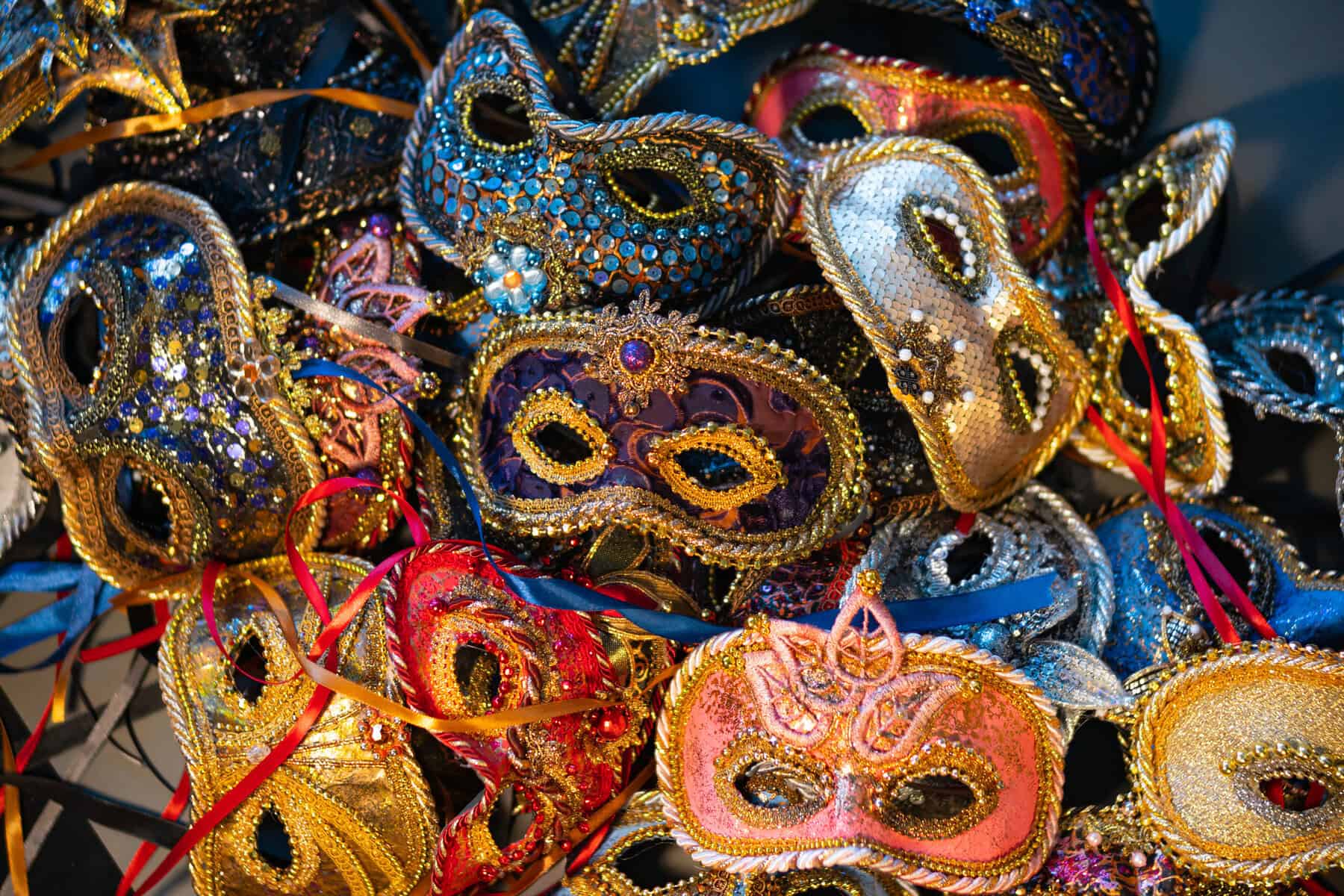
It can be a perilous precipice when it comes to self-confidence. “When there’s a significant gap between our authentic self and the image we’re presenting, it can create a sense of internal tension,” she said. “People often describe it as feeling exhausted, stuck, restless, or disconnected without fully understanding why. It’s a bit like carrying around a mask all day. Eventually, even if the mask is beautiful, it becomes heavy.”
A mask can get heavy
The social validation economy built into most platforms doesn’t help either. Likes, comments and shares have transformed approval into a visible metric. Popularity can now be counted, measured and compared. “External validation can feel good, but it can never fully replace self-acceptance. If we don’t feel worthy within ourselves, no amount of approval from others will ever feel like enough,” Viviers noted. The pursuit of approval can also change the kind of questions people ask themselves. “Instead, we start asking, ‘Do they approve of me?’ instead of asking, ‘Does this feel true to me?’”
Ironically, even the current online pushback against perfection may not be entirely what it seems. Social media has become awash with vulnerability, confessions and raw honesty, well packaged, mind you. “Vulnerability has the power to reduce shame, create connection, and remind people that they are not alone.” She said that intention is key and added that the interesting paradox is that even authenticity can become performative. “We can end up curating vulnerability in the same way we curate happiness,” she said and added that it’s all best kept authentic, no matter how great the temptation to curate our own lives. “Real healing happens when we stop asking, ‘How will this look to other people?’ and start asking, ‘What is true for me?’” said Viviers.