Clashes intensified on Saturday after both sides exchanged fire near the Strait of Hormuz, a critical global shipping route, while intelligence reports suggested Iran could withstand sustained economic pressure even under a naval blockade scenario
Recent days have seen the most serious flare-ups since the ceasefire began a month ago, with renewed attacks reported around the Gulf and the United Arab Emirates also coming under fire.
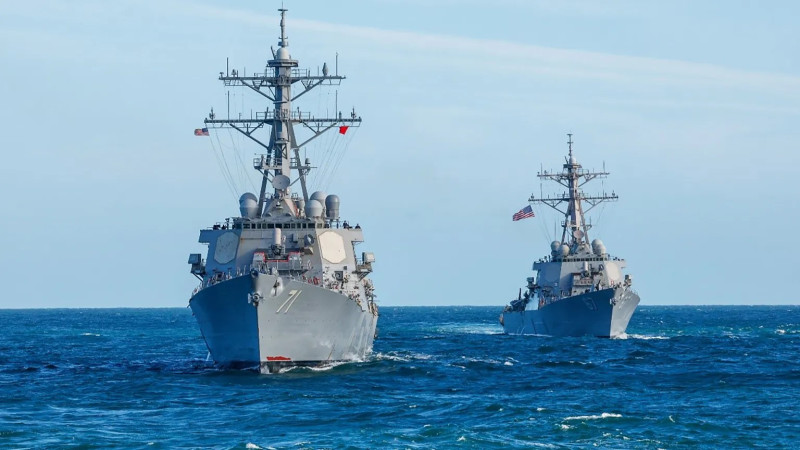
According to regional reports, sporadic exchanges continued between Iranian forces and US naval assets operating near the Strait of Hormuz. Iranian state linked outlets, including Fars News Agency, said the situation briefly intensified before calming, though officials warned that further confrontations remain possible.
The US military confirmed it struck two Iran-linked vessels attempting to approach an Iranian port, saying a fighter jet targeted their smokestacks and forced them to retreat.
Iran has significantly disrupted non-Iranian commercial shipping through the Strait of Hormuz since the conflict began with US-Israeli airstrikes on Iran on February 28. The waterway, which normally carries around one-fifth of global oil supplies, remains a major flashpoint.
A US intelligence assessment, quoted by officials, suggested Iran could sustain resistance to a naval blockade for several months, potentially limiting Washington’s leverage. A senior intelligence official dismissed aspects of the report as inaccurate.
The conflict also spilled into the Gulf states. The United Arab Emirates said its air defence systems intercepted two ballistic missiles and three drones launched from Iran, with at least three people injured in the incident.
Iran has repeatedly targeted Gulf states hosting US military facilities, and tensions have risen further following Washington’s announcement of “Project Freedom,” aimed at escorting commercial shipping through the Strait of Hormuz.
Iranian Foreign Minister Abbas Araqchi accused the United States of undermining diplomacy, saying military action was repeatedly chosen over negotiations. Iran’s Mehr News Agency also reported casualties following a US strike on an Iranian commercial vessel, though the claims have not been independently verified.
The United States, meanwhile, has struggled to rally broad international backing for its approach. Washington has urged allies, including Italy, to support efforts to secure maritime routes, warning of global consequences if Iran maintains influence over the strategic waterway.
Alongside military pressure, the US has intensified economic sanctions. The Treasury Department announced new measures targeting individuals and firms in China and Hong Kong accused of assisting Iran’s weapons procurement network, particularly related to drone production.
As both sides trade accusations and strikes continue, diplomatic efforts remain stalled, with the ceasefire increasingly fragile and the risk of wider confrontation in the Gulf still looming.
Goodness Anunobi