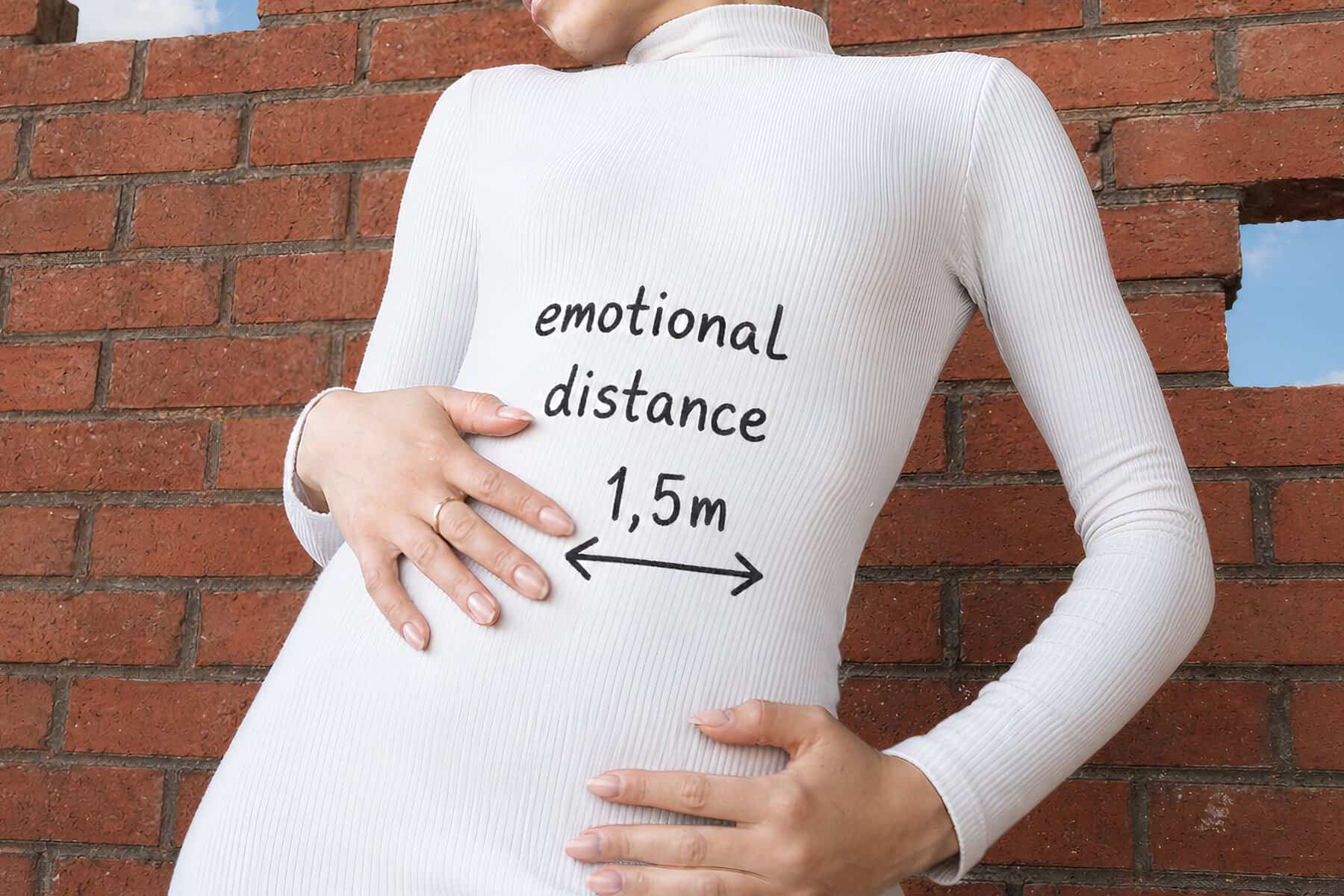
Emotional availability used to be the bonus on top of good looks, a job, a personality of some sort and a measure of intelligence. But the check box for relationship measures has changed. Now, it’s about showing up emotionally. But few people actually do.
Social worker Ingrid Pollak said that it’s a growing phenomenon, and while people talk about connection ad nauseam sometimes, many of us are still operating at a surface level. And there are some solid reasons why.
Pollak answers these questions on the topic:
Are you seeing a noticeable change in how people define attraction and connection today?
Yes. Attraction and connection today, in my opinion, is about physical attractiveness, and connection is having something in common, like playing a sport, gaming or similar studies.
Emotional unavailability is often linked to trauma or upbringing?
It seems people have chosen to have casual, easy, surface-level relationships. It’s too much mental, emotional and psychological work to invest in a relationship when there are so many people and options to choose from. This leads to short-term, superficial relationships. People and relationships have become a commodity. If a person or the relationship doesn’t meet one’s needs on their terms and to their convenience, next.
Many people struggle with vulnerability. What are the most common barriers you see preventing people from being emotionally open?
Fear of rejection, the dread that being real leads to being disliked. The weakness myth, viewing emotions as a lack of self-control or grit. Past trauma, where opening up resulted in betrayal or hurt. Perfectionism, the need to appear flawless. Shame, a deep-seated feeling that one’s true self is fundamentally flawed. Social conditioning, where people are discouraged from expressing softer emotions.
How does emotional safety, or lack thereof, affect individuals in long-term relationships or family dynamics?
When this safety is missing, the relationship shifts from a place of connection to a place of survival. In long-term relationships, a lack of emotional safety leads to a state of chronic hypervigilance, where the nervous system is constantly scanning for signs of judgment or withdrawal.
Walking on eggshells. The silent room effect, where a person withdraws emotionally, leading to loneliness even when physically together. The body experiences it as stress, which over time can lead to elevated cortisol, cardiovascular risk and disrupted sleep. Loss of self, where people lose touch with their own needs and feelings because expressing them feels too risky or pointless.
Within a family, the emotional climate acts as a blueprint for children. Emotional dysregulation, where children struggle to manage their feelings. Attachment issues, where it becomes difficult to trust others as adults. Cognitive stunting, survival mode limits learning and problem-solving. Internalised shame, where children learn their inner world is wrong or unacceptable.
When safety is present, it allows for true repair. Conflict is not threatening because the bond is secure. It creates resilience, where people can take risks in the outside world because they have a secure base to return to.

In communities where survival stress is high, how realistic is the expectation of emotional availability in relationships?
It isn’t realistic although it can be done provided the individual has a high EQ. Emotional availability takes effort, presence and skill which most people living in survival mode do not have the capacity to engage in, because they are working to survive and provide for their immediate and often extended families.
Are younger generations better equipped emotionally than older ones, or are they just more aware of the language around it?
I don’t think so. In the age of scroll, add to cart, pay and delivery next day, emotion is a word which is often used in pop psychology and most people are disconnected from their emotions and physical sensations. Ask someone how they are feeling today, and they will reply fine. Ask them what the emotion behind the word fine, and they will look at you with a blank stare. There is a notable difference between a feeling and an emotion. I’m feeling heavy in my body, the emotion behind that feeling could be sadness.
How can people become more emotionally available, especially if they’ve never had healthy models of communication?
Make an appointment with a counsellor or psychotherapist, provided one has the funds to learn the skills of becoming more emotionally available. If there are no funds, South Africa is rich in resources. One can reach out to LifeLine, speak to your local church counsellor or speak to lay counsellors who have done a short course in counselling and have possibly learned skills they can impart.