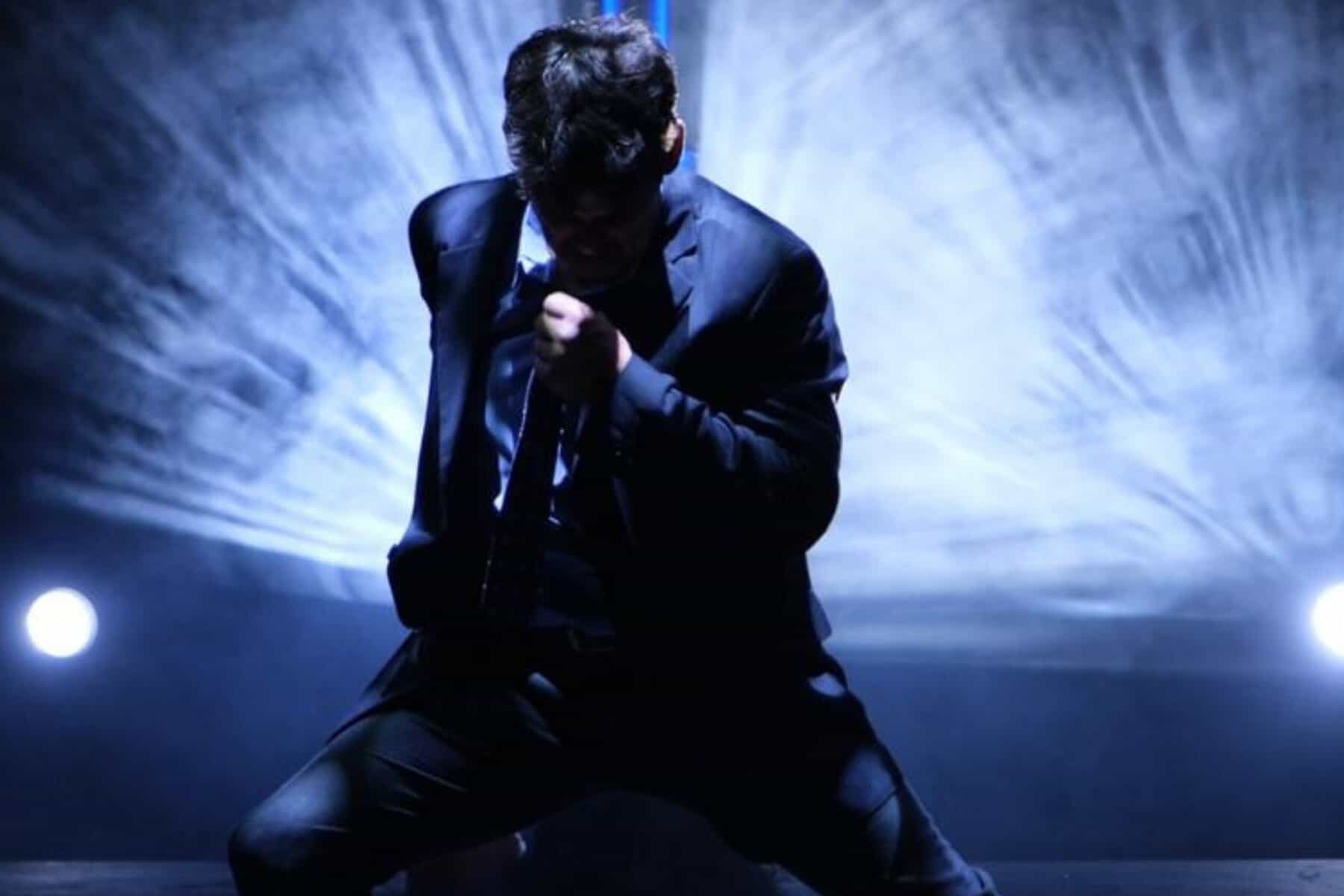
At some point in all of our lives, we have questioned whether there’s any point in continuing on a particular path. Sometimes, life just seems to come up empty-handed and offers up bugger-all. And this is Elvis du Pisanie’s existential dichotomy: there’s a bit of him in all of us.
Ashley Dowds becomes the man and the questions in The Return of Elvis du Pisanie, on now at Theatre on the Square in Sandton until 3 May. It’s a reprise of the role for him, and a character he has made his own after writer and performer Paul Slabolepszy first created and played du Pisanie.
First staged in 1992, the play follows Eddie du Pisanie, a 46-year-old East Rand salesman who finds himself retrenched and staring into the kind of void that does not come with easy answers. Dowds was under no illusion about the weight of taking on a role so closely associated with its creator, but he said the intention was clear from the beginning. “How do I not do Paul Slab as Eddie du Pisanie?” he said. “Paul insisted on the creative exploration of the character, not imitation.” What remained fixed, he noted, was “the music of the text”, the pace and rhythm that carry Eddie’s story and give it its structure.
The music of the text carries Eddie’s story
Eddie’s journey is set in motion by an Elvis Presley song, a moment that pulls him back into fragments of his past. Dowds said those flashes are where the character comes alive. “When Eddie’s memory flashes illuminate the darkness, it is a fillip to the way his story begins to change,” he shared, recalling how his own grandmother would relive moments from decades earlier with startling clarity and joy.
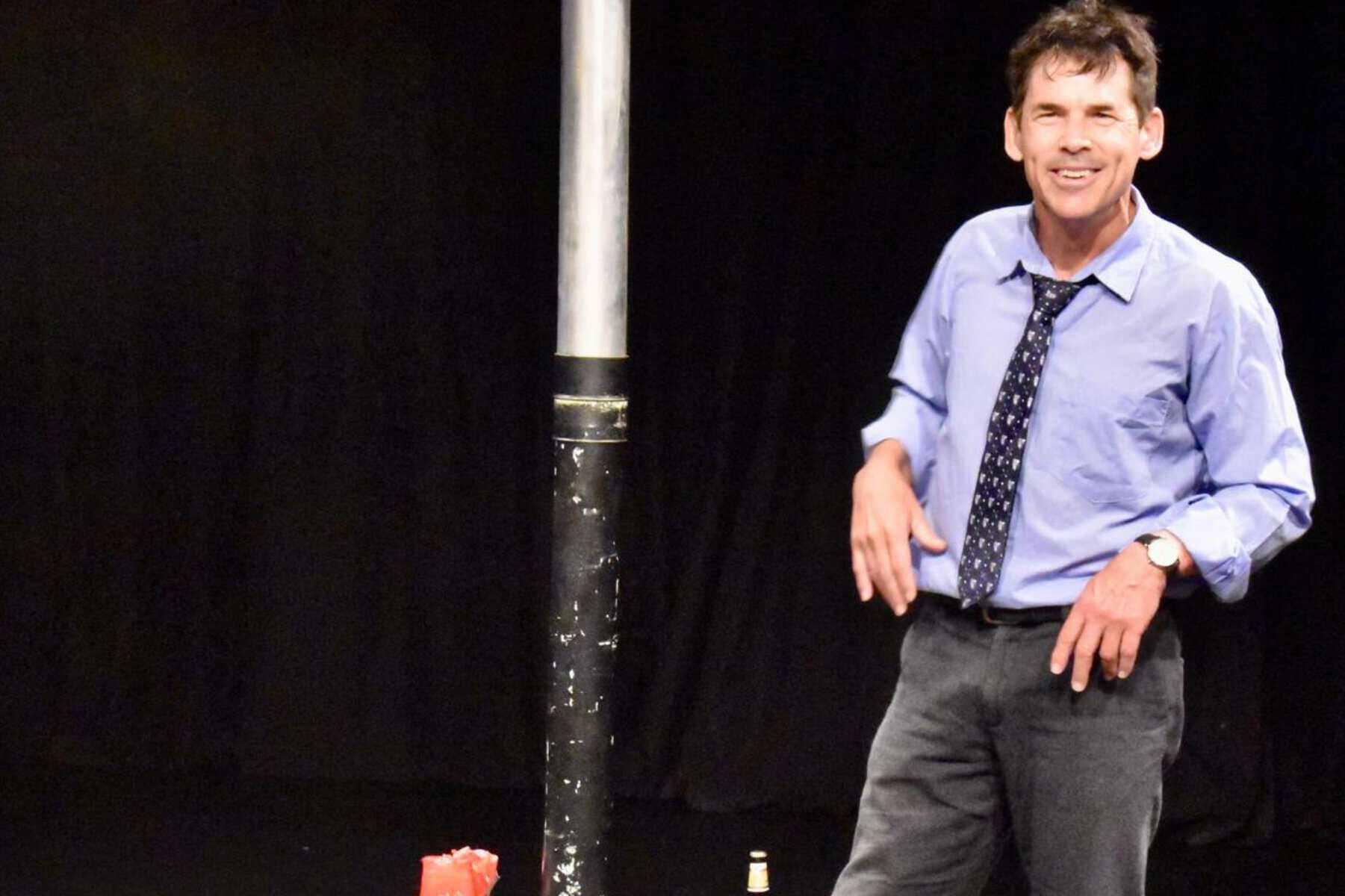
But memory is not always reliable. It reshapes itself, sometimes revealing, sometimes concealing. “He discovers the truth of an event as he recalls it sometimes,” Dowds said. “At other times, he shapes his story as he has crafted it over the years.” It leaves Eddie suspended between what happened and what he believes happened, forced to confront both versions as they surface.
There is a strong sense of geography in Eddie’s story, the East Rand, the language, the detail of a particular South African upbringing, but Dowds said the reach of the character goes beyond that. “Without a doubt, the central story is universal,” he said. “The language he speaks is a South African one though.” It is that combination that allows the audience to recognise something of themselves in him, even if the setting is far removed from their own.
Universal theme, innately Mzansi
Music becomes more than just a reference. “We’re framed by language,” Dowds said. “Sound, especially music, can move us in ways that are inexplicable because it is not expressed in words.” In Eddie’s case, that moment becomes something he cannot ignore, drawing him toward a confrontation he believes is inevitable.
Dowds said Eddie does not start with clarity about what he is looking for. “As he arrives at the moment of truth, he has to make a choice – either back off or jump,” he said.
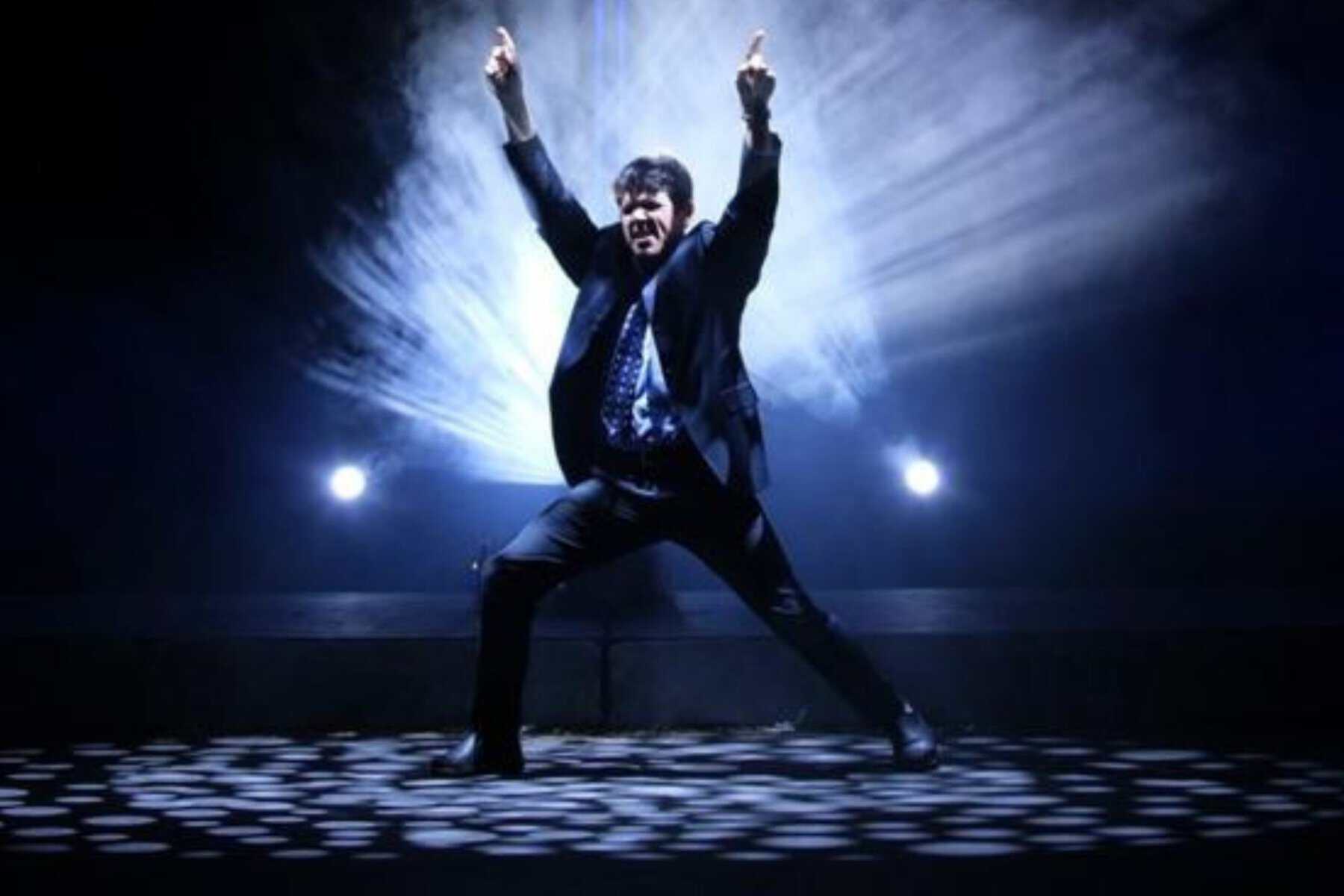
The Return of Elvis du Pisanie is a one-man show, and Dowds said going it alone on stage is a sustained physical and vocal effort, layered with the emotional weight of the material. “The huge responsibility is sustaining the physical and vocal level that it needs,” he noted, adding that staying well outside of the performance becomes part of maintaining it over time.
Powerful solo show
Dowds said there are subtleties in the story, particularly in how Eddie understands himself as a man. His sense of masculinity is shaped by what he witnessed growing up, from a father marked by war to figures in his community who left their own impressions. “There is a truth that emerges about how he has been affected by them,” Dowds said.
Although the play takes place in a different era, a world without cell phones and shaped by different references, Dowds said its message still holds. “We also seem to be no closer to an understanding of healthy family environments,” he said.
Dowds said the connection to the character runs deeper than the performance itself. “That’s the joy of being with Eddie,” he said. “I love his soul.”