Lagos State Commissioner for Environment and Water Resources, Tokunbo Wahab, has blamed persistent flooding in parts of the state on years of illegal development on wetlands and floodplains, saying human activities have compounded the natural vulnerability of Nigeria’s commercial capital to heavy rainfall and rising sea levels.
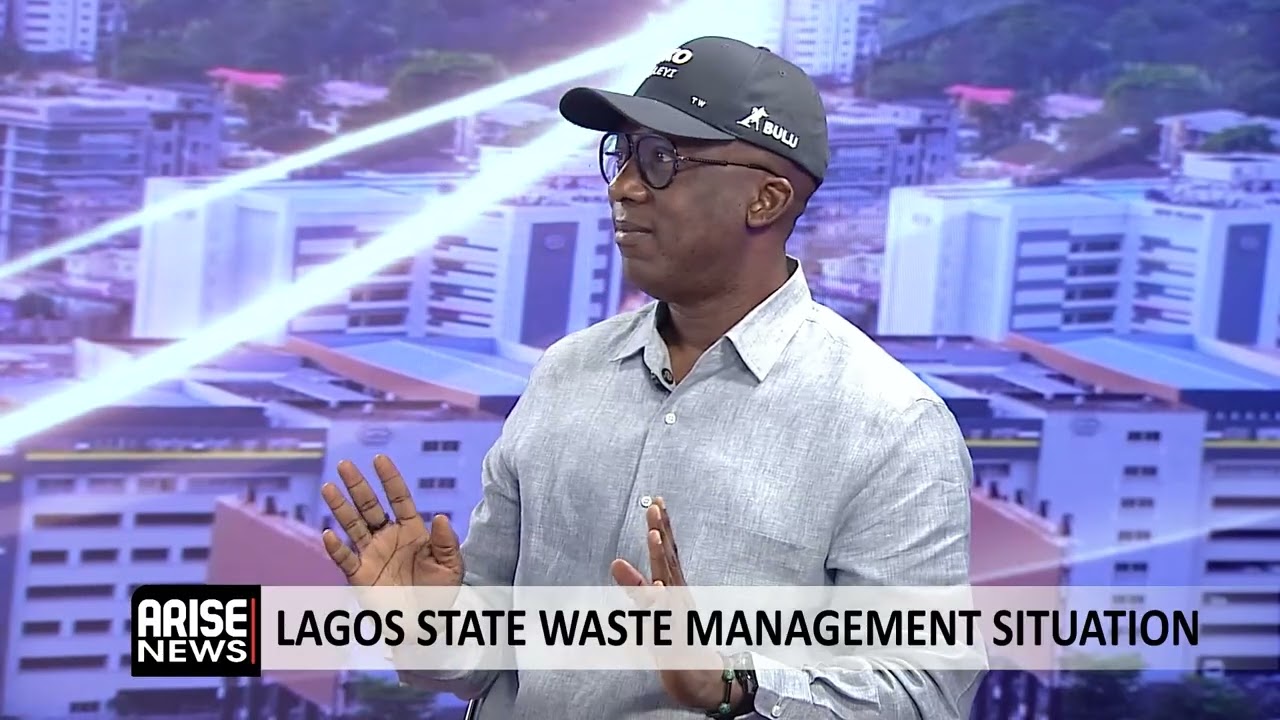
Speaking in an interview with ARISE NEWS on Friday, Wahab explained the concerns regarding over flooding following heavy rains across Lagos and forecasts by the Nigerian Meteorological Agency (NiMet) and global climate agencies warning of increased rainfall this year. Lagos, a low-lying coastal city bordered by the Atlantic Ocean and an extensive network of lagoons, has for years battled seasonal flooding, with authorities attributing the challenge to climate change, rapid urbanisation, blocked drainage channels and indiscriminate development.
“People were building on wetland, people were deliberately building on floodplains, people chose to wilfully also disregard town planning laws.”
He said the state government’s assessment after he assumed office showed that several natural waterways and drainage channels had been encroached upon or completely obstructed by developers. “We chose those channels, and we found that. one of them was a natural stream, natural stream, and it was obliterated by some developers, with connivance of some moneyless.”
Wahab emphasised that one of the affected drainage systems, which runs from the Coastal Road through Orchid Road and the Conservation area into the Lagos Lagoon. “We said, we have to remove all these contraventions. It was a tough decision to be made… without doing this, we’re just wasting our time. And we removed those contraventions.”
According to the commissioner, the government subsequently reconstructed the drainage infrastructure to restore the natural flow of stormwater into the lagoon. “After removing them, we also ensured we put in place the trapezoidal that would convey water into the Lagos Lagoon.”
Wahab said the interventions had begun yielding results, insisting that flooding incidents had reduced compared with previous years. “By 2024, the incidence of flooding, we noticed, are steadily reducing.”
He, however, acknowledged that residents should not expect flooding to disappear entirely, saying the government’s objective was to minimise its impact rather than promise an unrealistic solution. “I would claim to the Gallery if I say to you today that I can assure you that there won’t be flash flooding or flooding in Lagos. No, it will never. But we can mitigate incidents of flash flooding.”
Wahab also warned developers against further encroachment on wetlands and land reclamation projects that fail to preserve natural drainage corridors. “You can’t create islands because you are going to create a crisis for the future.”
He urged property developers and landowners to comply with planning regulations, saying preserving setbacks and natural water channels remains critical to protecting Lagos from worsening flood risks. “When you sit and say you want to reclaim and create islands… and don’t want to keep a minimum of 150, 200, which is a setback. How will your stormwater discharge?”
Erizia Rubyjeana