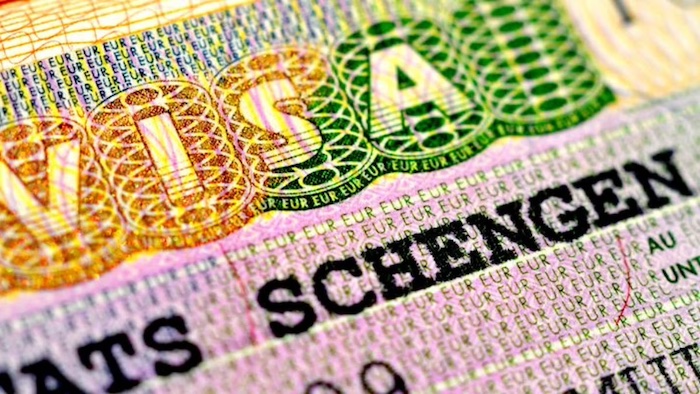
The US government has exempted football fans from 50 countries from a $15,000 visa deposit requirement if they are travelling to the country for the World Cup with valid match tickets.
The policy, introduced under President Donald Trump’s administration last year, was aimed at reducing visa overstays. Under the rule, travellers from affected countries were required to pay a refundable bond before entering the US.
Five of the affected countries; Algeria, Cape Verde, Ivory Coast, Senegal and Tunisia have qualified for the 2026 FIFA World Cup, which will be co-hosted by the US, Canada and Mexico from 11 June.
Assistant Secretary of State for Consular Affairs, Mora Namdar, confirmed the exemption in a statement to the BBC.
“We are waiving visa bonds for qualified fans who bought World Cup tickets,” Namdar said.
Players and coaches travelling for the tournament had already been exempt from the requirement, but ordinary fans with confirmed tickets were only included on Wednesday.
The 12-month pilot programme, launched last August, formed part of the administration’s broader immigration crackdown. According to the State Department, it was designed to address visa overstays and cases “where screening and vetting information is considered deficient”.
The visa bond would have been refunded after visitors completed their stay in the US.
World football governing body FIFA welcomed the announcement, describing it as part of ongoing cooperation with the White House.
In a statement, FIFA said the decision demonstrates the ongoing collaboration with the White House “to deliver a successful, record-breaking and unforgettable global event”.
“We are grateful to the Administration for the ongoing partnership.”
Despite the exemption for football fans, travellers from Iran and Haiti remain barred from entering the US, although players and coaches from those countries are still exempt for World Cup-related travel.
Travellers from Ivory Coast and Senegal also face partial restrictions under an expanded version of the travel ban.
The US government had earlier announced that tourists from dozens of countries could be asked to provide five years of social media history as part of visa applications, a policy that may affect World Cup visitors.
Rights groups have warned that the measures could expose travellers to denied entry, arrests, expanded restrictions, racial profiling and increased surveillance.
Faridah Abdulkadiri