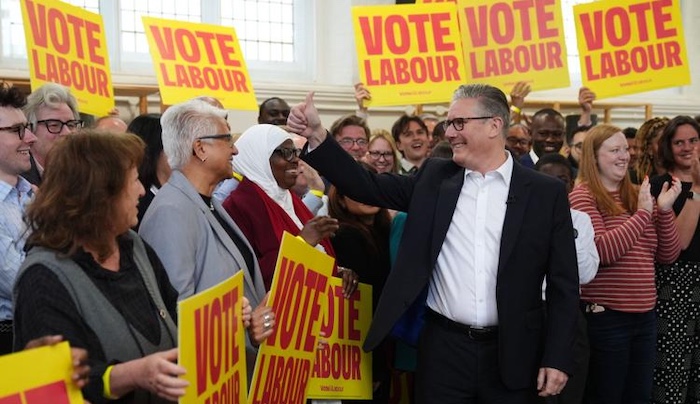
Millions of voters across Britain headed to the polls on Thursday in local and regional elections widely seen as a key test of Prime Minister Keir Starmer’s leadership less than two years after his landslide victory.
The elections cover nearly 5,000 council seats in England as well as parliamentary contests in Scotland and Wales, with opinion polls suggesting Labour and the Conservatives could suffer heavy losses to populist and nationalist rivals.
Nigel Farage’s Reform UK is expected to make significant gains in England and could emerge as a leading opposition force in Scotland and Wales against the Scottish National Party and Plaid Cymru. while the Greens are forecast to challenge Labour in several urban strongholds, including parts of London.
The anticipated losses have fuelled speculation over Starmer’s political future, with some Labour lawmakers reportedly considering moves to pressure him into setting out a timetable for his departure.
Starmer has vowed to continue fighting, arguing that Britain faces critical economic and political challenges linked to global conflicts and rising living costs.
“We can rise to this moment together become a stronger, more resilient and more united nation with opportunities for all or we can sink into the politics of grievance and division,” Starmer wrote in a weekend Substack post.
He also promised a more “active, interventionist government” following the elections, signalling another possible reset of his premiership.
The prime minister has spent recent weeks battling controversy surrounding the appointment of Labour veteran Peter Mandelson as Britain’s ambassador to the United States.
The row followed scrutiny over Mandelson’s past links to convicted US sex offender Jeffrey Epstein and business connections involving Russia and China. Mandelson was arrested in February on suspicion of misconduct in public office but has not been charged and denies wrongdoing.
Labour campaigners say voters have frequently expressed frustration with the government during campaigning, adding to pressure within the party
Despite growing criticism, replacing Starmer would be difficult. Potential successors, including Greater Manchester Mayor Andy Burnham and former Deputy Prime Minister Angela Rayner, are not currently positioned to launch leadership bids.
Former Labour deputy leader Tom Watson also warned party members against trying to force Starmer out, arguing such efforts would damage Labour further in the eyes of voters.
Goodness Anunobi